


Zhongya Technology Industry Ltd
Zhongya Technology Industry Ltd is a national high-tech enterprise integrating R & D, production, sales and service. It is also the most developed scale and competitive pvc coating (raincoat cloth) manufacturer in Jiangxi Province. Covering an area of 167 mu, construction area of more than 70000 square meters, total investment of nearly 200 million yuan: more than 300 employees, including 36 senior technical R & D personnel, more than 180 junior technicians and skilled workers; the company's production equipment and testing equipment are the latest introduction of first-class equipment at home and abroad.
Why Choose Us
Our Factory
Zhongya Technology Industry Ltd is a national high-tech enterprise integrating R & D, production, sales and service. It is also the most developed scale and competitive pvc coating (raincoat cloth) manufacturer in Jiangxi Province.
R&D Capability
The company has a number of high-tech product development team personnel, the team pays attention to product development and innovation, since 2016 to obtain national high-tech enterprises, 8 products won the national patent in 2017, 2 new products won the provincial excellent new product third prize, 2018 another 10 products won the national patent, PVC composite knitted fabric and PVC compound color Ding cloth obtained the Jiangxi province new product certificate.
Organizational Structure
The company has set up nine major departments: brand Trade Department. Technical research and development department, production and manufacturing department, quality inspection department, after-sales service department, warehousing and transportation department, raw material procurement department, human resources department, financial supervision department, integrated office, reasonable organization, suitable for immediate needs.
Industry Status
Covering an area of 167 mu, construction area of more than 70000 square meters, total investment of nearly 200 million yuan: more than 300 employees, including 36 senior technical R & D personnel, more than 180 junior technicians and skilled workers; the company's production equipment and testing equipment are the latest introduction of first-class equipment at home and abroad.


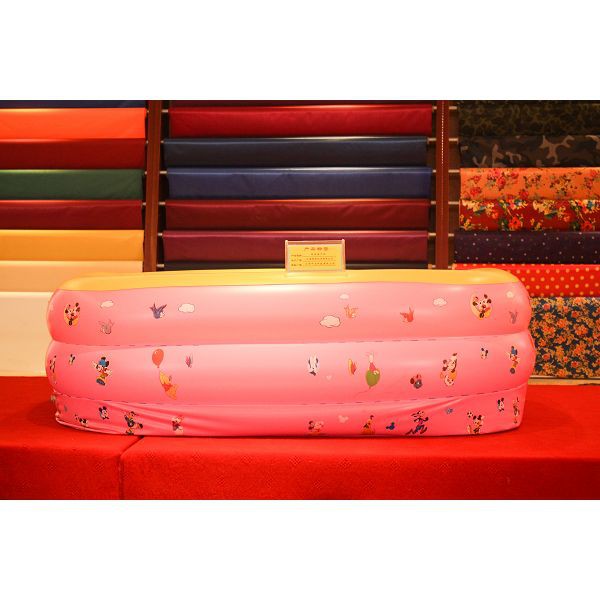
What is PVC Polyester Fabric
PVC Polyester Fabric is a versatile composite material. It combines the durability of PVC with the high strength of polyester fiber. This makes it suitable for various industrial and consumer applications. PVC is durable and water-resistant. It's commonly used in manufacturing plastic products. It resists corrosion, abrasion, and weather. Polyester fiber is a strong synthetic fiber. It's wrinkle-resistant and retains its shape. It's widely used in textiles and apparel manufacturing. PVC provides superior abrasion resistance and weatherability. Polyester fiber enhances the material's strength and elasticity. The waterproof properties of PVC make this composite material excel in outdoor applications. The stain resistance of polyester fiber makes PVC Polyester Fabric easy to clean and maintain. The combination of these characteristics makes PVC Polyester Fabric popular in outdoor and high-wear environments.
Advantages of PVC Polyester Fabric
Durability: PVC polyester fabric is a strong and durable synthetic material that can withstand wear and tear, making it ideal for use in products that will be subjected to daily use or harsh environments. This means that PVC polyester fabric will last longer and require less maintenance compared to other types of fabrics.
Water resistance: PVC polyester fabric is naturally water-resistant, and when combined with a PVC coating, it becomes completely waterproof. This makes PVC polyester fabric ideal for outdoor products such as tents, backpacks, and luggage, as they will protect the contents from rain and moisture.
Uv resistance: PVC polyester fabric is also resistant to uv radiation, which can cause other types of fabrics to fade or weaken over time. This means that PVC polyester fabric will retain their color and strength even when exposed to sunlight for extended periods.
Lightweight: PVC polyester fabric is a lightweight material, which makes it ideal for use in products that need to be carried or transported. PVC polyester fabric are also easy to pack and store, making them a popular choice for outdoor enthusiasts and travelers.
Based on PVC Polyester Fabric Coating Type
Single-Coated PVC Fabric refers to a type of fabric that has a single layer of PVC (Polyvinyl Chloride) coating on one side. The PVC coating provides a number of benefits to the fabric, including increased durability, water resistance, and UV resistance. The fabric is commonly used in the production of outdoor gear, such as tents and awnings, as well as industrial applications, such as protective covers for equipment and machinery.
One of the unique features of Single-Coated PVC Fabric is its ability to be customized with different textures and colors, depending on the specific needs of the application.
The single-coating process used to manufacture this fabric can be more cost-effective than other coating methods, such as double-coating or laminating. This can make Single-Coated PVC Fabric a more affordable option for manufacturers who need a high-quality, durable material for their products.
Double-coated PVC fabric is a specialized material that consists of a base fabric that is coated with PVC (polyvinyl chloride) on both sides. This process creates a highly durable and waterproof fabric that is ideal for a variety of outdoor applications.
The unique double-coated PVC construction provides an extra layer of protection against harsh weather conditions, making it an excellent choice for use in the manufacturing of tents, canopies, and other outdoor shelter products. Additionally, the fabric's high resistance to abrasion and tear makes it perfect for use in the creation of heavy-duty bags, tarps, and covers.
One of the key benefits of double-coated PVC fabric is its versatility. It can be manufactured in a wide range of colors and patterns, allowing it to be used for both practical and aesthetic purposes. Furthermore, the material is easy to clean and maintain, making it an excellent choice for products that are frequently exposed to dirt, grime, and other outdoor elements.
Laminated PVC fabric is a specialized type of fabric that is commonly used in the manufacturing of various outdoor products such as tents, tarps, and covers. This fabric is made by laminating multiple layers of PVC (polyvinyl chloride) material onto a base fabric. The base fabric can be made of various materials such as nylon, polyester, or cotton, and provides the fabric with additional strength and durability.
The laminating process involves applying heat and pressure to the PVC layers and the base fabric, which results in the creation of a strong and waterproof barrier. This barrier protects the contents of the product from the elements, making it ideal for use in outdoor applications.
One of the unique features of laminated PVC fabric is its ability to be customized with a variety of colors and patterns.
In addition to its durability and customization options, laminated PVC fabric is also known for its ease of cleaning and maintenance. It can be easily wiped clean with a damp cloth or washed with mild soap and water.
Applications of PVC Polyester Fabric in Outdoor Gear

Backpacks and Bags
PVC polyester fabric is commonly used in the manufacturing of backpacks and bags designed for outdoor activities. The fabric's durability and water resistance make it suitable for protecting the contents from moisture and harsh weather conditions. PVC polyester fabric ensures that the gear can withstand the demands of hiking, camping, and other outdoor adventures.
Tents and Shelters
PVC polyester fabric is an excellent choice for tent materials. It provides reliable water resistance, ensuring that the interior remains dry even during heavy rain. The fabric's durability helps the tent withstand wind, abrasion, and rough handling. PVC polyester fabric is also used in the construction of outdoor shelters, such as temporary awnings and canopies.
Outdoor Clothing
PVC polyester fabric finds application in outdoor clothing, including jackets, pants, and rain gear. The fabric's water resistance properties keep the wearer dry in wet conditions. It also offers wind resistance and enhances the garment's durability, making it suitable for activities like hiking, mountaineering, and skiing.
Protective Covers
PVC polyester fabric is used to manufacture protective covers for outdoor equipment and gear, such as vehicle covers, equipment storage covers, and boat covers. These covers offer protection against UV radiation, moisture, and other environmental elements, extending the lifespan of the equipment and ensuring its optimal performance.

● Cleaning Methods
When it comes to caring for PVC polyester fabric, regular cleaning is essential to maintain its appearance and functionality. Here are some cleaning methods you can use:
Spot Cleaning: For small stains or spills, gently blot the area with a clean cloth or sponge and mild detergent mixed with water. Avoid scrubbing, as it can damage the fabric.
Handwashing: If the entire fabric needs cleaning, fill a basin with lukewarm water and mild detergent. Gently agitate the fabric in the soapy water, then rinse thoroughly with clean water.
Machine Washing: Some PVC polyester fabrics are machine washable. Check the manufacturer's instructions to determine if this is an option. Use a gentle cycle and mild detergent, and avoid using fabric softeners or bleach.
Air Drying: After cleaning, allow the fabric to air dry completely. Avoid using a dryer or direct sunlight, as they can cause shrinkage or fading.
● Storage and Handling Tips
To ensure the longevity of PVC polyester fabric, proper storage and handling are crucial. Here are some tips to follow:
Fold and Store: When not in use, fold the fabric neatly and store it in a dry and well-ventilated area. Avoid folding it while damp, as this can lead to mildew growth.
Avoid Sharp Objects: Protect the fabric from sharp objects or rough surfaces that can cause punctures or tears. Store it away from any potential hazards.
Avoid Heavy Loads: Do not stack heavy items on top of the fabric, as it can lead to creasing and damage.
Regular Inspections: Periodically inspect the fabric for any signs of wear or damage. Promptly address any issues to prevent further deterioration.
PVC Polyester Fabric
PVC Polyester Fabric is a versatile material suitable for various permanent and temporary tensile fabric structures. Its key attributes include excellent strength, flexibility, translucency, and affordability. The fabric comes in different weights, tensile strengths, and coatings, providing a wide range of options for solar transmission and durability. For external applications where cost-effectiveness and moderate maintenance are essential, solid PVC coated polyester emerges as a popular choice. It also allows for printing, making it ideal for projects that involve demountable structures.
PTFE
PTFE (Teflon), in contrast, represents a unique fabric with exceptional durability and longevity. However, it cannot be printed on and is not suitable for temporary or demountable structures due to its fiberglass substrate. PTFE fabrics boast a low friction co-efficient and possess self-cleaning properties, requiring less frequent maintenance compared to PVC coated polyester. They are particularly well-suited for projects that demand a highly durable, long-lasting fabric with minimal upkeep requirements.
● Factors to Consider
Strength
PVC coated polyester exhibits moderate tensile strength when compared to PTFE/Glass. If your project requires high strength, PTFE might be the more suitable choice.
Durability
PTFE fabrics generally have a longer design life, ranging from 7 to 25 years, depending on the fabric grade. PVC coated polyester fabrics, on the other hand, offer a design life of approximately 5 to 20 years.
Solar Transmission
The solar transmission of PVC coated polyester varies depending on the grade and thickness of the fabric, ranging from 5% to 19%. PTFE fabrics provide superior solar transmission properties.
Maintenance
While PVC coated polyester necessitates regular cleaning, PTFE fabrics are self-cleaning due to their low friction co-efficient, reducing the frequency of maintenance tasks.
Printing
If your project requires printed designs on the fabric, PVC coated polyester is the suitable choice as PTFE cannot be printed on.
Choosing the appropriate fabric for your project hinges on several factors, including budget, durability, strength, and maintenance requirements. PVC coated polyester emerges as a cost-effective option, offering moderate strength and durability, which makes it suitable for both permanent and temporary structures. Conversely, PTFE provides exceptional durability and longevity but is not compatible with printing or temporary structures.
The Production Process of PVC Polyester Fabric
PVC Polyester Fabric is a durable and versatile material commonly used for outdoor applications such as truck covers, tents, awnings, and banners. The production of PVC polyester fabric involves several steps. Here is a general overview of the production process:
Raw Material Preparation: The production starts with the preparation of raw materials. PVC resin, plasticizers, stabilizers, and other additives are measured and mixed according to a specific formulation. The PVC resin acts as the base material, while plasticizers are added to increase flexibility, and stabilizers are incorporated to enhance the material's resistance to environmental factors.
Mixing: The measured raw materials are fed into a high-speed mixer or blender. The mixer ensures the thorough and homogenous dispersion of the additives within the PVC resin. This process is critical for achieving consistent material properties and performance.
Calendering: After mixing, the PVC compound is transferred to a calendering machine. The calendering process involves passing the PVC compound through a series of heated rollers. These rollers apply heat and pressure to the material, resulting in the desired thickness and surface texture. The calendering process also helps to align the PVC molecules, enhancing the material's strength and dimensional stability.
Coating: Once the PVC sheet is formed through calendering, it may undergo a coating process to improve its performance characteristics. The coating can involve applying additional layers of PVC or other specialized coatings to enhance properties such as water resistance, UV resistance, flame retardancy, or printability. The coating process is typically performed using specialized machines, such as knife-over-roll coaters or reverse roll coaters.
Cooling and Inspection: After coating, the PVC tarpaulin fabric is cooled down to set its properties and dimensions. It is then inspected for any defects or inconsistencies in thickness, color, or coating quality. Quality control measures are taken at this stage to ensure that the fabric meets the desired specifications and standards.
Finishing: The PVC tarpaulin fabric may undergo additional finishing processes depending on its intended application. This can include treatments such as flame retardant finishing, anti-microbial treatment, or the application of protective coatings for added durability.
Cutting and Packaging: The finished PVC tarpaulin fabric is cut into appropriate sizes based on customer requirements. It is then rolled or folded and prepared for packaging. Proper packaging ensures protection during transportation and storage.
FAQ