


Company Profile
Zhongya Technology Industry Ltd is a national high-tech enterprise integrating R & D, production, sales and service. It is also the most developed scale and competitive pvc coating (raincoat cloth) manufacturer in Jiangxi Province.
The company has a number of high-tech product development team personnel, the team pays attention to product development and innovation, since 2016 to obtain national high-tech enterprises, 8 products won the national patent in 2017, 2 new products won the provincial excellent new product third prize, 2018 another 10 products won the national patent, PVC composite knitted fabric and PVC compound color Ding cloth obtained the Jiangxi province new product certificate.
Covering an area of 167 mu, construction area of more than 70000 square meters, total investment of nearly 200 million yuan: More than 300 employees, including 36 senior technical R & D personnel, more than 180 junior technicians and skilled workers; the company's production equipment and testing equipment are the latest introduction of first-class equipment at home and abroad.
Why Choose Us?
Our Company
Our company occupies an area of 167 acres, with a construction area of more than 70,000 square meters and a total investment of nearly 200 million yuan. We employ more than 300 people, including 36 senior technical R&D personnel and over 180 junior technicians and skilled workers. Our production and testing equipment are all the latest first-class equipment introduced from both domestic and international sources.
Organizational Structure
The company has established nine departments: the Brand Trade Department, Technology R&D Department, Production and Manufacturing Department, Quality Inspection Department, After-sales Service Department, Warehousing and Transportation Department, Raw Materials Procurement Department, Human Resources Department, Financial Supervision Department, and General Office. This structure is designed to meet our immediate needs effectively.
Our Certificates
In 2017, eight of our products were awarded national patents, and two new products won the third prize for provincial excellent new products. In 2018, an additional ten products were awarded national patents, and our PVC composite knitted fabrics and PVC composite satin fabrics received Jiangxi Province New Product Certificates.
Related Product

PVC Polyester Fabric is mainly used to make flood and rain prevention products. The warp thread of this fabric is made of 200D nylon air change thread, and the weft thread is made of 160D nylon air change thread as raw material. It is a plain weave structure, and the product is woven by water spraying.

Our PVC Camouflage Fabric is coated with PVC, and the fabric of PVC Fabric products is sturdy, providing a longer service life. Camouflage Fabric offers a wide range of colors to choose from, and more colors can be determined by mailing samples or Pantone color cards. The tear resistance of PVC Fabric is very good. PVC Camouflage Fabric is widely used in clothing storage bags, fabric sorting boxes, shopping carts, fabric wardrobes, outdoor fishing buckets, picnic mats, luggage, and more.

Our PVC Coated Raincoat Fabric uses the highest grade waterproof fabric, which is a high-strength, water resistant, rainproof, and windproof tarpaulin fabric. Waterproof and breathable, the waterproof effect has a lotus effect. The product is suitable for industries such as railways, aviation, ships, and automobiles.

The utility model provides a ethylene based composite PVC woven mesh fabric, which is a product used in home decoration, bathroom anti slip, hotels and other places. It is composed of PVC woven mesh fabric bonded with polyester vinyl coating. The thickness of the polyester vinyl coating is optimized in the scheme of 2.5mm-10mm.

Our PVC Coating Taffeta Fabric is made of fiberglass cloth, glass cotton cloth, and synthetic fiber cloth as the base fabric, coated with a special process. Its main performance characteristics include waterproofing, flame retardancy, mold resistance, cold resistance, and corrosion resistance (referred to as "three proof cloth" or "five proof cloth"); Aging resistance; UV protection; Easy to clean; High temperature resistance (180 degrees) and good insulation properties.

PVC Waterproof Fabric Oxford Cloth for Raincoat
Our PVC Waterproof Fabric Oxford Cloth for Raincoat is a professional material used for making raincoats. It can also be used for making aprons, sleeves, covers, urinary pads, dust covers, pet clothing, and air conditioning cleaning pads, among other products. We use high-quality PVC waterproof coating and polyether taffeta fabric. The surface of PVC Waterproof Fabric is brightly colored, and the process adopts environmentally friendly dyeing. Support customization, with rich colors for you to choose from.

Hexagonal mesh PVC Coat Waterproof Fabric
Our Hexagon mesh PVC Coat Waterproof Fabric uses branded synthetic fiber materials and advanced technology to weave fabric with uniform surface and bright colors. The product is mainly used for luggage compartments, tents, storage bags, shoes, clothing, daily necessities, etc. High quality, high-quality fabrics make wearing more comfortable and your clothing more attractive.

Diamond Pattern Fabric PVC Durable Waterproof Fabric
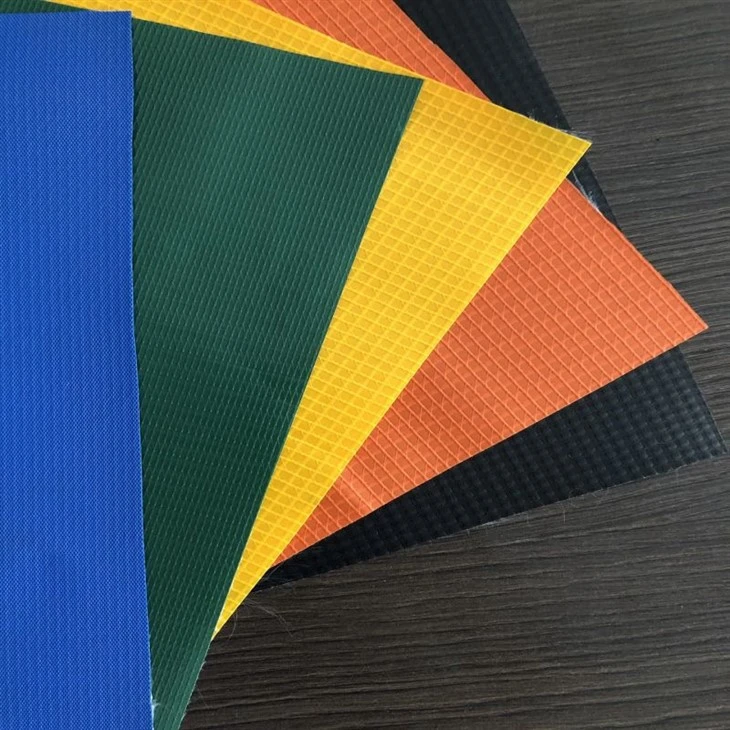
Our Diamond Pattern Fabric PVC Dual Waterproof Fabric uses branded synthetic fiber materials and advanced technology to weave a uniform fabric surface with bright colors. The diamond pattern is clearly visible and within reach. Widely used, mainly for luggage compartments, tents, storage bags, shoes, clothing, daily necessities, etc.

Camouflage Vinyl Pleather Fabric Waterproof
Our Camouflage Vinyl Leather Fabric Waterproof raw material is Vinyl Leather. Vinyl is an internationally recognized highly corrosion-resistant resin with high corrosion resistance polymers, hydrolysis resistance, alkali resistance, and flame retardancy. Widely used.
What is Plastic Nylon Fabric
Nylon is a synthetic fabrics formally known as Polyamide; Polyamide is a synthetic polymer made from two monomers: diamine and dicarboxylic acid. It is produced by the reaction of these monomers in the presence of a catalyst, typically zinc chloride. It is often used in producing textiles, engineering plastics, and coatings. Polyamide has many desirable properties, including high strength, low weight, and resistance to wear and tear.
Benefits of Plastic Nylon Fabric
Strong and durable
Nylon is a tough material that will last for years, even when exposed to extreme conditions. This durability makes it perfect for all types of product from tents to jackets to swimwear.
Lightweight
Nylon fabric is lightweight. This makes it perfect for activewear or even your climbing rucksack.
Water-resistant
Nylon is super quick drying and also resistant to water. Its surface is smooth, meaning droplets can't be absorbed and will glide off easily. This is why it's great for tents, jackets or umbrellas.
Easy to clean
Water cannot be absorbed, and neither can stains. This means nylon is easy to wipe clean.
Affordable
A major pro of nylon is that it is incredibly affordable to make. This is why it's a popular choice across fashion as well as industrial goods.
Resistant to mildew and insects
As a synthetic material, mildew and insects will not damage nylon fabric. This makes it a great choice for products that are exposed to high humidity.
Versatile
Nylon is used to make an incredibly wide range of products, from clothing to industrial products to automotive parts. It's also commonly found in fishing nets, and parachutes due to its high strength and lightweight build.
Blended with other fabrics
Nylon can easily be blended with other materials to create fabrics with a specific benefit. For example, it can be mixed with spandex, cotton or polyester to give it more stretch and breathability in sports clothes.
Colourfast
Nylon is resistant to fading, meaning clothes or other products will keep their bright colours over time.
Easy to dye
If your product requires a specific colour or design, nylon is a great choice. It can be easily dyed to your exact colour requirement.
Types of Plastic Nylon Fabric
Nylon 1,6
Nylons can be synthesized from dinitriles using acid catalysis. For example, this method is applicable for preparing nylon 1,6 from adiponitrile, formaldehyde, and water. It has a high moisture absorbance because of the polymer's significant density of amide residues. Nylon 1,6 is not typically used for fabrics.
Nylon 4,6
Nylon 46 was mainly developed to have a higher operating temperature than other grades of nylon. Therefore, its applications include engine components such as transmissions, brakes, and air cooling systems.
Nylon 510
Nylon 510 is made from pentamethylene diamine and sebacic acid and was included in the Carothers patent to nylon 66. It has superior properties but is more expensive to produce. Because its production costs ultimately prohibited the mass production of this polymer for fabric purposes, the applications of nylon 510 are used in industrial and scientific applications.
Nylon 6
Nylon 6 fibers are tough, possessing high tensile strength, elasticity, and luster. The fibers can absorb up to 2.4% of water, although this lowers tensile strength. The glass transition temperature of nylon 6 is 47 °C. Nylon 6 is generally white as a synthetic fiber but can be dyed in a solution bath before production for different color results. The tenacity of nylon 6 is 6–8.5 gf/D with a density of 1.14 g/cm3. Its melting point is 215 °C and can protect heat up to 150 °C on average.
Nylon 6,6
Nylon 6,6, also written as nylon 6-6, nylon 66, or nylon 6/6, is a more crystalline version of nylon 6. It is also referred to as polyamide 66 or PA 66. It has improved mechanical properties due to its more ordered molecular structure. Nylon 66 for machining has improved temperature resistance and lower rates of water absorption when compared to standard nylon 6. The applications of nylon 6,6 include wear pads, guide wheels, and slide bearings.
Application of Plastic Nylon Fabric

Consumer goods
Nylon is found in numerous consumer products, including bags, backpacks, luggage, umbrellas, tents, ropes, and straps. It is used in the production of sporting goods like tennis racket strings, fishing lines, and hiking boots. Nylon bristles are commonly used in toothbrushes and brushes.
Automotive parts
Nylon's low weight, durability, and chemical resistance make it suitable for various automotive components. It is used in interior parts like dashboards, seat belts, carpet fibers, and airbag fabrics. Nylon is also used in under-the-hood components like fuel lines, engine covers, and coolant reservoirs.

Medical devices
Often used in the medical industry for producing devices such as catheters, surgical sutures, wound dressings, and prosthetic components, certain specialized grades of nylon offer biocompatibility, strength, and flexibility required for medical applications.
Packaging materials
Nylon is used in the production of packaging materials such as films and bags. Nylon films are used in food packaging to provide barrier properties, moisture resistance, and puncture resistance.
The raw materials
Nylon is a synthetic polymer, which means it is a plastic, and like all plastics, it is made from petrochemicals. The primary raw material for making nylon is crude oil. The oil is refined and processed into specific chemicals, notably adipic acid and hexamethylene diamine. These are the monomers that are used to create the polymer known as nylon.
Creating the polymer
The production of nylon polymer begins with a reaction known as polymerization. The adipic acid and hexamethylene diamine are combined in a reaction vessel with water. When these compounds react, they bond together, forming a long chain or polymer, releasing water in the process. This reaction is carefully controlled to ensure that the molecular weight and degree of polymerization are correct, which will determine the properties of the nylon.
Melting and extrusion
Once the nylon polymer is created, it is melted and forced through a spinneret, which is a metal disc with tiny holes that functions like a sieve. As the molten nylon is pushed through the holes of the spinneret, it forms long, thin strands of fiber. This process is known as extrusion. The size and shape of the holes in the spinneret determine the diameter and cross-section of the fibers.
Drawing and cooling
After extrusion, the nylon fibers are still not ready for textile production. They are drawn, which means they are stretched to align the polymer molecules, improving the fiber's strength and elasticity. The fibers are then cooled, solidifying them into their final form. This can be done through various methods, including air-cooling or passing the fibers through a water bath.
Texturizing
Nylon fibers can be texturized to give them certain properties, such as a softer feel or increased elasticity. This is done by crimping the fibers, which involves twisting and heat-setting them to create a bulkier yarn with more texture.
Spinning into yarn
The individual nylon fibers are then spun into yarn. Multiple fibers are twisted together to create a single strand of yarn. This yarn can then be woven or knitted to create a fabric. The type of weave or knit used will affect the texture, appearance, and properties of the final nylon fabric.
Dyeing and finishing
Nylon fabric can be dyed in a vast array of colors. The dyeing process typically occurs after the fabric has been woven or knitted. Nylon is known to be a good fabric for dyeing, with excellent colorfastness. After dyeing, the fabric can undergo various finishing processes, including softening, stain-proofing, or adding water resistance.
Quality control
Throughout the production process, quality control is essential. The nylon is tested for its strength, elasticity, and other properties to ensure it meets the required standards for its intended use.
How to Maintain Plastic Nylon Fabric

Use cold water
Whether you put your plastic nylon fabrics through the washing machine or wash them by hand, always use cold water. Cold water is gentle on delicate fabrics and is less likely to cause shrinkage or fading. It's also energy efficient and can help you to save on energy bills in the long run!
Use care when drying
The drying stage has the most potential to damage your plastic nylon fabric, so it's important to take care. Generally, it's better to air dry plastic nylon fabric than to put it in the dryer. However, if you would like to speed up the process, most plastic nylon fabrics can go in the dryer on a low setting. Keep in mind that high heat settings could damage the material, rendering it useless or shortening its lifespan.

No chlorine bleach
If you are trying to brighten up a plastic nylon fabric that isn't looking its best, don't be tempted to reach for chlorine bleach. This product has its uses, but washing nylon is not one of them. If you wash nylon using chlorine bleach, the fabric may come out of the wash looking yellowed, and the fibers may be damaged, as well. Should you feel that bleach is needed, opt for a non-chlorine version.
How to Choose the Right Plastic Nylon Fabric
Intended use
Consider the purpose of the fabric, such as use in clothing, outdoor gear, or home textiles.
Climate
Consider the climate where the fabric will be used, and choose a fabric that will be comfortable and appropriate for the conditions.
Budget
Cotton fabric is generally less expensive than nylon, making it an ideal choice for cost-sensitive applications.
Environmental impact
Consider the environmental impact of the fabric and choose a sustainable option where possible.
Our Factory
The company has a number of high-tech product development team personnel, the team pays attention to product development and innovation, since 2016 to obtain national high-tech enterprises, 8 products won the national patent in 2017, 2 new products won the provincial excellent new product third prize, 2018 another 10 products won the national patent, PVC composite knitted fabric and PVC compound color Ding cloth obtained the Jiangxi province new product certificate.
Covering an area of 167 mu, construction area of more than 70000 square meters, total investment of nearly 200 million yuan: more than 300 employees, including 36 senior technical R & D personnel, more than 180 junior technicians and skilled workers; the company's production equipment and testing equipment are the latest introduction of first-class equipment at home and abroad.


FAQ