

Is PVC Laminated Fabric Fire - resistant?
As a supplier of PVC laminated fabric, I often encounter inquiries from customers regarding the fire - resistant properties of our products. This is a crucial concern, especially in industries where safety is a top priority, such as construction, transportation, and outdoor equipment manufacturing. In this blog post, I will delve into the topic of whether PVC laminated fabric is fire - resistant, exploring the factors that influence its fire behavior and the steps we take to enhance its safety.
Understanding PVC Laminated Fabric
PVC laminated fabric is a composite material made by bonding a layer of polyvinyl chloride (PVC) to a base fabric, typically polyester or nylon. This combination offers a range of desirable properties, including waterproofing, durability, and flexibility. PVC laminated fabrics are widely used in various applications, such as tents, awnings, tarps, inflatable structures, and automotive interiors.
The PVC layer provides a protective barrier that enhances the fabric's resistance to moisture, abrasion, and chemicals. It also gives the fabric a smooth, shiny surface that is easy to clean and maintain. The base fabric, on the other hand, provides strength and stability to the material.
Fire Behavior of PVC Laminated Fabric
The fire - resistant properties of PVC laminated fabric depend on several factors, including the composition of the PVC layer, the type of base fabric, and the presence of any fire - retardant additives.
PVC itself has some inherent fire - resistant properties. It contains chlorine, which is a flame - retardant element. When exposed to fire, PVC releases hydrogen chloride gas, which can dilute the oxygen in the air and suppress the spread of flames. However, the fire - resistant performance of PVC can be affected by its plasticizers, which are added to make the material more flexible. Some plasticizers can reduce the fire - retardant properties of PVC and make it more flammable.
The type of base fabric also plays a role in the fire behavior of PVC laminated fabric. Natural fibers such as cotton are more flammable than synthetic fibers like polyester. Polyester has a higher melting point and is less likely to catch fire compared to cotton. Therefore, PVC laminated fabrics with a polyester base fabric generally have better fire - resistant properties than those with a cotton base fabric.
Fire - Retardant Additives
To enhance the fire - resistant properties of PVC laminated fabric, manufacturers often add fire - retardant additives to the PVC layer. These additives work by either releasing gases that suppress the combustion process or forming a protective char layer on the surface of the fabric when exposed to fire.
There are different types of fire - retardant additives available, including halogen - based, phosphorus - based, and nitrogen - based compounds. Halogen - based additives, such as brominated and chlorinated compounds, have been widely used in the past due to their high effectiveness. However, concerns about their environmental impact and potential health risks have led to a shift towards more environmentally friendly alternatives.
Phosphorus - based and nitrogen - based additives are becoming increasingly popular as they offer good fire - retardant performance without the negative environmental and health effects associated with halogen - based additives. These additives can be incorporated into the PVC layer during the manufacturing process to improve the fabric's fire - resistant properties.
Testing and Certification
To ensure the fire - resistant performance of PVC laminated fabric, it is important to conduct appropriate testing and obtain relevant certifications. There are several international standards and test methods available for evaluating the fire behavior of fabrics, such as ASTM D6413 (Standard Test Method for Flame Resistance of Textiles), NFPA 701 (Standard Methods of Fire Tests for Flame Propagation of Textiles and Films), and EN 13501 - 1 (Fire classification of construction products and building elements).
These tests measure various aspects of the fabric's fire behavior, including its ignition resistance, flame spread rate, and heat release rate. Fabrics that meet the requirements of these standards can be labeled as fire - resistant or fire - retardant.
As a supplier, we ensure that our PVC laminated fabrics are tested and certified according to the relevant standards. This gives our customers confidence in the fire - resistant performance of our products and helps them meet the safety requirements of their applications.
Our Product Range
We offer a wide range of PVC laminated fabrics with different fire - resistant properties to meet the diverse needs of our customers. Some of our popular products include:

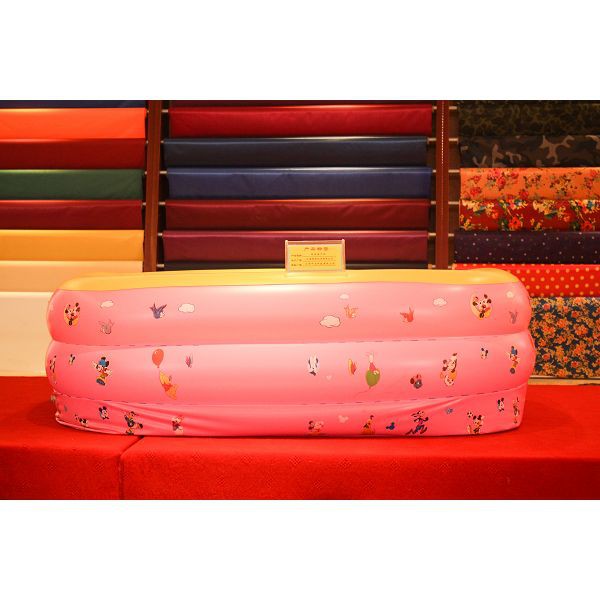
- PVC Coating Polyester Fabric: This fabric is made with a polyester base fabric and a PVC coating. It offers good strength, durability, and fire - resistant properties. It is suitable for a variety of applications, such as tents, awnings, and tarps.
- PVC Waterproof Fabric Oxford Cloth for Raincoat: This fabric is designed for raincoats and other waterproof clothing. It has a waterproof PVC layer and an Oxford cloth base fabric. It provides excellent waterproofing and fire - resistant performance.
- Hexagonal mesh PVC Coat Waterproof Fabric: This fabric features a unique hexagonal mesh pattern and a PVC coating. It is waterproof, durable, and has good fire - resistant properties. It is ideal for outdoor applications, such as outdoor furniture covers and inflatable structures.
Conclusion
In conclusion, PVC laminated fabric can have varying degrees of fire - resistant properties depending on its composition and the presence of fire - retardant additives. While PVC itself has some inherent fire - resistant characteristics, the use of appropriate base fabrics and fire - retardant additives can significantly enhance its fire - resistant performance.
As a supplier of PVC laminated fabric, we are committed to providing our customers with high - quality products that meet the highest safety standards. Our products undergo rigorous testing and certification to ensure their fire - resistant performance. If you are looking for PVC laminated fabric with excellent fire - resistant properties for your specific application, we invite you to contact us for more information and to discuss your procurement needs. We are here to assist you in finding the right solution for your project.
References
- ASTM International. (2023). ASTM D6413 - 23 Standard Test Method for Flame Resistance of Textiles.
- National Fire Protection Association. (2023). NFPA 701 - 23 Standard Methods of Fire Tests for Flame Propagation of Textiles and Films.
- European Committee for Standardization. (2023). EN 13501 - 1:2023 Fire classification of construction products and building elements.