

As a film supplier, I've had the privilege of delving deep into various cinematic works, analyzing their artistic value, and understanding the messages they convey. One film that has always stood out to me is Spike Lee's Do the Right Thing. Released in 1989, this film is a powerful exploration of racial tensions, social injustice, and the complexities of human relationships in a multi - ethnic neighborhood in Brooklyn.
Racial Tensions and Community Divide
At the heart of Do the Right Thing lies the portrayal of racial tensions within the Bedford - Stuyvesant neighborhood. The film presents a microcosm of American society, where different racial and ethnic groups coexist but often clash due to cultural differences, economic disparities, and historical grievances.

The pizzeria owned by Sal, an Italian - American, is a central point of conflict. Sal refuses to put up pictures of black celebrities on his "Wall of Fame," which is filled with images of Italian - American icons. This simple act becomes a symbol of the lack of recognition and respect for the black community. Buggin' Out, a young black man, is particularly offended by this and leads a boycott of the pizzeria. His actions are driven by a sense of pride and a demand for equality.
The racial divide is further exacerbated by the interactions between the black community and the Korean shopkeepers. The Koreans, who own many of the neighborhood's small businesses, are seen as outsiders by some of the black residents. There is a sense of economic competition and cultural misunderstanding between the two groups. For example, when a young black girl shoplifts from a Korean store, the Korean shopkeeper's reaction leads to a confrontation. This incident highlights the deep - seated mistrust and resentment that exists between the different ethnic groups in the neighborhood.
Police Brutality and Social Injustice
Another significant social commentary in Do the Right Thing is the issue of police brutality. The film depicts the heavy - handed tactics of the police in dealing with the black community. When Radio Raheem, a large and imposing black man, gets into an argument with Sal at the pizzeria, the situation escalates quickly. The police are called, and instead of de - escalating the situation, they use excessive force. Radio Raheem is choked to death by a police officer, an act that mirrors many real - life instances of police brutality against black men.
This event serves as a catalyst for the community's anger and frustration. The riot that ensues is a manifestation of the pent - up rage and a demand for justice. The film challenges the audience to question the role of the police in minority communities and the systemic racism that allows such injustices to occur. It also shows how the lack of accountability for police officers can lead to further social unrest.
The Search for Identity and Cultural Pride
Do the Right Thing also explores the theme of identity and cultural pride. Characters in the film are constantly grappling with their own sense of self and their place in society. Radio Raheem, for example, is a symbol of black masculinity and pride. He wears a large "Love" and "Hate" ring on each hand, representing the duality of human nature. His love for hip - hop music and his unapologetic attitude are expressions of his cultural identity.
On the other hand, Mookie, the main character, is more conflicted. He works for Sal at the pizzeria, which puts him in a difficult position. He has friendships within the black community, but he also has a working relationship with Sal and his sons. Mookie's actions at the end of the film, when he throws a trash can through the pizzeria window, are a complex expression of his identity. It is a moment of both rebellion and a re - assertion of his loyalty to his community.
The Role of Media and Propaganda
The film also comments on the role of media in shaping public perception. Throughout the movie, we see the influence of the media on the characters' lives. Radio Raheem's radio is a constant presence, blaring hip - hop music and news that reflects the black experience. However, the mainstream media is shown to be biased and often ignores the issues faced by the black community.
When the riot breaks out, the media coverage focuses more on the chaos and destruction than on the underlying causes. This one - sided reporting further perpetuates the negative stereotypes of the black community and fails to address the real issues of racial inequality and social injustice. It shows how the media can be used as a tool to manipulate public opinion and maintain the status quo.
Our Film Offerings and the Relevance of Do the Right Thing
As a film supplier, we understand the importance of films like Do the Right Thing in sparking conversations and promoting social change. We offer a wide range of films that tackle similar social issues, providing our customers with the opportunity to engage with thought - provoking content.
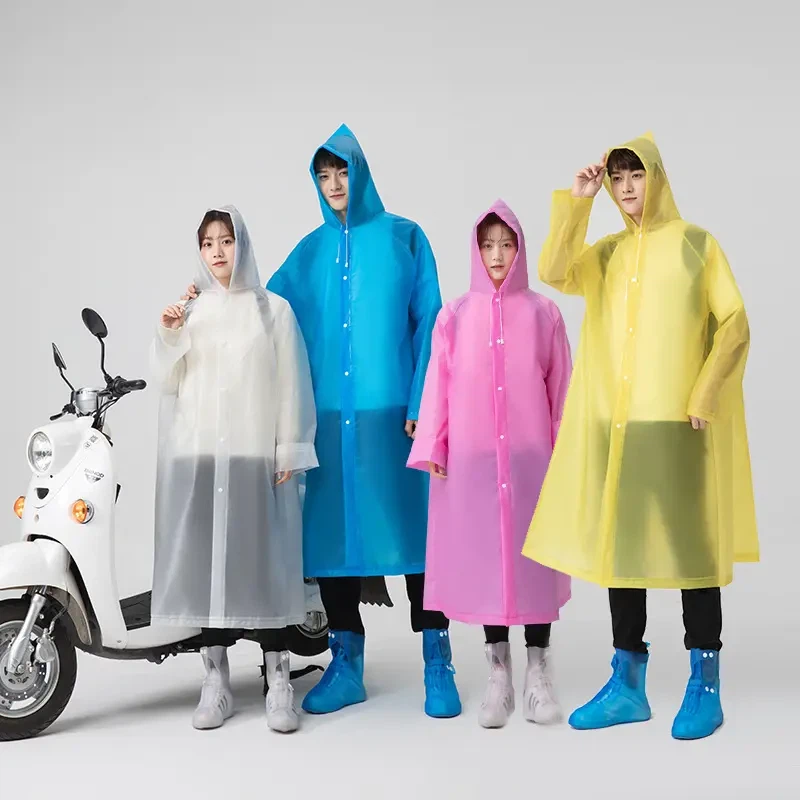
In addition to our film collection, we also supply Colorful PVC Film for Raincoat Umbrella. This high - quality PVC film is perfect for various applications, including raincoats and umbrellas. Just as Do the Right Thing offers a unique perspective on social issues, our PVC film offers a unique and practical solution for your protective gear needs.
Conclusion and Call to Action
Do the Right Thing is a timeless film that continues to resonate with audiences today. Its social commentary on racial tensions, police brutality, identity, and media influence is as relevant as ever. As a film supplier, we are committed to providing our customers with access to films that challenge and inspire.
If you are interested in exploring our film collection or purchasing our Colorful PVC Film for Raincoat Umbrella, we encourage you to reach out to us. We are always ready to engage in discussions about the films we offer and how they can contribute to a more informed and empathetic society. Contact us to start a conversation about your film and film - related product needs.
References
- Lee, Spike, dir. Do the Right Thing. 40 Acres and a Mule Filmworks, 1989.
- hooks, bell. Black Looks: Race and Representation. South End Press, 1992.
- Dyson, Michael Eric. Race Rules: Navigating the Color Line. Pantheon Books, 1996.