


Introduction
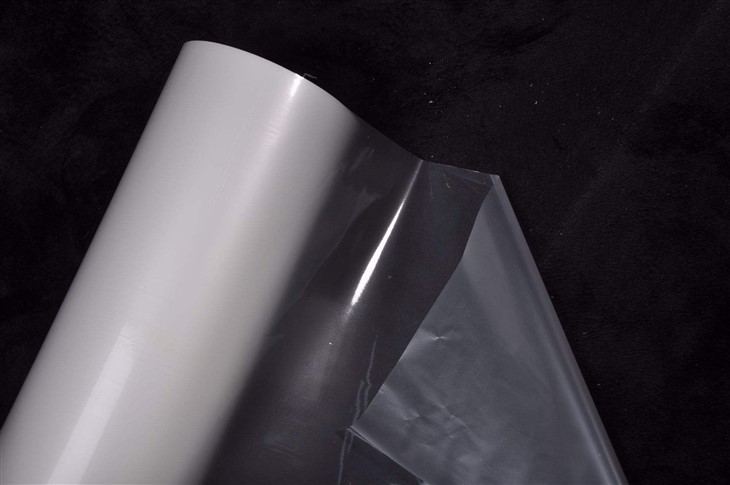
PU-nylon film is a composite material made by combining polyurethane (PU) with nylon (polyamide) fibers. This blend offers the durability and flexibility of polyurethane, along with the strength and abrasion resistance of nylon. As a result, PU-nylon film is commonly used in high-performance applications that require resilience, such as protective clothing, industrial fabrics, luggage, outdoor gear, and automotive components. Additionally, PU-nylon film is free of plasticizers, does not release harmful substances, and is recyclable, making it a sustainable option that meets modern environmental standards.
|
Product description |
Pu-Nylon-Film |
|
Use |
Raincoa,Umbrella,Tents,Luggage,Ice bag,Curtain,Apron,Table cover,etc |
|
Width |
1.37-1.5m |
|
Package way |
Polybag+Woven bag |
|
Delivery time |
25-30days |
|
Payment term |
30% deposit before production,70% balance before shipment.or L/C 30days |
Features
Flexibility
The polyurethane component of PU-nylon film provides exceptional flexibility, allowing the film to bend into various shapes without cracking or losing structural stability. This flexibility is due to the elastic properties of polyurethane, enabling the film to retain its original shape and strength even after repeated stretching and bending. Compared to traditional PVC film, PU-nylon film offers a flex fatigue life that is 20%-30% longer, making it ideal for applications that require frequent movement or reshaping.
Abrasion Resistance
The nylon component in the film naturally enhances its abrasion resistance, thanks to nylon's high toughness and wear-resistant molecular structure. This makes the film highly durable, even after repeated contact and friction. Testing shows that PU-nylon film has a more than 30% improvement in abrasion resistance over standard films, making it suitable for high-contact applications where durability is essential.
Water Resistance
PU-nylon film boasts excellent water resistance, which stems from the dense structure of the polyurethane layer that effectively blocks moisture and water penetration. In 24-hour water immersion tests, the film remained impermeable, demonstrating approximately 40% better waterproof performance compared to conventional films. This makes it ideal for outdoor or moisture-prone environments.
Eco-Friendly
Manufactured with a plasticizer-free formula, PU-nylon film contains no harmful substances, is non-toxic, and fully recyclable, meeting modern environmental standards. Unlike traditional films that contain plasticizers, PU-nylon film does not release harmful gases during decomposition or recycling, making it a sustainable option for environmentally-conscious applications.
Chemical Resistance
PU-nylon film is resistant to a wide range of chemicals, maintaining stable performance when in contact with substances like grease and solvents. This chemical resistance is due to the stable molecular structure of the material, allowing it to be used long-term in applications that involve frequent exposure to chemicals.
Production process
The production process of PU-nylon film involves laminating layers of polyurethane (PU) and nylon through a series of heat and pressure applications. First, a nylon substrate is prepared for coating, and then a layer of molten polyurethane is applied to it, bonding the materials together. This process is done in controlled environments to ensure a uniform and strong bond, resulting in a film that combines the flexibility of PU with the durability of nylon. After cooling, the film undergoes finishing treatments, such as surface smoothing or additional coatings, to enhance specific properties like water resistance or abrasion resistance. Finally, the film is cut into rolls or sheets, ready for various industrial applications.
FAQs
What is PU coating on nylon?
PU coating on fabrics like polyester, nylon, cotton and leather act as a base material on one side of the material. It's a protective film that's usually applied to one side of the material. Fabrics that have PU coating are more lightweight, water-resistant, and flexible.
Is nylon PU waterproof?
Water takes a long time to penetrate PU, which is why PU works as a waterproof coating. However, if there's enough moisture in the environment, water will eventually saturate the PU coating and go into and through the fabric, causing the coated fabric to leak.
What is a nylon TPU?
TPU fabrics bond a thermoplastic polyurethane membrane to a base textile, such as nylon or polyester fabric, to create a wide range of high-performing materials that maintain their flexibility yet are durable and waterproof.
Does ripstop nylon fade?
UV-resistant coatings can help extend the life of ripstop fabric and maintain its vibrant colors. However, just like water resistance, UV resistance may also wear off over time and require reapplication.
Does PU coating wear off?
With prolonged exposure to moisture, the coating will flake and peel away from the fabric and create leakage. Delaminating of the Polyurethane (PU) Coating can prematurely occur with the use of Harsh Chemicals used to clean the backpack, long periods of exposure to Salt Water, exposure to Swimming Pool Chlorine.
What is PU coating used for?
Polyurethanes are selected for industrial and architectural coating systems as finish coats that are usually applied over primer and intermediate coats that together combine the individual coating features to produce long term protective coating systems. Suitable substrates include steelwork, cladding and concrete.
Does PU coating peel?
If its always in a very dry or very humid environment, the PU will break down faster. I forget the exact science, but polyurethane is like Goldilocks - not too dry, not too moist, just right humidity. It will either absorb water or get dried out (both called hydrolysis) which is what causes it to flake/crumble/peel.
Is PU film breathable?
Polyurethane Film offers a unique combination of properties that make it an excellent material for medical applications. Polyether TPU Films offer antimicrobial properties, breathability, and biocompatibility, all while maintaining elasticity and a soft feel.
What is the melting point of nylon film?
The melting point of nylon film typically ranges between 215°C and 265°C, depending on the specific type of nylon, such as Nylon 6 or Nylon 6,6. Nylon 6 has a melting point of approximately 215°C, while Nylon 6,6 melts at around 255-265°C. This high melting point contributes to nylon film's suitability for applications requiring heat resistance and dimensional stability under elevated temperatures.
At what temperature does nylon soften?
Nylon typically begins to soften at temperatures around 160°C to 180°C, depending on the specific type, such as Nylon 6 or Nylon 6,6. This softening point is lower than its melting temperature and is critical for processes like thermoforming, where the material needs to be pliable without reaching full melting.