

Hey there! I'm a supplier of PU Film, and I often get asked, "Can PU Film be recycled?" It's a hot topic these days, what with everyone getting more and more eco - conscious. So, let's dig into this question and find out the real deal.
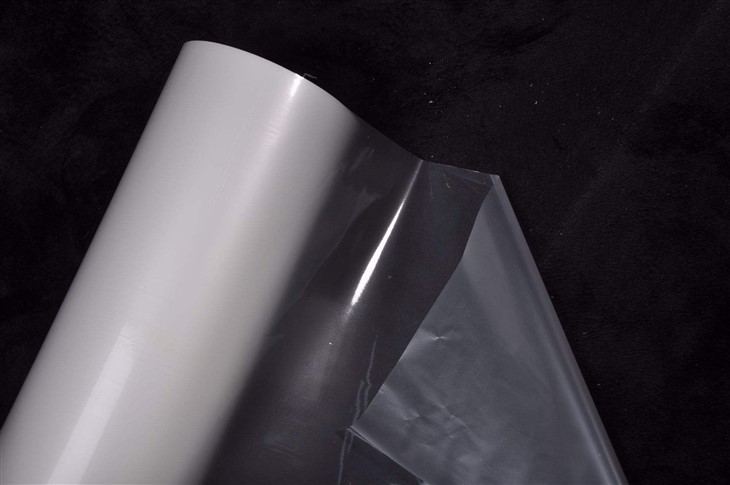
First off, let's understand what PU Film is. Polyurethane (PU) Film is a versatile material that has a wide range of applications. You can find it in Pu-Nylon-Film, which combines the strength of nylon with the flexibility of PU. There's also PU Transparent FILM, used in various industries where transparency and durability are needed, like packaging and automotive interiors.
Now, back to the big question: recycling. The answer isn't a simple yes or no. PU Film can technically be recycled, but there are a bunch of factors that come into play.
One of the main challenges in recycling PU Film is its chemical structure. Polyurethane is a polymer made up of long chains of molecules. These chains are cross - linked, which gives PU Film its great properties like flexibility, durability, and resistance to abrasion. However, this same cross - linked structure makes it a bit of a pain to break down and recycle.
There are different methods of recycling PU Film. One approach is mechanical recycling. In mechanical recycling, the PU Film is collected, cleaned, and then shredded into small pieces. These pieces can then be melted down and reformed into new products. But here's the catch: the quality of the recycled material is often lower than that of the original. The melting process can cause some degradation of the polymer chains, which means the recycled PU Film might not have the same strength or flexibility as the virgin material.
Another method is chemical recycling. Chemical recycling involves breaking down the PU polymer into its basic building blocks using chemical processes. These building blocks can then be used to make new polyurethane. This method has the potential to produce recycled PU Film of a higher quality compared to mechanical recycling. But chemical recycling is more complex and expensive. It requires specialized equipment and a lot of energy, which can offset some of the environmental benefits of recycling.
The availability of recycling facilities also plays a huge role. Not all areas have the infrastructure in place to recycle PU Film. Even if you're willing to recycle your PU Film, you might find it difficult to locate a facility that can handle it. And let's not forget about the cost. Recycling PU Film can be more expensive than producing new material, especially when you factor in the collection, transportation, and processing costs.
But it's not all doom and gloom. There are some positive developments in the field of PU Film recycling. Many research institutions and companies are working on improving recycling technologies. They're looking for ways to make the recycling process more efficient and cost - effective. For example, some are exploring the use of enzymes to break down the PU polymer in a more environmentally friendly way.
There are also some initiatives to increase the recyclability of PU Film at the source. Some manufacturers are starting to design their PU Film products with recycling in mind. They're using additives or changing the chemical composition of the film to make it easier to break down and recycle.

So, what does this mean for us as suppliers and users of PU Film? Well, as a supplier, I'm committed to promoting sustainable practices. I'm constantly looking for ways to reduce the environmental impact of our products. That includes working with recycling facilities to ensure that as much of our PU Film as possible gets recycled.
For users of PU Film, you can also play a part. If you have leftover PU Film, try to find a recycling facility in your area. You can also encourage your suppliers to use more sustainable manufacturing and recycling practices.
In terms of the environmental benefits, even if the recycling process isn't perfect, it's still better than sending all that PU Film to landfills. Landfills are already overflowing, and PU Film doesn't break down easily in a landfill environment. By recycling, we can reduce the amount of waste going into landfills and conserve natural resources.
Now, let's talk about the future. As the demand for sustainable products grows, I'm confident that the recycling of PU Film will become more widespread and efficient. We'll see more advanced recycling technologies, better infrastructure, and more environmentally friendly manufacturing processes.
In conclusion, while recycling PU Film is possible, it's not without its challenges. But with continued research, investment, and commitment from all stakeholders, we can make significant progress in this area.
If you're in the market for high - quality PU Film, whether it's Pu-Nylon-Film or PU Transparent FILM, I'd love to talk to you. We're a supplier that not only offers great products but also cares about the environment. So, if you're interested in discussing your PU Film needs or have any questions about our products, don't hesitate to reach out. Let's work together to make the world a greener place while meeting your business requirements.
References
- "Polyurethane Recycling: A Review" - Journal of Polymer Science
- "Advances in Recycling Technologies for Polyurethane Materials" - International Journal of Recycling of Materials