

Hey there! As a supplier of PU Film, I often get asked whether PU Film can be used in the electronics industry. Well, let's dive right into it and explore this topic together.
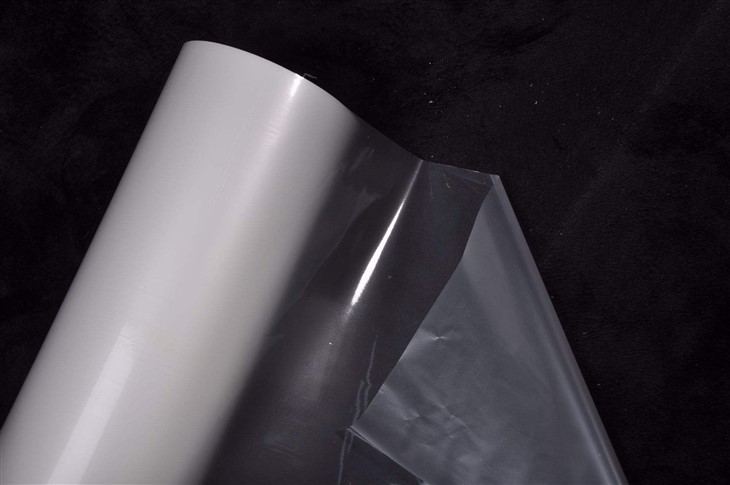
First off, what exactly is PU Film? PU stands for Polyurethane. It's a type of polymer that has a wide range of properties, which makes it super versatile. PU Film comes in different forms, like Pu-Nylon-Film and PU Transparent FILM. Each type has its own unique characteristics that can be beneficial in various applications.
When it comes to the electronics industry, there are several key requirements that materials need to meet. These include good electrical insulation, heat resistance, flexibility, and durability. Let's see how PU Film stacks up against these criteria.
Electrical Insulation
One of the most important aspects in the electronics industry is electrical insulation. You don't want any short - circuits or electrical leakage, right? PU Film has excellent electrical insulation properties. It can prevent the flow of electricity between different components, which is crucial for the safe and proper functioning of electronic devices. Whether it's a small smartphone circuit board or a large - scale electrical system in a computer, PU Film can act as a reliable barrier to keep the electrical currents in check.
Heat Resistance
Electronics generate heat during operation. If the materials used can't handle the heat, it can lead to component failure and reduced lifespan of the device. Fortunately, PU Film has decent heat resistance. It can withstand a certain amount of heat without deforming or losing its properties. This means it can be used in areas close to heat - generating components, such as near the CPU in a laptop. Of course, the heat resistance can vary depending on the specific formulation of the PU Film, but overall, it's well - suited for many electronic applications where heat is a concern.

Flexibility
Many modern electronic devices are becoming more flexible, like foldable smartphones and wearable devices. PU Film is extremely flexible, which makes it a great fit for these types of applications. It can bend and stretch without cracking or breaking, allowing it to be integrated into flexible electronic circuits and displays. This flexibility also makes it easier to install in tight spaces and conform to the shape of different components.
Durability
The electronics industry demands materials that can last. PU Film is known for its durability. It can resist abrasion, chemicals, and moisture. In a real - world scenario, electronic devices are often exposed to various environmental factors. For example, a mobile phone might be accidentally dropped or come into contact with water. The durability of PU Film helps protect the internal components from damage, ensuring the long - term reliability of the device.
Now, let's talk about some specific applications of PU Film in the electronics industry.
Protective Layers
PU Film can be used as a protective layer for electronic components. It can be applied on the surface of circuit boards to protect them from dust, moisture, and mechanical damage. The PU Transparent FILM is particularly useful in this regard. Its transparency allows for easy visual inspection of the components while still providing effective protection.
Gaskets and Seals
In electronic devices, gaskets and seals are used to prevent the ingress of dust and moisture. PU Film can be fabricated into gaskets and seals due to its flexibility and sealing properties. It can create a tight seal around openings in the device, keeping the internal environment clean and dry.
Flexible Displays
As mentioned earlier, with the rise of flexible electronics, PU Film plays a crucial role in flexible displays. It can be used as a substrate for the display, providing support and protection while allowing the display to bend and fold. This is a rapidly growing area in the electronics industry, and PU Film is at the forefront of enabling these innovative technologies.
However, like any material, PU Film also has some limitations. For instance, in extremely high - temperature environments, its heat resistance might not be sufficient. And in some cases, it might need to be specially treated to meet the strictest industry standards for certain applications. But overall, the advantages far outweigh the limitations.
Another aspect to consider is the cost - effectiveness. PU Film is relatively affordable compared to some other high - performance materials used in the electronics industry. This makes it an attractive option for manufacturers looking to balance quality and cost.
In conclusion, PU Film has a lot of potential in the electronics industry. Its electrical insulation, heat resistance, flexibility, and durability make it suitable for a wide range of applications. Whether you're a manufacturer of consumer electronics, industrial electronics, or even automotive electronics, PU Film can be a valuable addition to your product design.
If you're in the electronics industry and are interested in using PU Film for your products, I'd love to have a chat with you. We can discuss your specific requirements, the best type of PU Film for your application, and how we can work together to meet your needs. Don't hesitate to reach out and start the conversation about potential procurement.
References
- "Polyurethane Materials in Engineering Applications" - A comprehensive study on the properties and applications of polyurethane materials, including PU Film.
- "Advances in Flexible Electronics" - A research paper that discusses the role of flexible materials like PU Film in the development of next - generation electronic devices.