

Hey there! I'm a supplier of PU Nylon Film, and today I wanna chat about a super common question: Can PU Nylon Film be laminated with other materials? Well, the short answer is yes, it can! But let's dig deeper into this topic.
What's PU Nylon Film Anyway?
First off, let me quickly introduce what Pu-Nylon-Film is. It's a kind of film that combines the great properties of polyurethane (PU) and nylon. PU gives it flexibility, abrasion resistance, and good chemical resistance. Nylon, on the other hand, adds strength, toughness, and dimensional stability. This combination makes PU Nylon Film a really versatile material used in a bunch of industries like automotive, packaging, and sports equipment.
Why Laminating with Other Materials?
Laminating PU Nylon Film with other materials can bring a whole host of benefits. For one, it can enhance the already good properties of the film. For example, if you laminate it with a layer of aluminum foil, you can improve its barrier properties against moisture, oxygen, and light. This is super useful in food packaging, where keeping the food fresh is a top priority.
Another reason is to add new functions. Say you laminate it with a layer of conductive material, then the film can be used in electronic applications like touchscreens or sensors. It's all about creating a material that can do more than just what the PU Nylon Film can do on its own.
Materials You Can Laminate with PU Nylon Film
1. Polyester Film
Polyester film is a popular choice for lamination. It has high tensile strength, good dimensional stability, and excellent chemical resistance. When you laminate PU Nylon Film with polyester film, you get a composite material that's even stronger and more durable. This is great for applications where the film needs to withstand a lot of stress, like in industrial packaging or outdoor signage.
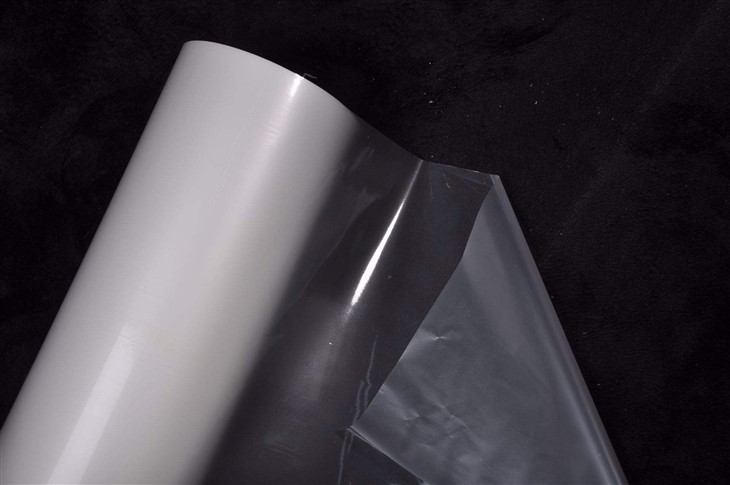

2. Paper
Laminating PU Nylon Film with paper can give the paper a whole new look and feel. The film adds a protective layer that makes the paper more resistant to water, dirt, and wear. It also gives the paper a glossy or matte finish, depending on the type of film used. This is commonly used in book covers, greeting cards, and labels.
3. Aluminum Foil
As I mentioned earlier, aluminum foil is great for improving the barrier properties of PU Nylon Film. It can block out moisture, oxygen, and light, which is crucial for food and pharmaceutical packaging. The combination of the flexibility of the PU Nylon Film and the barrier properties of the aluminum foil makes for a perfect packaging solution.
4. PU Transparent FILM
Laminating two different types of PU films, like PU Nylon Film and PU Transparent FILM, can create a material with unique optical and mechanical properties. The transparent film can add clarity and transparency to the composite, while the PU Nylon Film provides strength and durability. This is useful in applications like display screens or protective covers.
The Lamination Process
The lamination process usually involves three main steps: coating, bonding, and curing.
Coating
In this step, an adhesive is applied to either the PU Nylon Film or the material it's going to be laminated with. The type of adhesive used depends on the materials being laminated and the application requirements. Some common adhesives include solvent-based adhesives, water-based adhesives, and hot-melt adhesives.
Bonding
Once the adhesive is applied, the two materials are brought together under pressure. This can be done using a laminating machine, which presses the materials together to ensure a good bond. The pressure and temperature during the bonding process are carefully controlled to get the best results.
Curing
After bonding, the laminated material needs to be cured. This can be done by heating it in an oven or letting it sit at room temperature for a certain period of time. Curing helps the adhesive to fully set and form a strong bond between the two materials.
Challenges and Considerations
Of course, laminating PU Nylon Film with other materials isn't always a walk in the park. There are some challenges and considerations you need to keep in mind.
Compatibility
The first thing is material compatibility. Not all materials can be easily laminated with PU Nylon Film. You need to make sure that the adhesive used can bond well with both materials and that the materials themselves don't react with each other in a negative way. For example, some materials might have different expansion coefficients, which can cause the laminate to warp or delaminate over time.
Adhesive Selection
Choosing the right adhesive is crucial. As I mentioned earlier, different adhesives have different properties, and you need to select one that's suitable for the materials being laminated and the application environment. For example, if the laminate is going to be used in a high-temperature environment, you need an adhesive that can withstand the heat.
Process Control
The lamination process needs to be carefully controlled to ensure a good quality laminate. Factors like temperature, pressure, and curing time can all affect the final result. If the process isn't controlled properly, you might end up with a laminate that has bubbles, wrinkles, or poor adhesion.
Conclusion
So, to sum it all up, PU Nylon Film can definitely be laminated with other materials, and there are a lot of good reasons to do so. It can enhance the properties of the film, add new functions, and create a material that's more suitable for specific applications. However, there are also some challenges and considerations that need to be taken into account.
If you're interested in using PU Nylon Film or laminating it with other materials for your project, I'd love to chat with you. We have a wide range of PU Nylon Film products and can provide you with professional advice on the lamination process. Just reach out, and let's see how we can work together to meet your needs.
References
- Plastics Technology Handbook, 4th Edition
- Packaging Materials and Technology, 2nd Edition