

In the world of food packaging, the choice of materials is crucial, not only for preserving the quality and safety of food but also for meeting regulatory requirements and consumer expectations. As a supplier of PU Transparent FILM, I often encounter the question: Can PU Transparent FILM be used for food packaging? In this blog post, I will explore this topic in detail, examining the properties of PU Transparent FILM, its suitability for food contact, and the regulatory considerations involved.
Properties of PU Transparent FILM
PU, or polyurethane, is a versatile polymer known for its excellent mechanical, chemical, and physical properties. PU Transparent FILM inherits many of these desirable characteristics, making it an attractive option for various applications, including food packaging.
Transparency: One of the most notable features of PU Transparent FILM is its high transparency. This allows consumers to clearly see the contents of the package, which is particularly important for food products. Transparency also enhances the visual appeal of the packaging, making the product more attractive on the shelf.
Flexibility and Durability: PU Transparent FILM is highly flexible, which means it can be easily formed into different shapes and sizes to accommodate various food products. It is also resistant to tearing, puncturing, and abrasion, providing reliable protection for the food inside. This durability helps to prevent damage during transportation and storage, reducing the risk of spoilage.

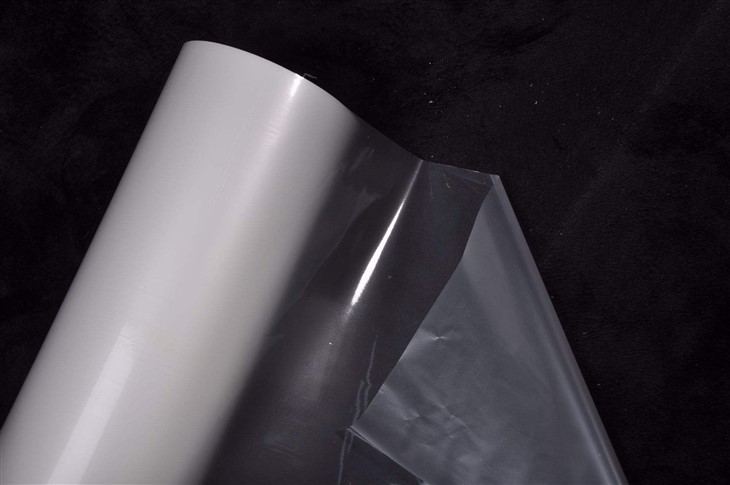
Barrier Properties: Depending on the formulation, PU Transparent FILM can offer good barrier properties against oxygen, moisture, and other gases. This is essential for maintaining the freshness and quality of food, as it helps to prevent oxidation, moisture loss, and the growth of microorganisms. By controlling the exchange of gases between the food and the environment, the film can extend the shelf life of the product.
Chemical Resistance: PU Transparent FILM is resistant to many chemicals, including oils, fats, and solvents. This makes it suitable for packaging a wide range of food products, including those with high fat or oil content. The chemical resistance of the film helps to prevent the migration of substances from the packaging into the food, ensuring its safety and quality.
Suitability for Food Contact
The suitability of PU Transparent FILM for food contact depends on several factors, including the type of PU used, the manufacturing process, and the intended use of the packaging.
Food-Grade PU: To be used for food packaging, the PU used in the film must be food-grade. Food-grade PU is formulated to meet strict safety standards and regulations, ensuring that it does not pose a risk to human health when in contact with food. It is important to source PU Transparent FILM from a reputable supplier who can provide documentation and certification to demonstrate the food-grade status of the material.
Migration Testing: Migration testing is an important step in determining the suitability of PU Transparent FILM for food contact. This testing involves exposing the film to food simulants under specific conditions to measure the amount of substances that migrate from the film into the food. The results of the migration testing must comply with the relevant food contact regulations to ensure the safety of the packaging.
Intended Use: The intended use of the packaging also plays a role in determining its suitability for food contact. For example, if the packaging is intended for short-term storage or single-use applications, the requirements for migration and safety may be less stringent than for long-term storage or repeated use. It is important to consider the specific needs and requirements of the food product when selecting the appropriate packaging material.
Regulatory Considerations
In many countries, the use of packaging materials for food contact is regulated by government agencies to ensure the safety of consumers. These regulations typically set limits on the migration of substances from the packaging into the food and require manufacturers to comply with specific manufacturing processes and quality control measures.
EU Regulations: In the European Union, the use of packaging materials for food contact is regulated by Regulation (EC) No 1935/2004. This regulation sets out general safety requirements for all materials and articles intended to come into contact with food, including PU Transparent FILM. It also requires manufacturers to obtain a safety assessment from a notified body and to comply with specific migration limits for certain substances.
US Regulations: In the United States, the use of packaging materials for food contact is regulated by the Food and Drug Administration (FDA). The FDA has established a comprehensive set of regulations and guidelines for food contact substances, including PU Transparent FILM. These regulations cover the safety assessment, manufacturing processes, and labeling requirements for food contact materials.
Other Countries: Many other countries also have their own regulations and standards for food contact materials. It is important for suppliers and manufacturers of PU Transparent FILM to be aware of these regulations and to ensure that their products comply with the requirements of the target markets.
Advantages of Using PU Transparent FILM for Food Packaging
Despite the regulatory challenges, there are several advantages to using PU Transparent FILM for food packaging.
Enhanced Product Presentation: The high transparency of PU Transparent FILM allows consumers to see the food inside the package, enhancing the visual appeal of the product. This can help to increase sales and differentiate the product from competitors on the shelf.
Improved Food Safety: The excellent barrier properties and chemical resistance of PU Transparent FILM help to protect the food from oxygen, moisture, and other contaminants, reducing the risk of spoilage and extending the shelf life of the product. This can help to reduce food waste and ensure that consumers receive fresh and safe food.
Customization Options: PU Transparent FILM can be easily customized to meet the specific needs and requirements of different food products. It can be printed with branding, labeling, and nutritional information, providing a convenient and cost-effective way to communicate with consumers.
Sustainability: Depending on the formulation, PU Transparent FILM can be recyclable or biodegradable, making it a more sustainable option for food packaging. This can help to reduce the environmental impact of the packaging and meet the growing demand for eco-friendly products.
Conclusion
In conclusion, PU Transparent FILM can be used for food packaging, provided that it meets the relevant safety standards and regulations. Its excellent properties, such as transparency, flexibility, durability, and barrier properties, make it a suitable choice for a wide range of food products. However, it is important to source the film from a reputable supplier who can provide documentation and certification to demonstrate its food-grade status and compliance with regulations.
If you are interested in using PU Transparent FILM or Pu-Nylon-Film for your food packaging needs, I encourage you to contact me to discuss your specific requirements. We can work together to find the best solution for your product and ensure that it meets all the necessary safety and regulatory requirements.
References
- Regulation (EC) No 1935/2004 of the European Parliament and of the Council of 27 October 2004 on materials and articles intended to come into contact with food.
- US Food and Drug Administration. (n.d.). Food Contact Substances Notification (FCN) Program. Retrieved from FDA website