

As a supplier of PU Transparent FILM, I've encountered numerous inquiries regarding its abrasion resistance. This characteristic is of paramount importance, especially in industries where the film is subjected to constant friction and wear. In this blog, I'll delve into the science behind the abrasion resistance of PU Transparent FILM, explore its real - world applications, and compare it with other similar materials.
The Science of Abrasion Resistance in PU Transparent FILM
PU, or Polyurethane, is a versatile polymer known for its excellent mechanical properties. The abrasion resistance of PU Transparent FILM stems from its unique molecular structure. Polyurethane consists of hard and soft segments. The hard segments provide stiffness and strength, while the soft segments offer flexibility and resilience. This combination allows the film to withstand repeated rubbing and scraping without significant damage.
When a force is applied to the PU Transparent FILM, the soft segments absorb the energy by deforming temporarily. Once the force is removed, they return to their original shape. The hard segments, on the other hand, act as a reinforcement, preventing the film from tearing or wearing away easily. This energy - absorbing and self - recovering mechanism is what gives the film its remarkable abrasion resistance.
Another factor contributing to its abrasion resistance is the surface smoothness of the PU Transparent FILM. A smooth surface reduces the friction coefficient, which means that there is less resistance when the film comes into contact with other objects. This smoothness can be further enhanced through advanced manufacturing processes, such as precision coating and surface treatment.
Real - World Applications
The outstanding abrasion resistance of PU Transparent FILM makes it suitable for a wide range of applications.
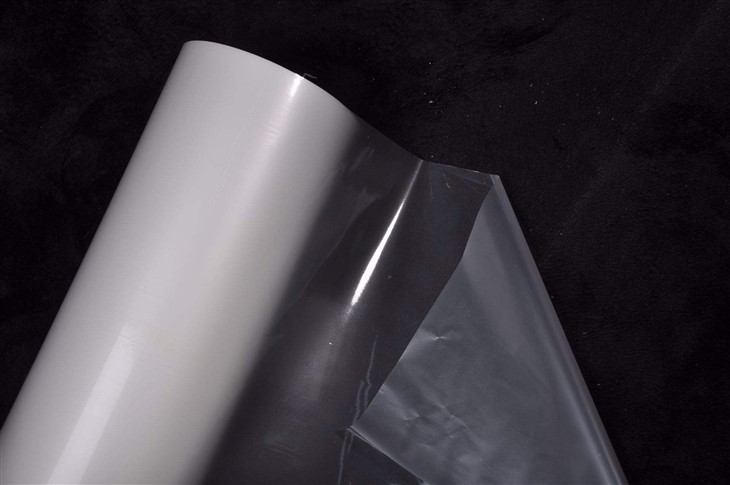

Industrial Applications
In industrial settings, the film is often used as a protective layer for machinery and equipment. For example, in the automotive industry, PU Transparent FILM can be applied to car interiors, such as dashboards and door panels. These areas are frequently touched and rubbed by passengers, and the film can prevent scratches and scuffs, maintaining the aesthetic appeal of the car.
In the electronics industry, the film can be used to protect the screens of electronic devices. Smartphones, tablets, and laptops are prone to scratches from daily use, and a layer of PU Transparent FILM can provide an extra level of protection without compromising the screen's clarity.
Sporting Goods
PU Transparent FILM is also widely used in sporting goods. In sports shoes, the film can be applied to the areas that are most likely to be worn out, such as the toe cap and the heel. This not only extends the lifespan of the shoes but also improves their performance by reducing the weight compared to traditional protective materials.
In sports equipment like hockey sticks and golf clubs, the film can be used to protect the surface from abrasion during use. It can also enhance the grip of the equipment, providing a better user experience.
Fashion and Apparel
In the fashion industry, PU Transparent FILM is used to create innovative and durable clothing and accessories. For example, it can be used to make transparent raincoats that are not only waterproof but also resistant to abrasion from rubbing against other objects. It can also be applied to handbags and wallets to protect them from scratches and wear.
Comparison with Other Materials
When compared with other transparent films, such as PVC (Polyvinyl Chloride) and PET (Polyethylene Terephthalate), PU Transparent FILM generally shows better abrasion resistance.
PVC films are known for their low cost and good flexibility, but they tend to have lower abrasion resistance. Over time, PVC films can become scratched and dull, especially when exposed to rough surfaces.
PET films, on the other hand, have high tensile strength and transparency. However, they are more brittle than PU films and are more likely to crack or tear under repeated abrasion.
PU Transparent FILM strikes a balance between flexibility, transparency, and abrasion resistance. It can withstand more wear and tear than PVC and PET films, making it a preferred choice in many applications where durability is crucial.
Testing the Abrasion Resistance of PU Transparent FILM
To ensure the quality of our PU Transparent FILM, we conduct a series of rigorous abrasion tests. One of the most common methods is the Taber Abrasion Test. In this test, a sample of the film is placed on a rotating platform, and a pair of abrasive wheels are applied to the surface of the film under a specific load. The platform rotates for a set number of cycles, and the amount of material lost from the film is measured.
We also perform real - world simulation tests, where the film is subjected to conditions similar to its intended use. For example, if the film is intended for use in a car interior, we simulate the rubbing and scratching that it would experience over a long period of time.
Conclusion
In conclusion, PU Transparent FILM has excellent abrasion resistance due to its unique molecular structure, surface smoothness, and energy - absorbing properties. Its wide range of applications in industries such as automotive, electronics, sports, and fashion demonstrate its versatility and durability. When compared with other transparent films, it outperforms in terms of abrasion resistance, making it a top choice for many customers.
If you're in need of a high - quality, abrasion - resistant transparent film, our PU Transparent FILM is an ideal option. We also offer Pu - Nylon - Film, which combines the advantages of polyurethane and nylon for even more demanding applications. Contact us for more information and to discuss your specific requirements. We look forward to partnering with you to meet your film needs.
References
- "Polyurethane Handbook" by G. Oertel
- "Polymer Science and Technology" by J. A. Brydson
- Industry reports on transparent film materials and their applications