

As a supplier of PVC film, I often encounter questions from customers regarding the various properties of our products. One of the frequently asked questions is whether PVC film has anti - static properties. In this blog, I will delve into this topic, exploring the science behind anti - static properties, the situation of PVC film in this regard, and how we address anti - static requirements in our product range.
Understanding Anti - Static Properties
Before we discuss whether PVC film has anti - static properties, it's essential to understand what anti - static means. Static electricity is the imbalance of electric charges within or on the surface of a material. When two materials come into contact and then separate, electrons can transfer from one material to the other, creating a static charge. This static charge can cause several problems, such as attracting dust and debris, interfering with electronic devices, and even causing sparks in certain environments.
Anti - static materials are designed to reduce or eliminate the build - up of static electricity. They do this by either conducting the static charge away from the material's surface or by dissipating it slowly. There are different ways to achieve anti - static properties in materials, including the use of anti - static additives, coatings, or by modifying the material's chemical structure.
The Natural State of PVC Film
Polyvinyl chloride (PVC) is a widely used plastic polymer. By nature, PVC film is not an anti - static material. PVC has a relatively high resistance to electrical conductivity, which means that it can easily accumulate static charges. When PVC film is manufactured, processed, or handled, friction can occur between the film and other surfaces, such as rollers, conveyor belts, or hands. This friction can cause electrons to be transferred, resulting in a build - up of static electricity on the surface of the PVC film.
The static charge on PVC film can lead to several issues. For example, it can attract dust and dirt, which is a significant problem in applications where a clean surface is required, such as in the packaging of electronic components or food products. In addition, static electricity can cause the film to stick together, making it difficult to unroll or separate during the manufacturing or packaging process.
Anti - Static Solutions for PVC Film
As a PVC film supplier, we understand the importance of addressing the static electricity problem. To meet the diverse needs of our customers, we offer several solutions to impart anti - static properties to our PVC film products.
One of the most common methods is the use of anti - static additives. These additives are incorporated into the PVC resin during the manufacturing process. Anti - static additives work by migrating to the surface of the film, where they form a thin layer that can conduct electricity. This layer helps to dissipate the static charge and prevent its build - up. There are different types of anti - static additives available, including ionic and non - ionic additives. Ionic additives are more effective in high - humidity environments, while non - ionic additives can work well in a wider range of humidity conditions.
Another approach is the application of anti - static coatings. After the PVC film is manufactured, an anti - static coating can be applied to its surface. The coating contains conductive materials that can quickly dissipate static charges. Anti - static coatings are particularly useful when a high level of anti - static performance is required, or when the use of additives is not feasible.
We also offer customized solutions for customers who have specific anti - static requirements. Our R & D team can work closely with customers to develop PVC film with tailored anti - static properties. This may involve adjusting the type and amount of anti - static additives, or using a combination of additives and coatings to achieve the desired level of static dissipation.
Applications of Anti - Static PVC Film
Anti - static PVC film has a wide range of applications across various industries. Here are some examples:
- Electronics Packaging: In the electronics industry, static electricity can damage sensitive electronic components. Anti - static PVC film is used to package electronic devices, such as computer chips, circuit boards, and mobile phones, to protect them from static discharge during transportation and storage. Our Top - grad - printing - pvc - film - in - roll with anti - static properties is a popular choice for this application, as it provides both protection and excellent printability.
- Food Packaging: For food products, a clean and dust - free packaging is essential. Anti - static PVC film can prevent the attraction of dust and dirt, ensuring that the food remains clean and safe. Our High Transparency PVC Film in Roll with anti - static features is suitable for food packaging, as it offers high transparency to showcase the product inside while keeping it free from static - related contamination.
- Textile Industry: In the textile industry, PVC Jacquard Film is used for various applications, such as in the production of decorative fabrics and artificial leather. Anti - static PVC Jacquard Film can prevent the film from sticking to the textile during the lamination process and reduce the attraction of lint and dust. You can find more information about our PVC Jacquard Film on our website.
Quality Assurance and Testing
We take quality seriously in our anti - static PVC film products. Before our products are released to the market, they undergo rigorous testing to ensure that they meet the required anti - static performance standards. We use advanced testing equipment to measure the surface resistivity of the film, which is an important indicator of its anti - static properties. In addition, we also conduct practical tests to evaluate the film's performance in real - world applications, such as its ability to resist dust attraction and its ease of handling.
Contact Us for Anti - Static PVC Film
If you are looking for high - quality PVC film with anti - static properties, we are here to help. Our team of experts can provide you with detailed information about our products, including the different types of anti - static solutions available, the performance characteristics of our films, and the best application recommendations. We can also offer samples for you to test and evaluate.
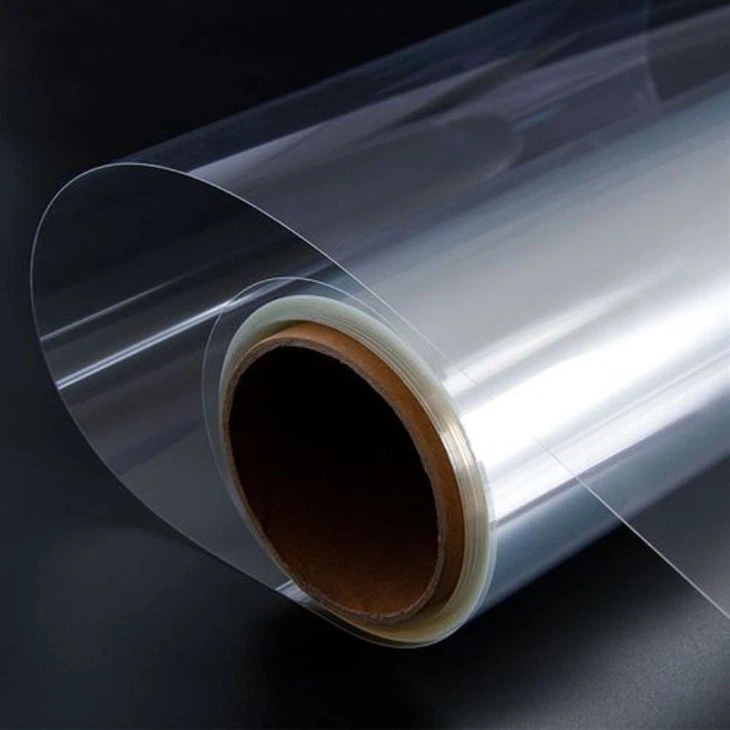

Whether you have a specific anti - static requirement or need general advice on PVC film applications, please feel free to contact us. We are committed to providing you with the best PVC film products and services to meet your business needs.
References
- ASTM International. (2023). ASTM D257 - 22: Standard Test Methods for DC Resistance or Conductance of Insulating Materials.
- Plastics Additives Handbook. (2015). Hanser Publishers.