

Hey there! As a supplier of PU Film, I often get asked, "How long does PU Film last outdoors?" It's a great question, and one that doesn't have a one - size - fits - all answer. In this blog, I'm gonna break down the factors that affect the outdoor lifespan of PU Film and give you a ballpark estimate.
Understanding PU Film
First off, let me give you a quick rundown on what PU Film is. PU stands for polyurethane, a type of polymer that's used in a wide range of applications. Our Pu - Nylon - Film combines the strength of nylon with the flexibility and durability of polyurethane. And our PU Transparent FILM is perfect for applications where you need clarity along with protection.

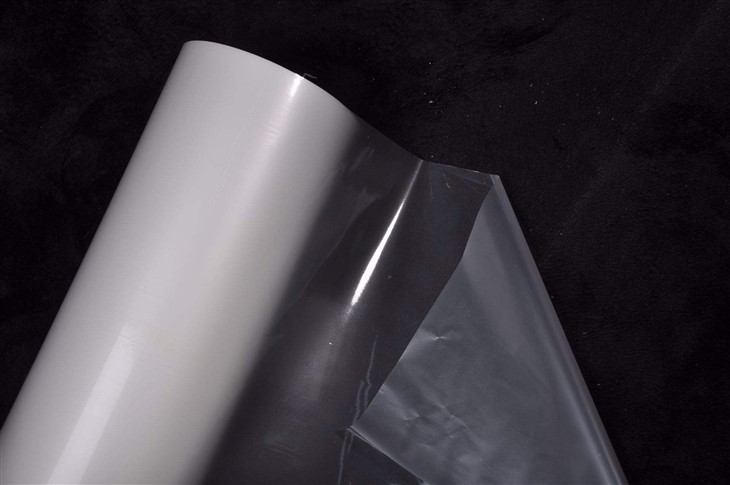
PU Film is known for its excellent abrasion resistance, flexibility, and chemical resistance. It can be found in everything from outdoor clothing and sports equipment to automotive interiors and industrial applications. But when it comes to outdoor use, there are a few things that can take a toll on its lifespan.
Factors Affecting the Outdoor Lifespan of PU Film
1. UV Exposure
The sun is one of the biggest enemies of PU Film outdoors. Ultraviolet (UV) rays can break down the chemical bonds in the polyurethane, causing it to become brittle, crack, and lose its strength. The amount of UV exposure depends on a few factors, like the location, the time of year, and the orientation of the film.
For example, if the PU Film is installed in a sunny location near the equator, it'll be exposed to more intense UV rays than if it's in a cloudy, northern climate. Also, if the film is facing the sun directly for most of the day, it'll degrade faster. On average, without any UV protection, PU Film can start to show signs of degradation within 6 months to 2 years of continuous outdoor exposure.
2. Temperature and Humidity
Extreme temperatures and high humidity levels can also affect the lifespan of PU Film. In hot weather, the film can become soft and lose its shape. On the other hand, in cold weather, it can become stiff and brittle. High humidity can lead to the growth of mold and mildew, which can eat away at the film.
In a moderate climate with average temperatures and humidity levels, PU Film can last anywhere from 3 to 5 years. But in areas with harsh temperature fluctuations and high humidity, like the tropics or coastal regions, the lifespan may be reduced to 1 to 2 years.
3. Chemical Exposure
Outdoor environments can expose PU Film to a variety of chemicals, such as pollutants, acids, and salts. These chemicals can react with the polyurethane, causing it to degrade. For example, saltwater can corrode the film over time, making it more prone to tears and punctures.
If the PU Film is used in an industrial area with high levels of pollution or near a chemical plant, its lifespan will be significantly shorter. In a relatively clean environment, the film can last longer, but in a highly polluted or chemically - exposed area, it may only last a year or less.
4. Mechanical Stress
The amount of mechanical stress the PU Film is subjected to also plays a role in its outdoor lifespan. If the film is constantly being stretched, bent, or rubbed against other surfaces, it'll wear out faster. For example, if it's used as a cover for a piece of equipment that vibrates or moves a lot, the film will be under more stress.
Regular wear and tear can cause the film to develop small cracks, which can then grow and lead to failure. To minimize mechanical stress, it's important to install the film properly and use it within its recommended limitations.
How to Extend the Outdoor Lifespan of PU Film
1. UV Protection
One of the best ways to extend the lifespan of PU Film outdoors is to use a UV - resistant coating or add UV stabilizers during the manufacturing process. These additives can absorb or reflect UV rays, reducing the amount of damage to the film. Some of our PU Films come with built - in UV protection, which can significantly increase their outdoor lifespan, sometimes up to 5 to 10 years.
2. Proper Installation
Making sure the PU Film is installed correctly is crucial. It should be stretched taut and secured firmly to prevent it from flapping in the wind or rubbing against other surfaces. This reduces the mechanical stress on the film and helps it last longer.
We also recommend using appropriate fasteners and adhesives that are compatible with the PU Film. Using the wrong products can cause the film to delaminate or tear.
3. Regular Maintenance
Regular maintenance can go a long way in extending the lifespan of PU Film. This includes cleaning the film regularly to remove dirt, debris, and chemicals. You can use a mild detergent and water to clean the film, but avoid using harsh chemicals that can damage it.
Inspecting the film for any signs of damage, such as cracks or tears, and repairing them promptly can also prevent further degradation.
Ballpark Estimates of Outdoor Lifespan
Based on the factors we've discussed, here are some general estimates of how long PU Film can last outdoors:
- Good Conditions: In a location with low UV exposure, moderate temperatures, low humidity, and little chemical or mechanical stress, PU Film with proper UV protection can last up to 10 years or more.
- Moderate Conditions: In a typical outdoor environment with average UV levels, normal temperature and humidity fluctuations, and some mechanical stress, the film can last 3 to 5 years.
- Harsh Conditions: In areas with high UV exposure, extreme temperatures, high humidity, and significant chemical or mechanical stress, the film may only last 1 to 2 years.
Wrapping Up and Connecting
Well, that's a breakdown of how long PU Film lasts outdoors. As you can see, there are a lot of factors at play, but with the right precautions, you can get a decent amount of use out of it.
If you're in the market for high - quality PU Film for your outdoor applications, don't hesitate to reach out. We're here to help you find the right product for your needs and answer any questions you might have. Whether you're a small business looking for a durable covering or a large corporation in need of industrial - grade materials, we've got you covered. Contact us to start a conversation about your PU Film requirements.
References
- "Polyurethane Coatings: A Handbook" - John Wiley & Sons
- Technical reports on polymer degradation in outdoor environments from leading research institutions