

Hey there! I'm a supplier of PU Nylon Film, and today I wanna chat about how to adjust the stiffness of this awesome material.
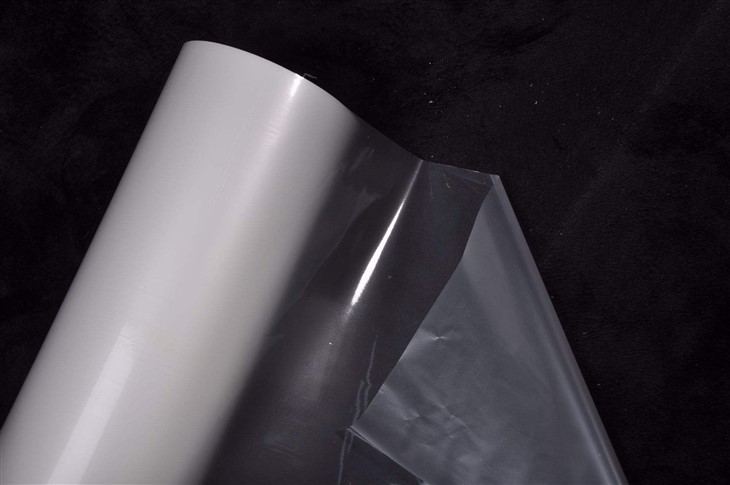
PU Nylon Film, also known as Pu-Nylon-Film, is a versatile product with a wide range of applications. It combines the advantages of polyurethane (PU) and nylon, offering good flexibility, durability, and chemical resistance. Sometimes, though, you might need to tweak its stiffness to suit different needs. Let's dig into the details.
Understanding the Basics of Stiffness in PU Nylon Film
Before we get into the adjustment methods, it's important to understand what affects the stiffness of PU Nylon Film. The stiffness is mainly related to the material's molecular structure, the ratio of PU to nylon, and the processing conditions.
The molecular chains in the film interact with each other. When these chains are more tightly packed and have stronger intermolecular forces, the film tends to be stiffer. The ratio of PU to nylon also plays a crucial role. Nylon generally has a higher modulus of elasticity, which means it's stiffer compared to some types of PU. So, a higher proportion of nylon in the blend will usually result in a stiffer film.
Adjusting Stiffness during the Manufacturing Process
1. Resin Selection and Blending
One of the most fundamental ways to control the stiffness of PU Nylon Film is through resin selection and blending. As I mentioned earlier, nylon has a relatively high stiffness. By choosing different grades of nylon and adjusting the ratio between nylon and PU resins, we can achieve different levels of stiffness.
For example, if you want a stiffer film, you can increase the percentage of high - modulus nylon in the blend. On the other hand, if you need a more flexible film, you can use a higher proportion of soft - grade PU. It's like a recipe; you need to find the right balance of ingredients to get the desired result.
2. Processing Temperature
The processing temperature during film extrusion also has a significant impact on stiffness. When the temperature is higher during extrusion, the polymer chains have more mobility. This can lead to a more random arrangement of the chains, resulting in a less stiff film.
Conversely, lower processing temperatures can cause the polymer chains to align more orderly, increasing the intermolecular forces and thus making the film stiffer. However, we need to be careful not to set the temperature too low, as it may cause other issues like poor melt flow and uneven film thickness.
3. Cooling Rate
The cooling rate after extrusion is another important factor. A fast cooling rate can "freeze" the polymer chains in their current state. If the chains are in a relatively disordered state during the fast - cooling process, the film will be less stiff.
On the contrary, a slow cooling rate allows the polymer chains more time to rearrange and form more ordered structures, which increases the stiffness of the film. We can control the cooling rate by adjusting the speed of the cooling air or the temperature of the cooling rollers.
Post - Processing Adjustments
1. Heat Treatment
Heat treatment is a common post - processing method to adjust the stiffness of PU Nylon Film. By heating the film to a specific temperature and holding it for a certain period, we can change the molecular structure of the film.
For example, annealing the film at a moderate temperature can relieve internal stresses and promote the crystallization of the polymer chains. This crystallization process can increase the stiffness of the film. However, over - heating can cause the film to deform or lose some of its other properties, so we need to carefully control the temperature and time.
2. Lamination
Laminating the PU Nylon Film with other materials can also change its stiffness. If we laminate it with a stiffer material, such as a thin metal foil or a rigid plastic film, the overall stiffness of the composite will increase.
On the other hand, laminating with a soft and flexible material can reduce the stiffness. Lamination can be done using adhesives or heat - sealing techniques, depending on the materials involved.
Testing and Quality Control
Once we've made adjustments to the stiffness of the PU Nylon Film, it's essential to test and ensure that the film meets the required specifications. We usually use methods like the flexural modulus test to measure the stiffness of the film.
The flexural modulus is a measure of a material's resistance to bending. By comparing the test results with the desired values, we can determine if further adjustments are needed. Quality control is crucial to ensure that every batch of our PU Transparent FILM and other PU Nylon Film products has consistent stiffness and other properties.
Conclusion
Adjusting the stiffness of PU Nylon Film is a complex but achievable task. By carefully controlling the resin selection, processing conditions, and post - processing methods, we can customize the stiffness of the film to meet the specific needs of different applications.

Whether you're in the packaging industry, automotive industry, or any other field that uses PU Nylon Film, getting the right stiffness is key to the performance of your final product. If you're interested in our PU Nylon Film products or have any questions about adjusting the stiffness, feel free to reach out to us for a chat and start a procurement discussion. We're always here to help you find the perfect solution for your needs.
References
- "Polymer Science and Technology" by Carl A. Harriss
- "Plastic Films: Technology and Packaging Applications" by Wilmer A. Jenkins and James P. Harrington