

Selecting the appropriate thickness of PU (Polyurethane) film is a critical decision that can significantly impact the performance, functionality, and cost - effectiveness of your project. As a reliable PU film supplier, I've witnessed firsthand how the right thickness choice can make or break a product. In this blog, I'll guide you through the key factors to consider when choosing the right thickness of PU film.
Understanding the Basics of PU Film Thickness
PU film thickness is typically measured in micrometers (μm) or mils (1 mil = 25.4 μm). The thickness of the film can range from very thin, around 10 μm, to relatively thick, up to 500 μm or more. Thinner films offer different properties compared to thicker ones, and understanding these differences is the first step in making an informed choice.
Factors Influencing the Choice of Thickness
1. Intended Application
The application for which the PU film is used is the most significant factor in determining the appropriate thickness.
- Packaging: For food packaging, a thin PU film, usually between 10 - 50 μm, may be sufficient. These thin films are flexible, lightweight, and can provide a good barrier against moisture and oxygen. They are also cost - effective for high - volume packaging needs. On the other hand, for industrial product packaging, especially for items that require more protection from scratches, impacts, or environmental factors, a thicker film in the range of 100 - 250 μm might be more suitable.
- Textile Lamination: In the textile industry, when laminating PU film to fabrics for waterproof and breathable clothing, a thickness of 20 - 100 μm is common. Thinner films are often preferred for lightweight and flexible garments, while thicker ones can offer more durability and better protection in harsh environments.
- Medical Applications: Medical devices and products such as wound dressings may use thin PU films (10 - 50 μm) due to their softness and conformability to the skin. However, for medical packaging that needs to protect sensitive equipment, a thicker film could be required.
2. Mechanical Properties
The mechanical properties of the PU film, such as tensile strength, tear resistance, and elongation, are closely related to its thickness.
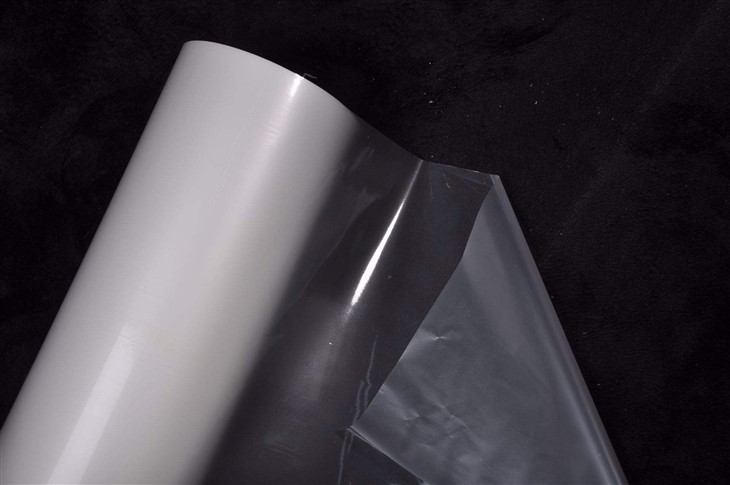

- Tensile Strength: Thicker PU films generally have higher tensile strength. If your application involves stretching or pulling forces, a thicker film will be able to withstand these forces better without breaking. For example, in automotive interiors where the film may be subject to constant movement and stress, a thicker PU film can ensure long - term durability.
- Tear Resistance: Similar to tensile strength, tear resistance also increases with thickness. In applications where the film may be exposed to sharp objects or rough handling, such as in the construction industry for protective covers, a thicker film is less likely to tear.
- Elongation: Thinner films usually have higher elongation at break. This property can be advantageous in applications where the film needs to stretch and conform to irregular shapes, like in some types of custom - molded products.
3. Cost Considerations
Cost is always an important factor in any project. Thicker PU films generally cost more than thinner ones due to the additional raw materials and production processes involved. You need to balance the performance requirements of your application with the cost. Sometimes, a slightly thinner film may be a more cost - effective option if it can still meet the essential requirements of the project. For example, if you are working on a short - term promotional item, using a thinner film can save costs without sacrificing too much on quality.
4. Environmental Factors
The environmental conditions in which the PU film will be used can also influence the thickness choice.
- Temperature: In high - temperature environments, thicker PU films may be more stable as they can better resist thermal deformation. Conversely, in low - temperature applications, a thinner film may remain more flexible. For example, in outdoor signage that is exposed to extreme temperatures, a thicker film can ensure the long - term integrity of the sign.
- Humidity: If the film will be exposed to high humidity, a thicker film can provide better moisture resistance. This is important in applications such as storage covers for equipment in damp environments.
Specific Types of PU Films and Their Thickness Recommendations
1. PU Transparent FILM
PU transparent film is widely used in applications where visibility and protection are both required, such as in display cases or transparent packaging. For general display purposes, a thickness of 50 - 100 μm is often a good choice. It offers sufficient clarity while still providing some protection against scratches and minor impacts. If the display is in a high - traffic area or needs more protection, a thicker film of 150 - 250 μm can be considered.
2. Pu - Nylon - Film
Pu - Nylon - Film combines the properties of PU and nylon, offering excellent strength and durability. In applications like outdoor sports equipment covers, a thickness of 150 - 300 μm is common. This thickness provides good resistance to abrasion, UV rays, and weather conditions. For more lightweight and flexible uses, such as in some types of bags or pouches, a thinner film in the range of 50 - 100 μm can be used.
Testing and Sampling
Before making a final decision on the thickness of the PU film, it's highly recommended to conduct testing and request samples from your supplier. Our company offers free samples of different thicknesses so that you can test them in your actual application environment. You can evaluate how the film performs in terms of mechanical properties, compatibility with other materials, and overall suitability for your project.
Conclusion
Choosing the right thickness of PU film is a complex but crucial decision. By considering factors such as the intended application, mechanical properties, cost, and environmental factors, you can make an informed choice that meets the specific requirements of your project. As a professional PU film supplier, we are committed to providing you with high - quality products and expert advice to help you achieve the best results. If you have any questions or need further assistance in selecting the right thickness of PU film, please don't hesitate to contact us for procurement and negotiation. We look forward to working with you on your next project.
References
- "Polyurethane Handbook" by G. Oertel
- "Plastic Films: Technology and Packaging Applications" by Wilmer A. Jenkins and James P. Harrington