

As a supplier of PU Nylon Film, I've witnessed firsthand the growing demand for films with enhanced optical clarity. In various industries, from packaging to electronics, the optical clarity of PU Nylon Film plays a crucial role in determining its usability and marketability. In this blog, I'll share some insights and strategies on how to enhance the optical clarity of PU Nylon Film.
Understanding the Basics of PU Nylon Film
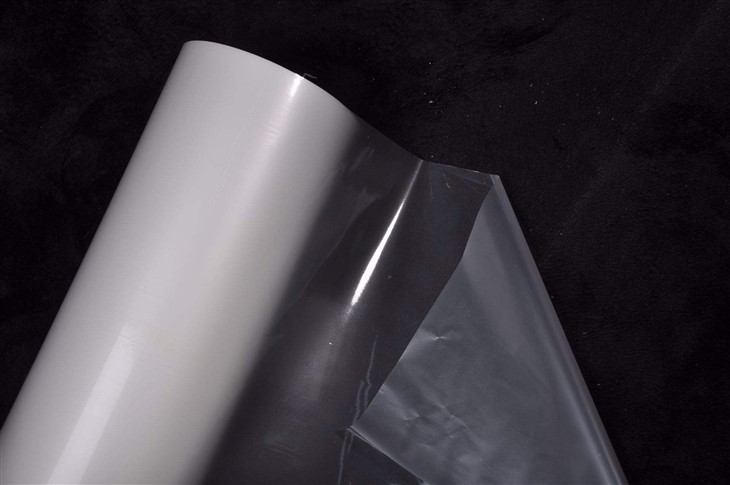
Before delving into the methods of enhancing optical clarity, it's essential to understand what PU Nylon Film is. Pu-Nylon-Film is a composite material that combines the excellent properties of polyurethane (PU) and nylon. It offers high strength, good flexibility, and chemical resistance. However, achieving optimal optical clarity can be a challenge due to factors such as the inherent structure of the polymers, processing conditions, and the presence of impurities.
Factors Affecting Optical Clarity
Polymer Selection
The choice of polymers used in the production of PU Nylon Film significantly impacts its optical clarity. High - purity polymers with low levels of additives and impurities are preferred. For example, using virgin polymers rather than recycled ones can reduce the likelihood of haze caused by contaminants. When selecting nylon, the type and grade can also affect clarity. Nylons with a more regular molecular structure tend to provide better optical properties.
Processing Conditions
The processing conditions during film production have a profound influence on optical clarity. Temperature, pressure, and extrusion speed are critical parameters. If the processing temperature is too high, it can cause thermal degradation of the polymers, leading to yellowing and reduced clarity. On the other hand, if the temperature is too low, the polymers may not melt and flow uniformly, resulting in a non - homogeneous film with poor optical properties.
Additives
Additives are often used in PU Nylon Film to improve certain properties, such as UV resistance or anti - static properties. However, some additives can negatively affect optical clarity. For example, fillers or pigments can scatter light and cause haze. Therefore, it's important to carefully select additives and use them in the appropriate amounts.
Strategies to Enhance Optical Clarity
Polymer Purification
One of the most effective ways to enhance optical clarity is to purify the polymers before film production. This can involve processes such as solvent extraction, filtration, and vacuum drying. Solvent extraction can remove low - molecular - weight impurities and additives, while filtration can remove particulate matter. Vacuum drying helps to remove moisture, which can also affect the clarity of the film.
Optimized Processing Parameters
As mentioned earlier, processing conditions play a crucial role in optical clarity. By optimizing the temperature, pressure, and extrusion speed, we can ensure that the polymers melt and flow uniformly, resulting in a clear and homogeneous film. For example, using a multi - zone extruder allows for precise control of the temperature profile, which is essential for achieving good optical properties.

Surface Treatment
Surface treatment can also improve the optical clarity of PU Nylon Film. Coating the film with a thin layer of a clear, low - refractive - index material can reduce surface reflection and enhance transparency. Anti - glare coatings can also be applied to reduce the visibility of reflections and improve the overall visual experience.

Use of Nucleating Agents
Nucleating agents can be added to the polymer blend to promote the formation of small, uniform crystals. Smaller crystals scatter less light, resulting in a clearer film. However, the choice of nucleating agent and its concentration need to be carefully optimized to avoid negative effects on other properties of the film.
Quality Control and Testing
To ensure that the PU Nylon Film meets the required optical clarity standards, rigorous quality control and testing procedures are necessary. Visual inspection can be used as a preliminary step to detect obvious defects such as haze, streaks, or bubbles. More advanced testing methods, such as haze measurement using a haze meter and optical microscopy, can provide quantitative data on the optical properties of the film.
Applications of High - Clarity PU Nylon Film
The enhanced optical clarity of PU Nylon Film opens up a wide range of applications. In the packaging industry, PU Transparent FILM can be used for food packaging, where consumers can clearly see the contents. In the electronics industry, it can be used as a protective film for displays, providing scratch resistance and high transparency. In the automotive industry, it can be used for interior trim applications, where both aesthetics and durability are important.
Conclusion
Enhancing the optical clarity of PU Nylon Film is a complex but achievable goal. By carefully selecting polymers, optimizing processing conditions, using appropriate additives, and implementing strict quality control measures, we can produce films with excellent optical properties. As a supplier of PU Nylon Film, we are committed to continuously improving our products to meet the evolving needs of our customers.
If you are interested in our high - clarity PU Nylon Film products or have any questions regarding optical clarity enhancement, we invite you to contact us for further discussion and potential procurement opportunities. We look forward to working with you to find the best solutions for your specific requirements.
References
- "Polymer Science and Technology" by Morton M. Coleman and Charles A. McGraw.
- "Plastics Extrusion Technology" by Christopher Rauwendaal.
- Journal articles on polymer film optics and processing in journals such as Polymer Engineering and Science.