

Hey there! As a supplier of PU Nylon Film, I've had my fair share of experiences when it comes to getting that top - notch printing quality on this awesome material. In this blog, I'll share some tips and tricks to help you ensure great printing results on PU Nylon Film.
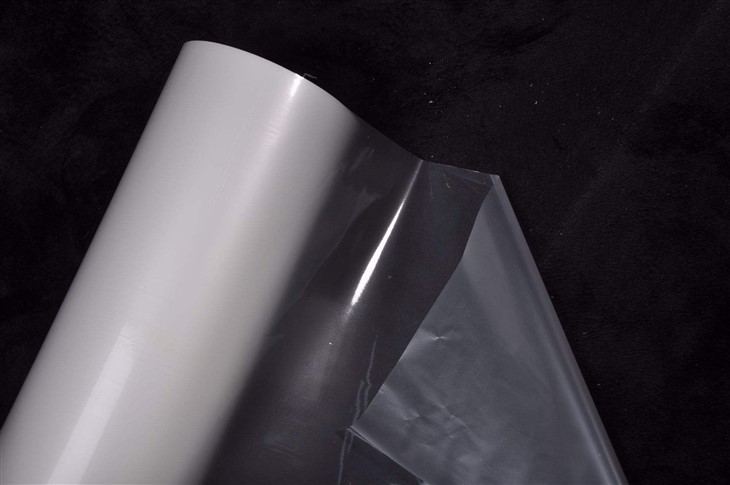
First things first, let's talk about understanding the material itself. PU Nylon Film, you can check it out Pu - Nylon - Film, is a unique blend of polyurethane and nylon. It has some cool properties like high flexibility, good abrasion resistance, and excellent chemical resistance. But these very properties can also pose challenges when it comes to printing.
Pre - Printing Considerations
Surface Preparation
The surface of the PU Nylon Film needs to be clean and free from any contaminants before printing. Dust, oils, or fingerprints can all interfere with the adhesion of the ink. You can use a mild, non - abrasive cleaner to wipe the film surface. Make sure to let it dry completely before moving on to the next step.
Also, some films may have a release liner on one side. If that's the case with your film, remove it carefully without scratching the surface. And don't forget to handle the film with clean gloves to avoid getting any new contaminants on it.
Film Conditioning
PU Nylon Film can be sensitive to environmental conditions. Temperature and humidity can affect the film's properties and the way the ink adheres to it. It's a good idea to condition the film in the printing environment for a few hours before starting the printing process. This helps the film adjust to the local conditions and reduces the chances of warping or other issues during printing. Aim for a temperature of around 20 - 25°C (68 - 77°F) and a relative humidity of 40 - 60%.
Choosing the Right Ink
Compatibility
Not all inks are created equal, and not all of them will work well with PU Nylon Film. You need to choose an ink that is specifically formulated for use on this type of material. There are inks available that are designed to adhere well to the smooth surface of the film and provide long - lasting, vibrant prints. Some inks may require a special primer to improve adhesion, so make sure to read the product specifications carefully.
Ink Type
There are different types of inks, such as solvent - based, water - based, and UV - curable inks. Solvent - based inks are known for their good adhesion and durability, but they can emit volatile organic compounds (VOCs), which may not be environmentally friendly. Water - based inks are more eco - friendly, but they may require longer drying times. UV - curable inks are a great option as they dry quickly under UV light and offer excellent scratch resistance. You can choose the ink type based on your specific requirements, such as the printing speed, environmental concerns, and the end - use of the printed film.
Printing Process
Printer Settings
Proper printer settings are crucial for achieving good printing quality. Adjust the print resolution according to the details you want to achieve in your design. A higher resolution will result in a sharper and more detailed print, but it may also slow down the printing process. Also, make sure to set the correct media type in the printer settings. This ensures that the printer applies the right amount of ink and adjusts the drying time accordingly.
Registration
Registration is all about getting the different colors in your design to line up perfectly. Any misregistration can make your print look messy and unprofessional. Most modern printers have registration marks and adjustment features to help you achieve accurate registration. Take the time to calibrate the printer and check the registration before starting a large - scale print job.

Drying and Curing
After printing, the ink needs to dry or cure properly. If you're using solvent - based or water - based inks, make sure there is adequate ventilation to speed up the drying process. For UV - curable inks, use a UV curing lamp with the appropriate intensity and exposure time. Improper drying or curing can lead to smudging, poor adhesion, or a dull finish.
Post - Printing Care
Lamination
Laminating the printed PU Nylon Film can provide an extra layer of protection. It can enhance the durability of the print, making it more resistant to scratches, abrasion, and UV damage. There are different types of laminates available, such as gloss, matte, and anti - glare. Choose the laminate that best suits your needs and the intended use of the printed film.
Storage
Proper storage of the printed film is important to maintain its quality. Store the film in a cool, dry place away from direct sunlight. Rolled films should be stored horizontally to prevent any deformation. If you need to stack the films, use a smooth, non - abrasive surface between the layers to avoid scratching the prints.
Troubleshooting
Even with all the best practices in place, you may still encounter some issues. Here are some common problems and how to fix them:
Poor Adhesion
If the ink is not sticking well to the film, it could be due to improper surface preparation, incompatible ink, or incorrect drying/curing. Go back and check the surface cleaning steps, make sure you're using the right ink, and adjust the drying or curing process if needed.
Blurry Prints
Blurry prints can be caused by incorrect printer settings, such as a low print resolution or misaligned print heads. Check and adjust the printer settings, and if necessary, clean the print heads to ensure a sharp print.
Color Inconsistency
Color inconsistency can be a result of variations in ink batches, improper ink mixing, or incorrect printer calibration. Make sure to use the same ink batch for a large - scale print job, mix the ink thoroughly, and recalibrate the printer regularly.
In conclusion, ensuring good printing quality on PU Nylon Film requires a combination of proper surface preparation, choosing the right ink, setting up the printer correctly, and taking care of the printed film after the process. If you're in the market for high - quality PU Nylon Film or have any questions about printing on it, feel free to reach out for a chat. We can discuss your specific needs and find the best solutions for your printing projects. You can also explore our PU Transparent FILM for more options.
References
- "Printing on Flexible Films: A Practical Guide", Printing Industry Association
- "Polyurethane and Nylon Films: Properties and Applications", Polymer Science Journal