

Hey there! As a PU film supplier, I've seen firsthand how important flexibility is in various applications. Whether it's for fashion, automotive, or industrial uses, a flexible PU film can make all the difference. In this blog post, I'm gonna share some tips on how to increase the flexibility of PU film.
Understanding the Basics of PU Film
Before we dive into the ways to boost flexibility, let's quickly go over what PU film is. PU stands for polyurethane, which is a type of polymer. PU film is made by coating or laminating a layer of polyurethane onto a substrate. It has a wide range of properties, including excellent abrasion resistance, tear strength, and chemical resistance.
But flexibility is one of the key features that many customers look for. A flexible PU film can conform to different shapes and surfaces, making it ideal for applications where movement and stretch are required.
Choosing the Right Raw Materials
The first step in increasing the flexibility of PU film is to choose the right raw materials. The type of polyurethane resin used plays a crucial role in determining the film's flexibility.
- Soft Segments: Look for polyurethane resins that have a high proportion of soft segments. Soft segments are made up of long-chain polymers that can move freely, allowing the film to stretch and bend without breaking. For example, polyester or polyether-based polyurethanes often have better flexibility compared to other types.
- Plasticizers: Adding plasticizers to the polyurethane formulation can also enhance flexibility. Plasticizers are small molecules that insert themselves between the polymer chains, reducing the intermolecular forces and making the film more pliable. However, it's important to choose the right plasticizer and use the correct amount, as too much can affect other properties of the film, such as its hardness and chemical resistance.
Adjusting the Manufacturing Process
The manufacturing process can also have a significant impact on the flexibility of PU film. Here are some key factors to consider:
- Curing Conditions: The curing process is crucial for setting the properties of the PU film. By adjusting the curing temperature and time, you can control the degree of cross-linking between the polymer chains. A lower curing temperature and longer curing time generally result in a more flexible film, as the polymer chains have more time to align and form a more relaxed structure.
- Thickness Control: The thickness of the PU film can affect its flexibility. Thinner films are generally more flexible than thicker ones, as they have less material to resist bending and stretching. However, you also need to ensure that the film is thick enough to meet the requirements of your application in terms of strength and durability.
Incorporating Additives
In addition to plasticizers, there are other additives that can be used to increase the flexibility of PU film:
- Flexibilizing Agents: These are special additives designed to improve the flexibility of polymers. They work by modifying the molecular structure of the polyurethane, making it more elastic. Some common flexibilizing agents include silicone-based compounds and certain types of polymers.
- Lubricants: Lubricants can reduce the friction between the polymer chains, allowing them to slide past each other more easily. This can improve the film's flexibility and also make it easier to process during manufacturing. Examples of lubricants include waxes and fatty acid esters.
Post-Treatment Processes
After the PU film is manufactured, there are some post-treatment processes that can further enhance its flexibility:
- Annealing: Annealing is a heat treatment process where the film is heated to a specific temperature and then slowly cooled. This can help to relieve internal stresses in the film and improve its flexibility. It's especially useful for films that have been subjected to high levels of stretching or bending during manufacturing.
- Mechanical Stretching: Stretching the film mechanically can also increase its flexibility. By applying a controlled amount of force in a specific direction, you can align the polymer chains and make the film more elastic. However, it's important to be careful not to over-stretch the film, as this can cause it to tear or lose its shape.
Applications of Flexible PU Film
Now that we've talked about how to increase the flexibility of PU film, let's take a look at some of its applications:
- Fashion Industry: Flexible PU film is widely used in the fashion industry for making clothing, accessories, and footwear. It can be used to create stretchy and comfortable garments that conform to the body's movements. For example, Pu-Nylon-Film is often used in sportswear and activewear due to its excellent flexibility and durability.
- Automotive Industry: In the automotive industry, flexible PU film is used for interior trim, seat covers, and dashboard components. It can provide a soft and comfortable feel while also being resistant to wear and tear. PU Transparent FILM is commonly used for window films and headlight covers, as it offers good clarity and flexibility.
- Industrial Applications: Flexible PU film is also used in various industrial applications, such as packaging, sealing, and insulation. It can be used to create flexible and durable seals that can withstand high pressures and temperatures. Additionally, it can be used as a protective coating for surfaces that require flexibility and resistance to chemicals and abrasion.
Conclusion
Increasing the flexibility of PU film is a multi-faceted process that involves choosing the right raw materials, adjusting the manufacturing process, incorporating additives, and using post-treatment processes. By following these tips, you can create a PU film that meets the specific flexibility requirements of your application.
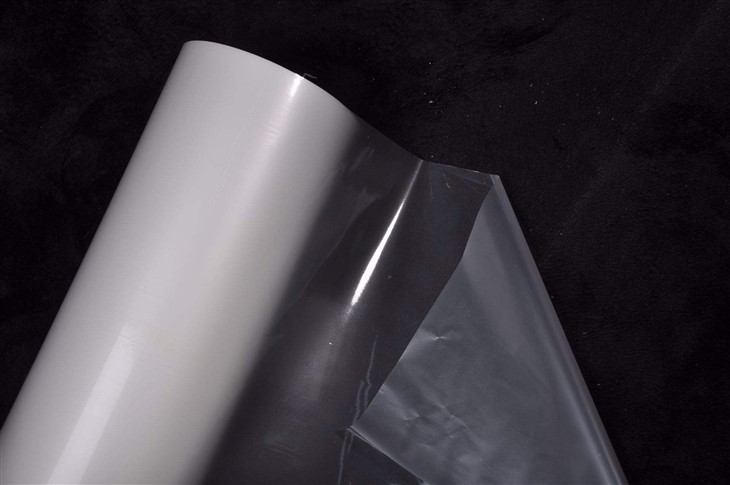

If you're interested in purchasing flexible PU film for your project, I'd love to have a chat with you. Whether you have questions about our products or need help choosing the right type of film, feel free to reach out. We're here to provide you with the best solutions and support.
References
- "Polyurethane Handbook" by G. Oertel
- "Flexible Polyurethane Foams: Chemistry and Technology" by D. R. Raghavan