

As a supplier of PU Transparent FILM, I've encountered numerous challenges and inquiries from clients, especially regarding the film's flexibility at low temperatures. In this blog, I'll share some insights and strategies on how to enhance the flexibility of PU Transparent FILM under cold conditions.
Understanding the Problem
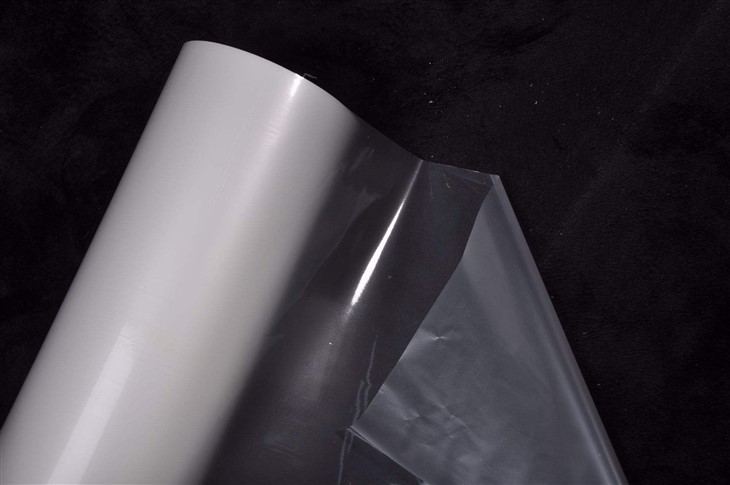
PU Transparent FILM is widely used in various industries due to its excellent transparency, durability, and chemical resistance. However, one of its limitations is its reduced flexibility at low temperatures. When exposed to cold environments, the polymer chains in the PU film become more rigid, leading to brittleness and a higher risk of cracking or breaking.
This issue can be particularly problematic for applications where the film needs to withstand bending, folding, or stretching in cold weather. For example, in outdoor signage, automotive interiors, or protective covers, a lack of flexibility at low temperatures can compromise the performance and longevity of the product.
Factors Affecting Flexibility at Low Temperatures
To address the problem of low - temperature flexibility, it's essential to understand the factors that influence it. Here are some key factors:

1. Polymer Structure
The chemical structure of the polyurethane (PU) polymer plays a crucial role in its low - temperature properties. PUs with a more linear and less cross - linked structure tend to have better flexibility at low temperatures. Cross - linking restricts the movement of polymer chains, making the film more rigid. Therefore, choosing a PU formulation with an appropriate level of cross - linking is important.
2. Plasticizers
Plasticizers are additives that can increase the flexibility of polymers by reducing the intermolecular forces between polymer chains. They act as lubricants, allowing the chains to slide past each other more easily. Selecting the right plasticizer and its concentration is crucial. Some plasticizers may have a negative impact on the transparency or other properties of the PU Transparent FILM, so careful consideration is needed.
3. Soft Segments
PU polymers are typically composed of hard and soft segments. The soft segments, usually made of polyols, contribute to the flexibility of the film. Longer and more flexible soft segments can improve the low - temperature flexibility of the PU film. For example, polyether - based soft segments generally offer better low - temperature performance compared to polyester - based ones.
4. Crystallinity
Crystallinity in the PU film can reduce its flexibility at low temperatures. When the polymer chains arrange themselves in an ordered, crystalline structure, they become more rigid. Controlling the crystallinity of the PU through the choice of raw materials and processing conditions can help maintain flexibility.
Strategies to Improve Flexibility at Low Temperatures
1. Optimize the Polymer Formulation
- Select the Right Polyol: As mentioned earlier, polyether - based polyols tend to provide better low - temperature flexibility than polyester - based ones. Polyether polyols have a more flexible molecular structure, which allows the polymer chains to move more freely at low temperatures.
- Adjust the Cross - Linking Density: Work with your R & D team to find the optimal cross - linking density for your PU Transparent FILM. A lower cross - linking density can enhance flexibility, but it may also affect other properties such as mechanical strength and chemical resistance. Therefore, a balance needs to be struck.
2. Use Appropriate Plasticizers
- Choose Compatible Plasticizers: Select plasticizers that are compatible with the PU polymer and do not affect its transparency. Some common plasticizers for PU include adipates, phthalates, and phosphates. However, due to environmental concerns, there is a growing trend towards using more eco - friendly plasticizers.
- Determine the Optimal Concentration: The amount of plasticizer added to the PU formulation can significantly impact its flexibility. Too little plasticizer may not provide sufficient flexibility, while too much can lead to issues such as plasticizer migration and reduced mechanical properties. Conduct thorough testing to find the optimal concentration.
3. Incorporate Flexibilizing Additives
- Flexibilizing Polymers: Adding small amounts of flexibilizing polymers to the PU formulation can improve its low - temperature flexibility. These polymers can act as compatibilizers and help to reduce the brittleness of the film.
- Nanoparticles: Some nanoparticles, such as silica or clay, can be incorporated into the PU film to improve its mechanical properties and flexibility at low temperatures. The nanoparticles can interact with the polymer chains, enhancing their mobility.
4. Control the Processing Conditions
- Temperature and Pressure: During the film - making process, controlling the temperature and pressure can affect the crystallinity and orientation of the polymer chains. Lower processing temperatures and appropriate pressure can help to reduce crystallinity and improve flexibility.
- Quenching: Quenching the film after extrusion or casting can also help to reduce crystallinity. Rapid cooling can freeze the polymer chains in a more disordered state, preventing them from forming a highly crystalline structure.
Case Study: Improving Flexibility of Pu - Nylon - Film
We once had a client who was using our Pu - Nylon - Film for outdoor sports equipment covers. They reported that the film became brittle and cracked in cold weather. To address this issue, we took the following steps:
- Formulation Adjustment: We switched from a polyester - based polyol to a polyether - based polyol in the PU formulation. This change improved the low - temperature flexibility of the film significantly.
- Plasticizer Optimization: We selected a new, eco - friendly plasticizer and adjusted its concentration to the optimal level. This further enhanced the flexibility of the film without compromising its transparency or other properties.
- Processing Improvement: We optimized the processing conditions, including reducing the extrusion temperature and implementing a quenching step. These changes helped to reduce the crystallinity of the film and improve its overall flexibility.
After these improvements, the client reported that the Pu - Nylon - Film performed much better in cold weather, with no more cracking or brittleness issues.
Conclusion
Enhancing the flexibility of PU Transparent FILM at low temperatures is a complex but achievable goal. By understanding the factors that affect low - temperature flexibility and implementing appropriate strategies, such as optimizing the polymer formulation, using suitable additives, and controlling the processing conditions, we can produce PU films that perform well even in cold environments.
If you're interested in our high - quality PU Transparent FILM or have any questions about improving its low - temperature flexibility, please feel free to contact us for a detailed discussion and potential procurement. We're committed to providing you with the best solutions for your specific needs.
References
- Sperling, L. H. (2006). Introduction to Physical Polymer Science. Wiley - Interscience.
- Oertel, G. (Ed.). (1993). Polyurethane Handbook. Hanser Publishers.
- Mark, J. E. (Ed.). (2007). Physical Properties of Polymers Handbook. Springer.