

Hey there! As a supplier of PU Nylon Film, I've seen firsthand how important it is to store this material properly. In this blog post, I'm gonna share some tips on how to do just that, so you can keep your PU Nylon Film in top-notch condition.
Understanding PU Nylon Film
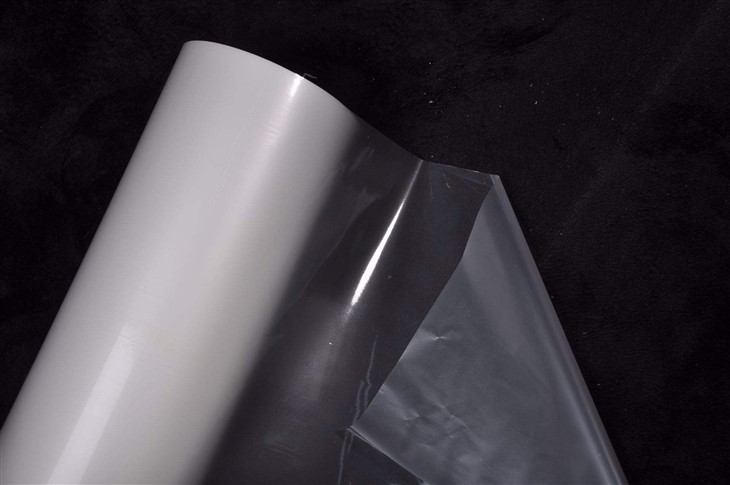
Before we dive into the storage tips, let's quickly go over what PU Nylon Film is. PU Nylon Film is a type of film that combines the properties of polyurethane (PU) and nylon. It's known for its high strength, flexibility, and resistance to abrasion, chemicals, and UV rays. This makes it a popular choice for a wide range of applications, including packaging, automotive, and electronics.
You can check out our PU Transparent FILM and Pu-Nylon-Film products to see the quality we offer.
Storage Environment
The first thing you need to consider when storing PU Nylon Film is the environment. Here are some key factors to keep in mind:
Temperature
PU Nylon Film is sensitive to temperature changes. Extreme heat or cold can cause the film to expand or contract, which can lead to wrinkles, cracks, or other damage. Ideally, you should store the film in a temperature-controlled environment between 20°C and 25°C (68°F and 77°F). Avoid storing the film in areas that are exposed to direct sunlight or near heating or cooling sources.
Humidity
Humidity is another important factor to consider. High humidity can cause the film to absorb moisture, which can lead to mold growth, discoloration, or other issues. On the other hand, low humidity can cause the film to become brittle and prone to cracking. Aim to keep the humidity level between 40% and 60%. You can use a dehumidifier or humidifier to maintain the appropriate humidity level in the storage area.
Ventilation
Proper ventilation is essential to prevent the buildup of moisture and odors in the storage area. Make sure the storage area is well-ventilated and has good air circulation. You can use fans or open windows to improve ventilation.
Cleanliness
Keep the storage area clean and free of dust, dirt, and debris. Dust and dirt can scratch the film surface, while debris can cause punctures or tears. Regularly clean the storage area with a soft, dry cloth or vacuum cleaner.
Storage Containers
The type of storage container you use can also have a big impact on the quality of the PU Nylon Film. Here are some tips on choosing the right storage container:
Material
Choose a storage container made of a material that is compatible with PU Nylon Film. Avoid using containers made of materials that can react with the film, such as metal or certain plastics. Instead, opt for containers made of polyethylene or polypropylene, which are known for their chemical resistance and durability.
Size
The size of the storage container should be appropriate for the size of the film. Avoid using containers that are too large or too small, as this can cause the film to bunch up or become damaged. Make sure the container is large enough to hold the film without stretching or compressing it.

Sealing
Make sure the storage container is properly sealed to prevent dust, dirt, and moisture from getting in. You can use a lid or a sealant to seal the container. If you're storing the film for an extended period of time, you may want to consider using a vacuum-sealed container to further protect the film.
Handling and Storage Practices
In addition to the storage environment and containers, there are also some handling and storage practices you should follow to ensure the quality of the PU Nylon Film. Here are some tips:
Handling
When handling the PU Nylon Film, make sure to wear clean, dry gloves to prevent fingerprints and other contaminants from getting on the film. Avoid touching the film with your bare hands, as the oils and moisture from your skin can damage the film. Use a clean, soft cloth or a plastic spatula to handle the film.
Stacking
If you need to stack the film, make sure to stack it evenly and carefully. Avoid stacking the film too high, as this can cause the film at the bottom to become compressed and damaged. Use spacers or dividers to separate the layers of film and prevent them from sticking together.
Labeling
Label the storage containers with the type of film, the date of storage, and any other relevant information. This will make it easier to identify the film and keep track of its storage history.
Inspection
Regularly inspect the PU Nylon Film for any signs of damage or deterioration. Look for wrinkles, cracks, discoloration, or other issues. If you notice any problems, take appropriate action to address them immediately.
Conclusion
Storing PU Nylon Film properly is essential to maintain its quality and performance. By following the tips outlined in this blog post, you can ensure that your PU Nylon Film stays in top-notch condition for as long as possible.
If you're interested in purchasing PU Nylon Film or have any questions about storage or handling, feel free to contact us. We're here to help you find the right solution for your needs.
References
- "Polyurethane Film: Properties, Applications, and Processing." Journal of Applied Polymer Science, vol. 130, no. 6, 2013, pp. 4136-4146.
- "Nylon Film: Structure, Properties, and Applications." Polymer Engineering and Science, vol. 48, no. 10, 2008, pp. 1913-1920.