

As a supplier of PU Transparent FILM, one of the most frequent questions I encounter from potential clients and industry peers is whether our PU Transparent FILM is resistant to oil. This is a crucial aspect for various applications, especially those in industrial, automotive, and food packaging sectors where contact with oil is common. In this blog, I'll delve into the science behind the oil resistance of our PU Transparent FILM, share real - world examples, and explore how it compares to other similar products in the market.
Understanding PU Transparent FILM
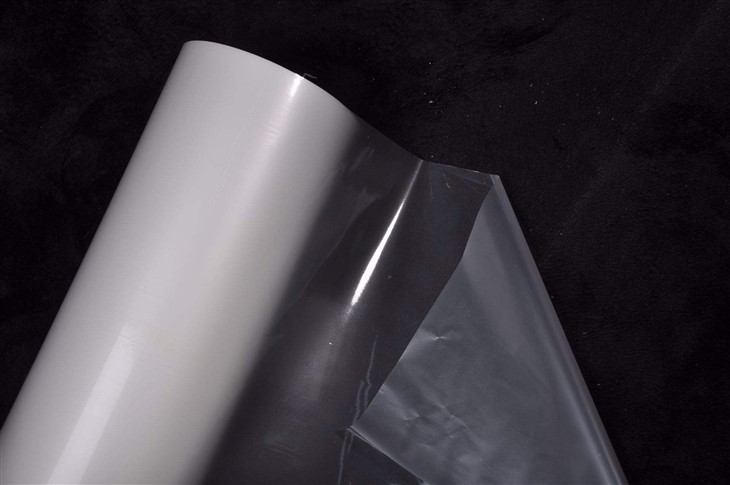
Before we discuss oil resistance, let's first understand what PU Transparent FILM is. It is a type of film made from polyurethane, a versatile polymer known for its excellent mechanical properties, flexibility, and transparency. Polyurethane's molecular structure consists of soft segments and hard segments. The soft segments provide flexibility, while the hard segments contribute to properties like strength and abrasion resistance. Our PU Transparent FILM is engineered to have a balance of these properties to meet the diverse needs of different industries.
The Science of Oil Resistance
The oil resistance of a material depends on its chemical structure and the nature of the oil it comes into contact with. Oils can be classified into different types such as mineral oils, synthetic oils, and vegetable oils, each with unique chemical compositions.
When it comes to our PU Transparent FILM, the chemical structure of polyurethane plays a vital role. Polyurethane has polar groups in its molecular backbone, which can interact with other polar substances. Oils, on the other hand, are generally non - polar or weakly polar. When the film comes into contact with oil, the lack of strong intermolecular forces between the polar polyurethane and non - polar oil prevents the oil from easily penetrating the film.
However, the degree of oil resistance can vary depending on the formulation of the polyurethane. Our R & D team has optimized the formulation of our PU Transparent FILM to enhance its oil - resistant properties. We use special additives and cross - linking agents during the manufacturing process. The cross - linking creates a three - dimensional network structure within the film. This network acts as a physical barrier, making it more difficult for oil molecules to diffuse through the film.

Real - World Applications and Performance
In industrial settings, our PU Transparent FILM has been widely used in machinery covers and protective barriers. For example, in automotive manufacturing plants, where there is a significant presence of lubricating oils and hydraulic fluids, our film is used to protect sensitive electronic components and control panels. Over time, we have received positive feedback from customers, indicating that the film maintains its integrity and transparency even after prolonged exposure to these oils.
In the food packaging industry, our PU Transparent FILM is also a popular choice. It can be used to package oily food products such as nuts, fried snacks, and cheese. The film's oil resistance ensures that the food's flavor and quality are preserved, and there is no migration of oil into the packaging material, which could potentially affect the appearance and safety of the product.
Comparison with Other Films
When compared to other types of films in the market, such as PVC and PE films, our PU Transparent FILM offers superior oil resistance. PVC films, although widely used, can be prone to swelling and degradation when exposed to certain oils. PE films, on the other hand, have lower mechanical strength and may not provide the same level of protection against oil penetration.
Our Pu - Nylon - Film, which is a variation of our PU - based films, also has good oil - resistant properties. The addition of nylon in the film structure enhances its strength and chemical resistance. However, the pure PU Transparent FILM is more flexible and transparent, which makes it a better choice for applications where these properties are crucial.
Factors Affecting Oil Resistance
It's important to note that several factors can affect the oil resistance of our PU Transparent FILM. The type and concentration of the oil are significant factors. For example, highly viscous oils may have a harder time penetrating the film compared to low - viscosity oils. The temperature also plays a role. At higher temperatures, the molecular mobility increases, which can potentially make it easier for oil molecules to diffuse through the film.
The duration of exposure is another factor. Prolonged exposure to oil can gradually reduce the film's performance. However, our PU Transparent FILM is designed to withstand extended exposure to a wide range of oils under normal operating conditions.
Conducting Oil Resistance Tests
To ensure the quality and performance of our PU Transparent FILM, we conduct rigorous oil resistance tests in our laboratory. We immerse samples of the film in different types of oils for a specified period at controlled temperatures. After the immersion period, we evaluate the film's appearance, dimensional stability, and mechanical properties.
We measure the change in weight, thickness, and tensile strength of the film. If there is only a minimal change in these properties, it indicates that the film has good oil resistance. Our laboratory results consistently show that our PU Transparent FILM meets or exceeds industry standards for oil resistance.
Conclusion and Call to Action
In conclusion, our PU Transparent FILM is highly resistant to oil, thanks to its well - engineered chemical structure and optimized manufacturing process. It has proven its performance in various real - world applications and offers significant advantages over other types of films in the market.
If you are in need of a high - quality, oil - resistant film for your industrial, automotive, or food packaging needs, we invite you to contact us for further details and to discuss your specific requirements. Our team of experts is ready to assist you in finding the best solution for your business.
References
- "Polyurethane Handbook" by G. Oertel
- "Plastics Technology Handbook" by Myer Kutz