

As a supplier of PVC Coating Jacquard Fabric, I've often been asked whether this material is suitable for making pillowcases. In this blog, I'll explore the various aspects of PVC Coating Jacquard Fabric and analyze its viability for pillowcase production.
Understanding PVC Coating Jacquard Fabric
Before delving into its suitability for pillowcases, let's first understand what PVC Coating Jacquard Fabric is. This fabric combines the intricate patterns of jacquard weaving with the protective and functional properties of PVC coating. The jacquard weaving technique allows for the creation of complex and detailed designs, from simple geometric patterns to elaborate floral motifs. Meanwhile, the PVC coating adds a layer of durability, water - resistance, and enhanced strength to the fabric.
The PVC coating on the fabric is typically made from polyvinyl chloride, a synthetic plastic polymer. This coating can be applied in different thicknesses and finishes, depending on the desired characteristics of the final product. For instance, a thinner coating may be used for a more flexible and lightweight fabric, while a thicker coating can provide greater protection and sturdiness.
Advantages of Using PVC Coating Jacquard Fabric for Pillowcases
Durability
One of the most significant advantages of PVC Coating Jacquard Fabric is its durability. Pillowcases made from this fabric are likely to withstand the rigors of regular use, including frequent washing and friction against the pillow and the user's head. The PVC coating acts as a shield, protecting the fabric from wear and tear, and preventing it from fraying or developing holes over time. This means that pillowcases made from PVC Coating Jacquard Fabric can have a longer lifespan compared to those made from traditional fabrics, providing better value for money in the long run.
Water - Resistance
The water - resistant property of PVC Coating Jacquard Fabric is another benefit when it comes to pillowcases. Spills, such as sweat or drinks, are common occurrences on pillowcases. With a PVC - coated fabric, these spills can be easily wiped off, preventing them from seeping into the fabric and causing stains or unpleasant odors. This makes the pillowcases easier to clean and maintain, ensuring a hygienic sleeping environment.
Design Versatility
The jacquard weaving technique used in PVC Coating Jacquard Fabric offers endless design possibilities. Pillowcases can be customized with a wide range of patterns and colors, allowing for a high degree of personalization. Whether you're looking for a classic, elegant design or a bold, modern look, PVC Coating Jacquard Fabric can meet your aesthetic requirements. This versatility makes it suitable for various interior design styles, from traditional to contemporary.
Easy to Clean
Cleaning pillowcases made from PVC Coating Jacquard Fabric is relatively straightforward. Unlike some natural fabrics that may require special cleaning methods, PVC - coated fabrics can usually be cleaned with a mild detergent and water. In many cases, a simple wipe - down with a damp cloth is sufficient to remove dirt and stains. This ease of cleaning not only saves time and effort but also reduces the need for harsh chemicals, which is better for both the environment and the user's health.
Disadvantages of Using PVC Coating Jacquard Fabric for Pillowcases
Breathability
One of the main drawbacks of PVC Coating Jacquard Fabric is its relatively poor breathability. The PVC coating creates a barrier that restricts the flow of air through the fabric. This can lead to a warmer and more humid sleeping environment, which may be uncomfortable for some users, especially those who tend to sleep hot. Over time, the lack of breathability can also contribute to the growth of bacteria and fungi, which can cause unpleasant odors and potential health issues.
Softness
Compared to natural fabrics such as cotton or silk, PVC Coating Jacquard Fabric may not be as soft to the touch. The PVC coating can give the fabric a slightly stiff or plasticky feel, which may not be ideal for direct contact with the skin. This lack of softness can be a deterrent for some consumers who prioritize comfort when choosing pillowcases.
Environmental Impact
PVC is a synthetic material that has a significant environmental impact. The production of PVC involves the use of toxic chemicals, and the disposal of PVC products can release harmful substances into the environment. Additionally, PVC is not biodegradable, which means that pillowcases made from PVC Coating Jacquard Fabric will remain in landfills for a long time. As consumers become more environmentally conscious, this may be a concern when considering using this fabric for pillowcases.
Alternatives and Compromises
If the breathability and softness of PVC Coating Jacquard Fabric are major concerns, there are some alternatives and compromises that can be considered.
One option is to use a blend of PVC Coating Jacquard Fabric with a more breathable and soft fabric, such as cotton. This can help to improve the overall comfort of the pillowcase while still retaining some of the benefits of the PVC coating, such as durability and water - resistance. Another alternative is to use a thinner PVC coating, which may allow for better air circulation and a softer feel.
Conclusion
In conclusion, PVC Coating Jacquard Fabric has both advantages and disadvantages when it comes to making pillowcases. Its durability, water - resistance, design versatility, and easy cleaning make it an attractive option for some consumers. However, its poor breathability, lack of softness, and environmental impact are factors that need to be considered.

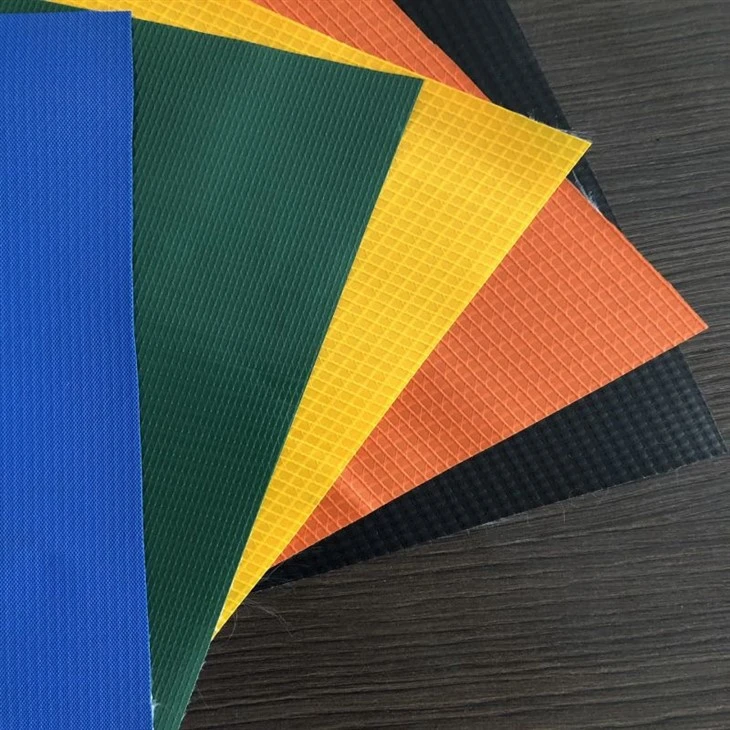
As a supplier of PVC Coating Jacquard Fabric, I understand the importance of providing high - quality products that meet the diverse needs of our customers. We offer a range of PVC Coating Jacquard Fabrics with different coating thicknesses and designs, allowing you to choose the most suitable option for your pillowcase production. If you're interested in exploring our PVC Camouflage Fabric, PVC Laminated Mesh Fabric, or PVC Polyester Fabric, please don't hesitate to contact us for more information and to discuss your specific requirements. We're always ready to assist you in finding the perfect fabric for your projects.
References
- Textile Institute. (2023). Handbook of Textile Fibres. Woodhead Publishing.
- ASTM International. (2022). Standards for Textile Testing. ASTM Publications.
- Environmental Protection Agency. (2021). The Environmental Impact of Synthetic Plastics. EPA Reports.