

Hey there! I'm a supplier of PU Film, and today I want to have an open and honest chat about the disadvantages of PU Film. Now, don't get me wrong, PU Film has a ton of great features and is used in a wide range of industries, but like anything, it's not without its drawbacks.
1. Environmental Concerns
One of the biggest issues with PU Film is its environmental impact. PU, or polyurethane, is a synthetic polymer. The production process of PU Film involves the use of various chemicals, some of which can be harmful to the environment. For example, the isocyanates used in PU production are known to be toxic. They can cause respiratory problems if inhaled during the manufacturing process, and they also pose a risk to water sources if not properly managed.
Moreover, PU Film is not biodegradable. Once it's discarded, it can sit in landfills for hundreds of years, taking up space and contributing to the growing problem of plastic waste. In today's world, where environmental sustainability is becoming increasingly important, this is a major drawback. Many consumers and businesses are now looking for more eco - friendly alternatives, and the non - biodegradability of PU Film can be a deal - breaker for them.
2. Cost
PU Film can be relatively expensive compared to some other types of films. The raw materials used in its production, as well as the manufacturing process itself, require a significant investment. The chemicals used in making PU Film are often costly, and the production process needs to be carefully controlled to ensure the quality of the final product.

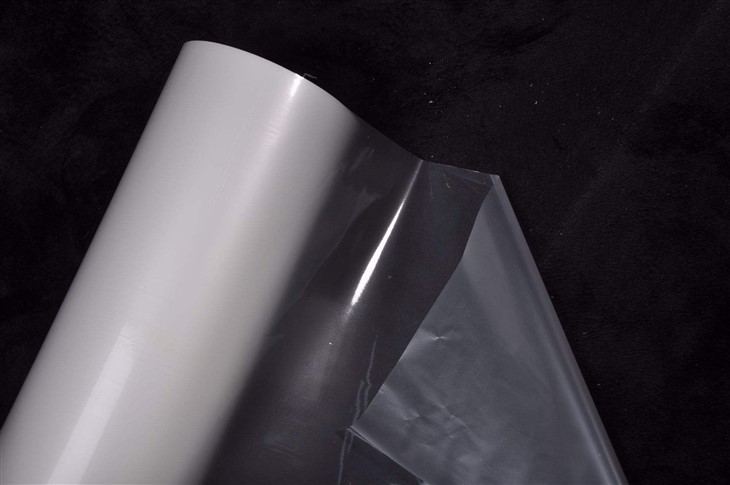
For small businesses or those on a tight budget, the high cost of PU Film can be a deterrent. They might opt for cheaper alternatives, even if those alternatives don't offer the same level of performance. This can limit the market for PU Film, especially in price - sensitive industries.
3. Durability in Extreme Conditions
While PU Film is generally quite durable, it does have its limitations when it comes to extreme conditions. In very high - temperature environments, PU Film can start to degrade. The polymer structure can break down, causing the film to lose its strength and flexibility. This can be a problem in applications where the film is exposed to direct sunlight or high - heat machinery.
On the other hand, in extremely cold temperatures, PU Film can become brittle. It loses its elasticity, and there's a higher risk of cracking or tearing. For example, in outdoor applications in cold climates, the film might not be able to withstand the harsh winter conditions, leading to premature failure.
4. Chemical Resistance
Although PU Film has good resistance to many chemicals, it's not resistant to all of them. Some solvents, acids, and alkalis can react with the film, causing it to swell, discolor, or even dissolve. This can be a problem in industries where the film is likely to come into contact with a variety of chemicals, such as the chemical processing or automotive industries.
For instance, if a PU Film is used in a chemical storage facility and accidentally comes into contact with a corrosive chemical, it can quickly deteriorate, which can lead to safety hazards and the need for frequent replacement.
5. Adhesion Issues
In some cases, getting PU Film to adhere properly to other materials can be a challenge. The surface energy of PU Film can vary depending on its formulation, and if it's not compatible with the surface it's supposed to stick to, the adhesion can be weak. This can result in the film peeling off or delaminating over time.
For applications where a strong bond is essential, such as in laminating processes or in the production of composite materials, these adhesion issues can be a major problem. Special surface treatments or adhesives might be required to improve the adhesion, which adds to the cost and complexity of the manufacturing process.
6. Limited Breathability
PU Film is not very breathable. This means that it doesn't allow air or moisture to pass through easily. In applications where breathability is important, such as in the production of clothing or footwear, this can be a significant drawback.
For example, if a pair of shoes is lined with PU Film, the feet can become sweaty and uncomfortable because the moisture can't escape. This can lead to a breeding ground for bacteria and unpleasant odors. In the clothing industry, non - breathable PU Film can make the wearer feel hot and sticky, reducing the overall comfort of the garment.
Conclusion
As a supplier of PU Film, I understand that these disadvantages might seem like a big deal. But it's important to note that in many applications, the advantages of PU Film far outweigh the drawbacks. It has excellent abrasion resistance, good flexibility, and can be customized to meet different requirements.
If you're still interested in exploring the possibilities of using Pu-Nylon-Film or PU Transparent FILM for your projects, I'd be more than happy to have a chat with you. We can discuss how to mitigate these disadvantages and find the best solution for your specific needs. Whether you're in the automotive, textile, or any other industry, we can work together to make the most of PU Film's unique properties.
So, if you're thinking about purchasing PU Film, don't hesitate to reach out. Let's have a discussion and see if it's the right fit for you.
References
- "Polyurethane Handbook" by G. Oertel
- "Plastics Technology: An Introduction" by David V. Rosato