

When it comes to plastic films, PVC (Polyvinyl Chloride) and PE (Polyethylene) are two of the most commonly used materials in various industries. As a PVC Film supplier, I often encounter customers who are confused about the differences between these two types of films. In this blog post, I'll break down the key distinctions to help you make an informed decision for your specific needs.
Composition and Structure
PVC film is made from polyvinyl chloride, a synthetic plastic polymer. It is created through the polymerization of vinyl chloride monomers. PVC can be formulated with various additives such as plasticizers, stabilizers, and pigments to enhance its properties. These additives give PVC film its flexibility, durability, and resistance to chemicals and weathering.
On the other hand, PE film is derived from polyethylene, which is produced by the polymerization of ethylene monomers. There are different types of PE, including Low-Density Polyethylene (LDPE), High-Density Polyethylene (HDPE), and Linear Low-Density Polyethylene (LLDPE). Each type has unique characteristics based on its molecular structure and density. For example, LDPE is known for its high flexibility and transparency, while HDPE offers greater strength and stiffness.
Physical Properties
Transparency and Appearance
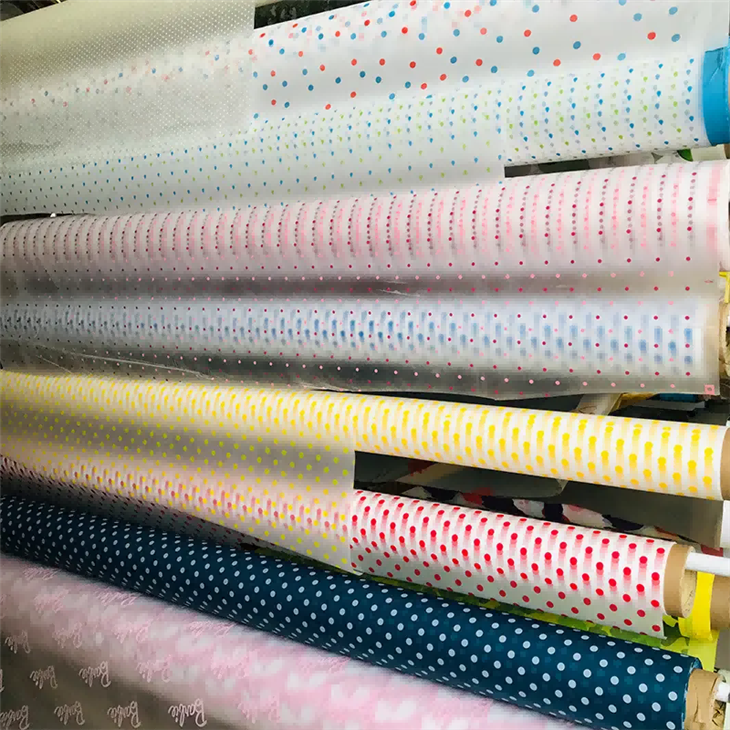
PVC film can be produced with high transparency, making it suitable for applications where visibility of the packaged product is important. It can also be made in various colors and finishes, such as gloss or Matte PVC Film in Roll. The matte finish provides a non - reflective surface, which is often preferred for aesthetic reasons in packaging or display applications.
PE film also offers good transparency, especially in the case of LDPE. However, the clarity of PE film may not be as high as that of PVC film in some cases. The appearance of PE film is generally more natural and less glossy compared to PVC, which can be an advantage or disadvantage depending on the application.
Flexibility and Stiffness
PVC film is highly flexible and can be easily bent, folded, or shaped without cracking. This makes it ideal for applications such as shrink wrapping, where the film needs to conform to the shape of the product. By adjusting the amount of plasticizers, the flexibility of PVC film can be precisely controlled.
PE film has a wide range of flexibility depending on its type. LDPE is very flexible and stretchable, which is why it is commonly used in applications like plastic bags. HDPE, on the other hand, is stiffer and more rigid, making it suitable for applications that require structural support, such as containers and pipes.
Strength and Durability
PVC film is known for its excellent strength and durability. It has good resistance to abrasion, punctures, and tearing, which makes it suitable for heavy - duty packaging and industrial applications. PVC film can also withstand harsh environmental conditions, including exposure to sunlight, moisture, and chemicals.
PE film also offers decent strength, but its performance may vary depending on the type. HDPE has relatively high tensile strength and is more resistant to punctures compared to LDPE. However, in general, PVC film tends to be more durable in challenging environments compared to PE film.
Chemical Resistance
PVC film has excellent chemical resistance. It is resistant to many acids, alkalis, and organic solvents. This makes it suitable for packaging products that may be in contact with chemicals, such as cleaning agents, cosmetics, and pharmaceuticals.
PE film has moderate chemical resistance. It is resistant to water, most salts, and weak acids and alkalis. However, it may be attacked by some organic solvents, especially at elevated temperatures. Therefore, when dealing with products that require high - level chemical resistance, PVC film is often the better choice.

Environmental Impact
The environmental impact of PVC and PE films is a significant consideration. PVC production involves the use of chlorine, and the disposal of PVC products can release toxic substances such as dioxins when burned. However, modern PVC production processes have become more environmentally friendly, and efforts are being made to recycle PVC film.
PE film is generally considered more environmentally friendly than PVC. It is made from petroleum - based materials, but it can be recycled more easily in some cases. However, like all plastics, PE film also contributes to the global plastic waste problem if not properly managed.
Applications
PVC Film Applications
- Packaging: PVC film is widely used in food packaging, blister packs, and shrink wrapping. Its high clarity, flexibility, and printability make it an ideal choice for showcasing products and protecting them from damage. For example, Top-grad-printing-pvc-film-in-roll is often used for high - quality printed packaging.
- Advertising and Display: PVC film is commonly used for banners, signs, and window displays. Its ability to be printed with vibrant colors and its durability make it suitable for outdoor and indoor advertising applications.
- Medical and Healthcare: PVC film is used in medical applications such as blood bags, IV bags, and medical device packaging due to its chemical resistance and flexibility.
PE Film Applications
- Packaging: PE film is the most common material for plastic bags, including grocery bags, trash bags, and produce bags. Its flexibility, low cost, and good moisture resistance make it a popular choice for everyday packaging needs.
- Agriculture: PE film is used in agriculture for applications such as greenhouse covers, mulch films, and silage bags. It helps to protect crops from the elements, control soil temperature and moisture, and preserve animal feed.
- Industrial and Construction: HDPE film is used in industrial applications such as geomembranes for landfill liners and pond liners. Its strength and chemical resistance make it suitable for protecting the environment from contamination.
Cost
In general, PE film is often less expensive than PVC film. The raw materials for PE production are more abundant and less costly compared to PVC. Additionally, the production process of PE film is relatively simpler, which also contributes to its lower cost. However, the final cost of the film also depends on factors such as thickness, quality, and quantity ordered.
Conclusion
In summary, both PVC and PE films have their own unique characteristics, advantages, and disadvantages. PVC film offers high transparency, excellent flexibility, strength, and chemical resistance, making it suitable for a wide range of applications, especially those that require high - quality packaging and display. PE film is more cost - effective, environmentally friendly in some aspects, and has a wide range of applications in everyday packaging and agriculture.
As a PVC Film supplier, I can provide you with high - quality PVC Plastic Film that meets your specific requirements. Whether you need a film for packaging, advertising, or other applications, I can offer you the right solution. If you are still unsure which type of film is best for your project, feel free to contact me. I'll be happy to discuss your needs in detail and help you make the best choice.
References
- ASTM International Standards on Plastic Films
- Plastics Europe - Industry Association Publications
- Journal of Plastic Science and Technology