

As a PU film supplier, I often encounter questions from customers regarding the flame retardancy of PU film. Flame retardancy is a crucial property, especially in applications where safety is a top priority. In this blog post, I will delve into what flame retardancy of PU film is, how it is achieved, its significance, and the various factors that influence it.
Understanding Flame Retardancy
Flame retardancy refers to the ability of a material to resist ignition, slow down the spread of fire, and reduce the intensity of a fire. When it comes to PU film, flame - retardant properties are essential in many industries such as automotive, construction, and electronics. A flame - retardant PU film can help prevent fires from starting or spreading rapidly, which can save lives and property.
In the context of PU film, flame retardancy is not about making the film completely non - flammable. Instead, it aims to delay the ignition of the film when exposed to a heat source and reduce the rate at which it burns. This can buy valuable time for people to evacuate a building or for firefighters to control a fire.
How Flame Retardancy in PU Film is Achieved
There are several methods to achieve flame retardancy in PU film. One common approach is the use of flame - retardant additives. These additives can be incorporated into the PU resin during the manufacturing process. There are different types of flame - retardant additives, including halogen - based, phosphorus - based, and nitrogen - based additives.
Halogen - based additives, such as brominated and chlorinated compounds, have been widely used in the past due to their high effectiveness. They work by releasing halogen radicals when exposed to heat, which react with the free radicals in the combustion process, thereby interrupting the chain reaction and suppressing the fire. However, halogen - based additives have raised environmental and health concerns because they can release toxic and corrosive gases when burned.
Phosphorus - based additives are an alternative. They work by forming a char layer on the surface of the PU film when heated. This char layer acts as a barrier, preventing oxygen from reaching the underlying material and reducing the heat transfer. Phosphorus - based additives are generally considered more environmentally friendly than halogen - based ones.
Nitrogen - based additives also contribute to flame retardancy. They decompose at high temperatures, releasing nitrogen gas, which dilutes the oxygen in the combustion zone and reduces the flammability of the material.
Another method to enhance flame retardancy is through surface treatment. A flame - retardant coating can be applied to the surface of the PU film. This coating can act as a physical barrier, protecting the film from direct contact with the heat source and reducing the spread of fire.
Significance of Flame Retardancy in Different Applications
Automotive Industry
In the automotive industry, PU film is used for various interior applications, such as seat covers, dashboard trim, and door panels. Flame - retardant PU film is essential to meet safety regulations. In the event of a fire, a flame - retardant PU film can slow down the spread of fire inside the vehicle, giving passengers more time to escape.
Construction Industry
In construction, PU film is used for insulation, roofing membranes, and decorative purposes. Flame - retardant PU film can help prevent the spread of fire from one part of a building to another. It is particularly important in high - rise buildings and public facilities, where fire safety is a major concern.

Electronics Industry
PU film is used in electronics for cable insulation, circuit board protection, and display screens. Flame - retardant PU film can prevent electrical fires from spreading and causing damage to expensive electronic equipment. It also helps meet the strict safety standards set by regulatory bodies in the electronics industry.
Factors Influencing Flame Retardancy of PU Film
Additive Concentration
The concentration of flame - retardant additives in the PU film plays a significant role in determining its flame - retardant performance. Generally, a higher concentration of additives leads to better flame - retardant properties. However, there is a limit to the amount of additives that can be added. Excessive additives can affect the mechanical properties of the PU film, such as its flexibility, strength, and adhesion.
Film Thickness
The thickness of the PU film also affects its flame - retardancy. Thicker films tend to have better flame - retardant performance because they provide more material to resist the heat and slow down the spread of fire. However, thicker films may not be suitable for all applications, especially those where weight and flexibility are important factors.
Chemical Composition of the PU Resin
The chemical composition of the PU resin itself can influence the flame - retardancy of the film. Different types of PU resins have different flammability characteristics. For example, some PU resins may have a higher oxygen index, which means they are more resistant to ignition. The choice of raw materials and the formulation of the PU resin can be optimized to enhance the flame - retardant properties of the film.
Our PU Film Offerings with Flame Retardancy
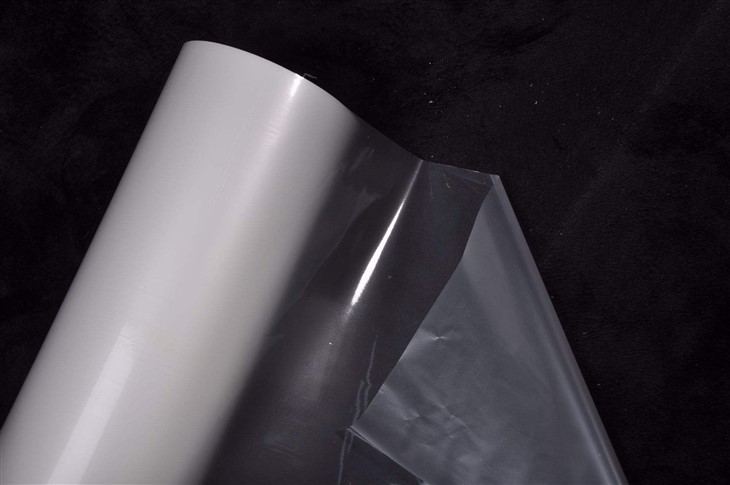
At our company, we offer a range of Pu - Nylon - Film and PU Transparent FILM with excellent flame - retardant properties. Our products are formulated using the latest flame - retardant technologies to ensure high performance and compliance with international safety standards.
Our flame - retardant PU films are tested rigorously in our state - of - the - art laboratories. We use advanced testing methods to evaluate their ignition time, flame spread rate, and heat release rate. This ensures that our customers receive products that meet their specific safety requirements.
Whether you are in the automotive, construction, or electronics industry, our flame - retardant PU films can provide the safety and performance you need. Our team of experts is always ready to assist you in selecting the right product for your application.
Conclusion
Flame retardancy is a vital property of PU film, especially in applications where fire safety is crucial. By understanding how flame retardancy is achieved, its significance in different industries, and the factors that influence it, customers can make informed decisions when choosing PU film products.
If you are interested in our flame - retardant Pu - Nylon - Film or PU Transparent FILM, please feel free to contact us for more information and to discuss your specific requirements. We look forward to the opportunity to work with you and provide you with high - quality PU film solutions.
References
- Weil, E. D., & Levchik, S. V. (Eds.). (2009). Flame retardancy of polymeric materials. CRC press.
- Horrocks, A. R., & Price, D. (Eds.). (2001). Fire retardancy of polymers: New strategies and mechanisms. Royal Society of Chemistry.