

Flexibility is a crucial characteristic that significantly impacts the performance and application scope of materials. As a leading supplier of PU Nylon Film, I am delighted to delve into the topic of "What is the flexibility of PU Nylon Film?" in this blog post. Through a comprehensive exploration, we aim to provide a detailed understanding of the flexibility of this remarkable material, its influencing factors, and its diverse applications.
Understanding the Flexibility of PU Nylon Film
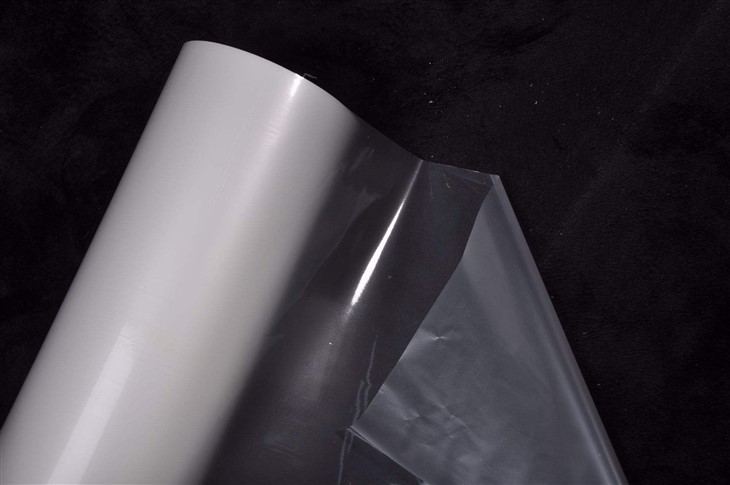
Flexibility refers to the ability of a material to bend, stretch, or deform under an applied force and return to its original shape without significant damage or permanent deformation. In the case of PU Nylon Film, its flexibility is a result of the unique combination of polyurethane (PU) and nylon polymers.
Polyurethane is known for its excellent elasticity and resilience, which allows it to stretch and recover easily. Nylon, on the other hand, provides strength and durability. The combination of these two polymers in PU Nylon Film creates a material that offers both flexibility and mechanical integrity.
The flexibility of PU Nylon Film can be measured in several ways, including tensile strength, elongation at break, and modulus of elasticity. Tensile strength is the maximum stress a material can withstand before breaking, while elongation at break is the percentage increase in length a material can achieve before breaking. The modulus of elasticity measures the stiffness of a material and is defined as the ratio of stress to strain.
Factors Influencing the Flexibility of PU Nylon Film
Several factors can influence the flexibility of PU Nylon Film, including the composition of the polymers, the manufacturing process, and the environmental conditions.
Polymer Composition
The ratio of polyurethane to nylon in the film can significantly affect its flexibility. A higher proportion of polyurethane generally results in a more flexible film, while a higher proportion of nylon can increase the strength and stiffness of the film. Additionally, the type of polyurethane and nylon used can also impact the flexibility of the film.
Manufacturing Process
The manufacturing process can also play a crucial role in determining the flexibility of PU Nylon Film. The temperature, pressure, and speed at which the film is produced can all affect its physical properties. For example, a film that is produced at a higher temperature may be more flexible than one produced at a lower temperature.

Environmental Conditions
The environmental conditions in which the PU Nylon Film is used can also impact its flexibility. Temperature, humidity, and exposure to chemicals or UV radiation can all affect the physical properties of the film over time. For example, a film that is exposed to high temperatures for an extended period may become more brittle and less flexible.
Applications of PU Nylon Film Based on Its Flexibility
The flexibility of PU Nylon Film makes it suitable for a wide range of applications across various industries. Some of the common applications of PU Nylon Film include:
Packaging
PU Nylon Film is widely used in the packaging industry due to its flexibility and excellent barrier properties. It can be used to package a variety of products, including food, pharmaceuticals, and electronics. The flexibility of the film allows it to conform to the shape of the product, providing a tight and secure seal.
Textiles
In the textile industry, PU Nylon Film is used as a laminate or coating for fabrics. The flexibility of the film allows it to move with the fabric, providing comfort and durability. It can be used in applications such as sportswear, outdoor clothing, and protective gear.
Medical
PU Nylon Film is also used in the medical industry due to its flexibility and biocompatibility. It can be used in applications such as wound dressings, medical packaging, and disposable medical devices. The flexibility of the film allows it to conform to the body, providing a comfortable and secure fit.
Automotive
In the automotive industry, PU Nylon Film is used for interior trim, upholstery, and protective covers. The flexibility of the film allows it to conform to the shape of the vehicle, providing a high-quality and durable finish. It can also be used in applications such as airbags and seat covers.
Advantages of Using PU Nylon Film
In addition to its flexibility, PU Nylon Film offers several other advantages that make it a popular choice for various applications. Some of the advantages of using PU Nylon Film include:
Excellent Barrier Properties
PU Nylon Film provides excellent barrier properties against oxygen, moisture, and other gases. This makes it suitable for applications where product protection is crucial, such as food packaging and pharmaceutical packaging.
High Strength and Durability
Despite its flexibility, PU Nylon Film is also strong and durable. It can withstand high levels of stress and strain without tearing or breaking, making it suitable for applications where durability is important.
Chemical Resistance
PU Nylon Film is resistant to a wide range of chemicals, including oils, solvents, and acids. This makes it suitable for applications where exposure to chemicals is likely, such as in the automotive and industrial sectors.
Printability
PU Nylon Film can be easily printed using a variety of printing methods, including flexography, gravure, and digital printing. This makes it suitable for applications where branding and product information are important, such as in packaging and labeling.
Conclusion
In conclusion, the flexibility of PU Nylon Film is a key characteristic that makes it a versatile and valuable material for a wide range of applications. The unique combination of polyurethane and nylon polymers, along with the manufacturing process and environmental conditions, all contribute to the flexibility of the film. Whether you are in the packaging, textile, medical, or automotive industry, PU Nylon Film offers a solution that meets your specific needs.
If you are interested in learning more about our Pu-Nylon-Film or our other PU Transparent FILM products, please feel free to contact us for more information and to discuss your specific requirements. We look forward to the opportunity to work with you and provide you with the highest quality products and services.
References
- "Polyurethane and Nylon Polymers: Properties and Applications" - Polymer Science Journal
- "Flexibility Testing of Polymer Films" - ASTM International Standards
- "Applications of PU Nylon Film in Various Industries" - Industry Reports and Market Analysis