

What is the gas permeability of PVC film? As a PVC film supplier, I often get asked this question by customers. Gas permeability is a crucial property, especially when it comes to applications where the film needs to act as a barrier against gases. In this blog, I'll break down what gas permeability means for PVC film and how it impacts different uses.
To start with, gas permeability refers to the rate at which a gas will pass through a material. In the case of PVC film, it's about how easily gases like oxygen, carbon dioxide, and nitrogen can move through the film. This property is measured in units like cc/(m²·day·atm), which tells you how many cubic centimeters of a gas will pass through a square meter of the film in a day under a pressure difference of one atmosphere.
The gas permeability of PVC film can vary depending on a few factors. One of the main factors is the thickness of the film. Generally, thicker PVC films have lower gas permeability. That's because the gas molecules have to travel through a greater distance, making it more difficult for them to pass through. For example, a thin PVC film might have a relatively high oxygen permeability, which could be a problem if you're using it to package food that needs to be protected from oxidation.
Another factor is the formulation of the PVC. Different additives and plasticizers can affect how tightly the PVC molecules are packed together. If the molecules are tightly packed, it's harder for gas molecules to squeeze through, resulting in lower gas permeability. Some PVC films are specially formulated to have low gas permeability, which makes them ideal for applications like food packaging and medical device packaging.
Let's talk about some of the common applications of PVC film and how gas permeability plays a role in each one.
Food Packaging
In food packaging, gas permeability can make or break the quality of the product. Oxygen can cause food to spoil, so you want a film that has low oxygen permeability. PVC film can be a great choice for this, especially when it's formulated correctly. For example, our PVC Clear Film is a popular option for food packaging because it offers a good balance of clarity and gas barrier properties. It allows consumers to see the product inside while still protecting it from oxygen and other gases.
Medical Packaging
Medical devices and pharmaceuticals need to be protected from contamination and degradation. Gas permeability is an important consideration here as well. A film with low gas permeability can help keep out oxygen, moisture, and other gases that could potentially damage the contents. Our Matte PVC Film in Roll is often used in medical packaging because it provides a reliable gas barrier and has a smooth, matte finish that is easy to print on.
Greenhouse Covering
In the agricultural industry, PVC film is used as a greenhouse covering. The gas permeability of the film can affect the microclimate inside the greenhouse. For example, a film with the right amount of carbon dioxide permeability can help regulate the carbon dioxide levels inside the greenhouse, which is essential for plant growth. Our High Transparency PVC Film in Roll is a great option for greenhouse covering because it offers high transparency, which allows maximum sunlight to enter the greenhouse, and it also has suitable gas permeability properties.

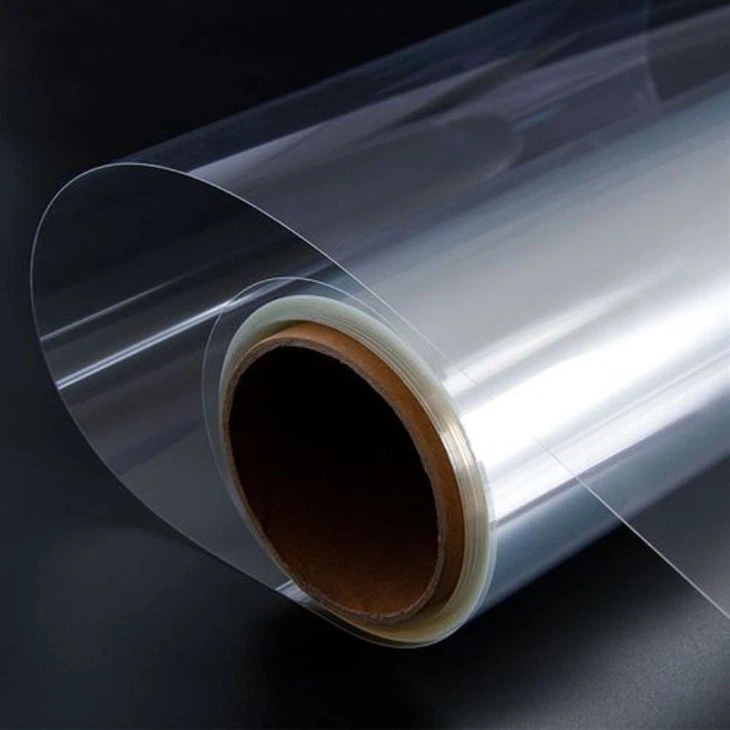
Measuring the gas permeability of PVC film is an important part of quality control. There are several methods available, such as the manometric method and the coulometric method. These methods involve creating a controlled environment with a pressure difference across the film and measuring the amount of gas that passes through it over a specific period of time. By testing the gas permeability of our PVC films regularly, we can ensure that they meet the required standards for different applications.
As a PVC film supplier, we understand the importance of gas permeability in different industries. That's why we offer a wide range of PVC films with varying gas permeability properties to meet the specific needs of our customers. Whether you need a film with low gas permeability for food packaging or a film with suitable gas permeability for greenhouse covering, we've got you covered.
If you're interested in learning more about our PVC films and how their gas permeability can benefit your application, don't hesitate to contact us for a procurement discussion. We're here to help you find the perfect PVC film solution for your business.
References
- ASTM D1434 - Standard Test Method for Determining Gas Permeability Characteristics of Plastic Film and Sheeting
- ISO 15105 - Plastics — Film and sheeting — Determination of gas transmission rate
- "Packaging Materials: Properties and Selection" by John M. Kelsey