

Stiffness is a crucial mechanical property that significantly influences the performance and application of plastic nylon fabric. As a supplier of Plastic Nylon Fabric, understanding and effectively communicating the concept of stiffness is essential for our customers to make informed decisions. In this blog, we will delve into what stiffness means in the context of plastic nylon fabric, how it is measured, the factors affecting it, and its implications for various applications.
What is Stiffness in Plastic Nylon Fabric?
Stiffness in plastic nylon fabric refers to its resistance to bending or deformation under an applied force. It is a measure of how rigid or flexible the fabric is. A stiffer fabric will maintain its shape better and be less likely to bend or drape easily, while a more flexible fabric will be more pliable and can conform to different shapes.
The stiffness of plastic nylon fabric is determined by its internal structure and the interactions between its molecular chains. Nylon is a synthetic polymer composed of long-chain molecules. The arrangement and bonding of these molecules play a vital role in determining the fabric's stiffness. For example, if the molecular chains are highly oriented and have strong intermolecular forces, the fabric will generally be stiffer.
Measuring the Stiffness of Plastic Nylon Fabric
There are several methods to measure the stiffness of plastic nylon fabric. One common method is the cantilever test. In this test, a rectangular specimen of the fabric is placed on a horizontal platform, and one end is allowed to overhang. The length of the overhang at which the fabric bends to a specified angle (usually 41.5 degrees) is measured. The longer the overhang, the stiffer the fabric.

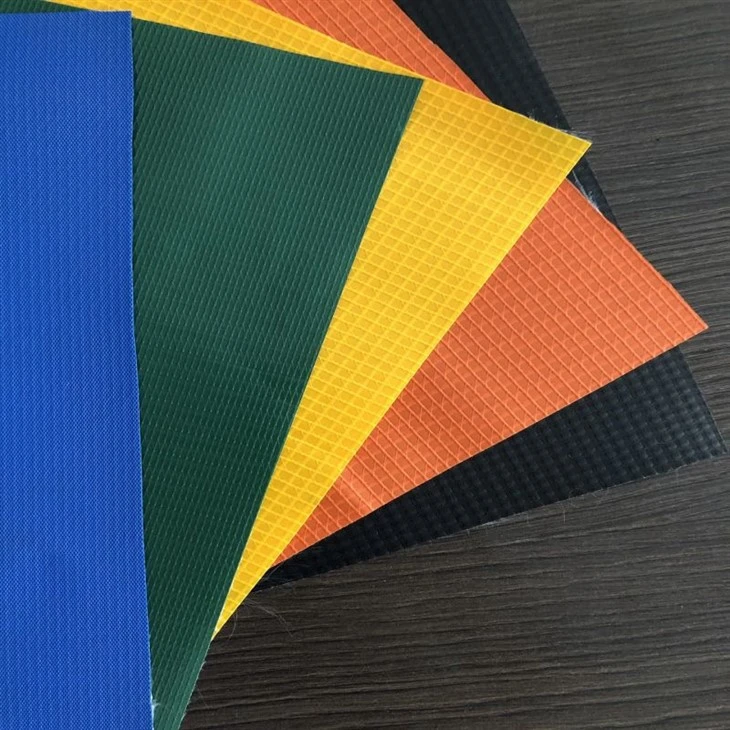
Another method is the circular bend test. In this test, a circular specimen of the fabric is placed on a circular platform, and a plunger is used to apply a force at the center of the specimen. The force required to bend the fabric to a certain depth is measured, and this force is an indication of the fabric's stiffness.
Factors Affecting the Stiffness of Plastic Nylon Fabric
Fiber Properties
The type and properties of the nylon fibers used in the fabric have a significant impact on its stiffness. Nylon fibers come in different deniers (a measure of fiber fineness). Generally, coarser fibers (higher denier) result in a stiffer fabric because they have more mass per unit length and can resist bending more effectively.
The molecular structure of the nylon also affects stiffness. For example, nylon 6 and nylon 6,6 have slightly different molecular structures, which can lead to differences in stiffness. Nylon 6,6 typically has a more crystalline structure, which can result in a stiffer fabric compared to nylon 6.
Fabric Construction
The way the fabric is constructed, such as the weave or knit pattern, also influences its stiffness. A plain weave fabric, where the warp and weft yarns alternate over and under each other in a simple pattern, is generally stiffer than a fabric with a more open or loose weave, such as a leno weave.
In knitted fabrics, the stitch type and the tightness of the knit can affect stiffness. A tightly knitted fabric will be stiffer than a loosely knitted one.
Chemical Treatments
Chemical treatments can be applied to plastic nylon fabric to modify its stiffness. For example, coatings can be applied to the fabric. A PVC Laminated Mesh Fabric is a type of plastic nylon fabric that has a PVC coating. The PVC coating can increase the stiffness of the fabric, as it adds an additional layer of material that resists bending.
Similarly, Raincoat Fabric with PVC Coating and PVC Coating Taffeta Fabric also have PVC coatings that can enhance their stiffness and provide additional properties such as water resistance.
Environmental Conditions
The stiffness of plastic nylon fabric can also be affected by environmental conditions. Temperature and humidity can have an impact on the fabric's mechanical properties. At higher temperatures, the fabric may become more flexible as the intermolecular forces between the nylon molecules weaken. Conversely, at lower temperatures, the fabric may become stiffer.
Humidity can also affect the stiffness of the fabric. Nylon is a hygroscopic material, which means it can absorb moisture from the air. When the fabric absorbs moisture, the water molecules can act as plasticizers, reducing the intermolecular forces between the nylon molecules and making the fabric more flexible.
Implications of Stiffness in Different Applications
Outdoor Applications
In outdoor applications, such as tents and awnings, a certain level of stiffness is desirable. A stiffer fabric can maintain its shape better in windy conditions and provide better structural support. For example, a PVC Laminated Mesh Fabric with appropriate stiffness can be used for outdoor shading structures, as it can resist the forces exerted by the wind and sunlight.
Apparel Applications
In apparel, the stiffness of plastic nylon fabric can affect the drape and comfort of the garment. For raincoats made from Raincoat Fabric with PVC Coating, a moderate level of stiffness can be beneficial as it helps the coat maintain its shape and provides some protection against the wind. However, if the fabric is too stiff, it may restrict movement and cause discomfort to the wearer.
Industrial Applications
In industrial applications, such as conveyor belts and filtration systems, the stiffness of plastic nylon fabric is crucial. A stiffer fabric can better withstand the stresses and strains of industrial processes. For example, in a conveyor belt application, a fabric with high stiffness can ensure smooth and efficient operation by maintaining its shape and preventing sagging.
Our Offerings as a Plastic Nylon Fabric Supplier
As a supplier of plastic nylon fabric, we understand the importance of stiffness in different applications. We offer a wide range of plastic nylon fabrics with varying levels of stiffness to meet the specific needs of our customers.
Our PVC Laminated Mesh Fabric is available in different stiffness grades, suitable for various outdoor and industrial applications. Our Raincoat Fabric with PVC Coating is designed to have an optimal level of stiffness for both functionality and comfort in apparel applications. And our PVC Coating Taffeta Fabric is engineered to provide the right balance of stiffness and flexibility for different industrial and decorative uses.
If you are in need of plastic nylon fabric with specific stiffness requirements, we invite you to contact us for a detailed discussion. Our team of experts can provide you with in-depth information about our products and help you select the most suitable fabric for your application. We are committed to providing high-quality products and excellent service to our customers.
Conclusion
The stiffness of plastic nylon fabric is a complex property that is influenced by various factors, including fiber properties, fabric construction, chemical treatments, and environmental conditions. Understanding the concept of stiffness and its implications in different applications is crucial for both fabric manufacturers and end-users.
As a supplier of plastic nylon fabric, we are dedicated to providing our customers with fabrics that meet their specific stiffness requirements. Whether you need a stiff fabric for outdoor structures or a more flexible fabric for apparel, we have the expertise and products to meet your needs. Contact us today to start a discussion about your plastic nylon fabric requirements.
References
- ASTM International. (20XX). Standard Test Methods for Stiffness of Textile Fabrics.
- Morton, W. E., & Hearle, J. W. S. (2008). Physical Properties of Textile Fibres. Woodhead Publishing.
- Postle, R., & Oxenham, W. (2012). Handbook of Technical Textiles. Woodhead Publishing.