

Hey there! As a supplier of PU Nylon Film, I often get asked about its solvent resistance. So, I thought I'd take a moment to share some insights on this topic.
First off, let's talk about what PU Nylon Film is. It's a type of film that combines the properties of polyurethane (PU) and nylon. This unique combination gives it some really cool features, like high strength, flexibility, and good chemical resistance. And that includes its resistance to solvents.
Solvent resistance is super important in many applications. For example, if you're using the film in an industrial setting where it might come into contact with various solvents, you need to make sure it won't dissolve or degrade easily. Otherwise, it won't be able to do its job effectively.
So, how does PU Nylon Film hold up against solvents? Well, it depends on the type of solvent and the specific formulation of the film. In general, PU Nylon Film has good resistance to many common solvents, such as alcohols, ketones, and esters. These solvents are often used in things like paints, coatings, and adhesives.
Let's take a closer look at some of these solvents and how the film reacts to them.
Alcohols
Alcohols are widely used in the industry, and they can be found in everything from cleaning products to cosmetics. PU Nylon Film has a relatively good resistance to most alcohols, like ethanol and isopropanol. This means that it won't dissolve or swell significantly when exposed to these solvents. However, if the film is in contact with high concentrations of alcohols for a long time, it might start to show some signs of degradation. But in normal applications, where the exposure is limited, it should be just fine.
Ketones
Ketones, such as acetone and methyl ethyl ketone (MEK), are strong solvents that are often used in the manufacturing of plastics, resins, and fibers. PU Nylon Film has a moderate resistance to ketones. While it can withstand short-term exposure to these solvents without major damage, prolonged contact can cause the film to soften and lose some of its mechanical properties. So, if you're using the film in an environment where it might be exposed to ketones for an extended period, you might want to consider taking some extra precautions.
Esters
Esters are commonly used as solvents in the paint and coating industry. They have a pleasant smell and are relatively non-toxic. PU Nylon Film has good resistance to many esters, like ethyl acetate and butyl acetate. This makes it a great choice for applications where the film might come into contact with these solvents, such as in the packaging of painted products.
Of course, these are just general guidelines. The actual solvent resistance of PU Nylon Film can vary depending on factors like the thickness of the film, the temperature, and the duration of exposure. So, it's always a good idea to test the film with the specific solvents you'll be using in your application to make sure it meets your requirements.
Now, let's talk about why solvent resistance is so important for PU Nylon Film.
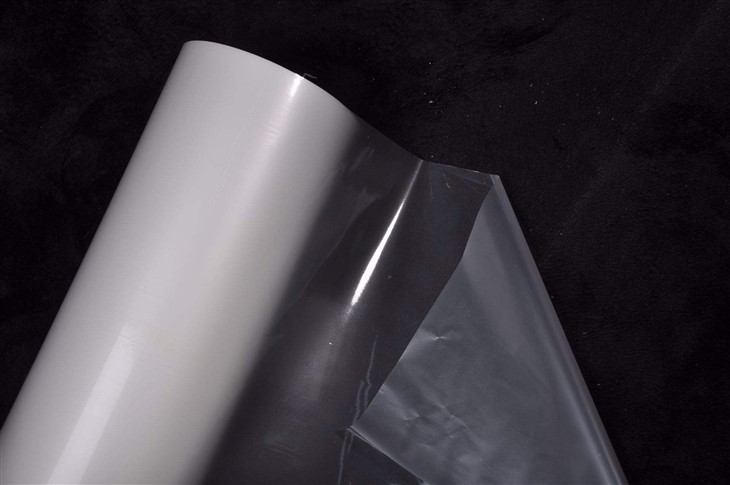

One of the main reasons is that it allows the film to maintain its integrity and performance in harsh environments. For example, if you're using the film to protect a surface from chemicals or solvents, you need to make sure it won't break down or lose its protective properties. Otherwise, the surface could be damaged, and the film won't be able to do its job.
Another reason is that solvent resistance can extend the lifespan of the film. If the film is constantly exposed to solvents that it can't resist, it will start to degrade over time, which will reduce its effectiveness and durability. By choosing a film with good solvent resistance, you can ensure that it will last longer and provide better value for your money.
In addition to its solvent resistance, PU Nylon Film has many other great properties that make it a popular choice for a wide range of applications. It's strong, flexible, and has good tear resistance, which makes it ideal for use in packaging, laminating, and protective coatings. It's also transparent, which allows you to see the contents of the package or the surface being protected.
If you're interested in learning more about PU Nylon Film and its applications, you can check out our website Pu-Nylon-Film. We also have a range of PU Transparent FILM available, which is perfect for applications where transparency is important.
So, if you're in the market for a high-quality film with good solvent resistance, look no further than our PU Nylon Film. We're a trusted supplier with years of experience in the industry, and we're committed to providing our customers with the best products and services.
If you have any questions or would like to discuss your specific requirements, please don't hesitate to contact us. We'd be more than happy to help you find the right film for your application and guide you through the purchasing process.
References
- Polymer Science and Technology textbooks
- Industry reports on plastic films and their properties
- In - house testing data on PU Nylon Film solvent resistance