

In the realm of food packaging, PVC plastic film has emerged as a popular choice due to its versatility, clarity, and cost - effectiveness. As a dedicated PVC Plastic Film supplier, I understand the paramount importance of ensuring the safety of our products when they come into contact with food. This blog post aims to delve into the key aspects of guaranteeing the safety of PVC plastic film in food contact applications.
Understanding the Regulatory Landscape
The first step in ensuring the safety of PVC plastic film for food contact is to have a comprehensive understanding of the regulatory requirements. Different countries and regions have their own sets of regulations governing food contact materials. For instance, in the United States, the Food and Drug Administration (FDA) has strict guidelines regarding the substances that can be used in food contact plastics. These regulations specify the allowable levels of additives, monomers, and other potentially harmful substances.

In the European Union, the European Food Safety Authority (EFSA) plays a crucial role in setting safety standards. The EU's Framework Regulation (EC) No 1935/2004 lays down the general principles for food contact materials, including PVC plastic film. It requires that these materials must not transfer substances to food in quantities that could endanger human health, change the composition of the food, or deteriorate its organoleptic properties.
As a supplier, we are committed to complying with all relevant regulations. We conduct regular audits and tests to ensure that our PVC plastic film meets the strictest safety standards. This includes testing for the presence of heavy metals such as lead and cadmium, which are known to be toxic if ingested. We also test for the migration of plasticizers, which are additives used to make the PVC film more flexible.
Selecting High - Quality Raw Materials
The quality of the raw materials used in the production of PVC plastic film is a critical factor in ensuring its safety for food contact. We source our PVC resin from reputable suppliers who adhere to strict quality control measures. The PVC resin should be free from impurities and contaminants that could pose a risk to human health.
In addition to the PVC resin, the choice of additives is also crucial. Plasticizers are commonly used in PVC film to improve its flexibility and durability. However, some plasticizers, such as phthalates, have been associated with potential health risks. To address this concern, we use alternative plasticizers that have been proven to be safe for food contact applications.
For example, we use citrate - based plasticizers, which are known for their low toxicity and excellent compatibility with PVC. These plasticizers have been approved by regulatory authorities for use in food contact materials. By carefully selecting the raw materials and additives, we can minimize the risk of chemical migration from the PVC film to the food.
Implementing Stringent Manufacturing Processes
The manufacturing process of PVC plastic film also plays a significant role in ensuring its safety. We have implemented a series of strict quality control measures throughout the production process.
First, we maintain a clean and hygienic manufacturing environment. Our production facilities are regularly cleaned and disinfected to prevent the contamination of the PVC film. We also use advanced filtration systems to remove any dust or particles from the air in the production area.
During the extrusion process, we carefully control the temperature and pressure to ensure that the PVC film is produced with consistent quality. This helps to prevent the formation of defects or weak spots in the film, which could potentially lead to the migration of substances.
After the film is produced, it undergoes a series of post - production tests. These tests include physical and chemical analyses to ensure that the film meets the required specifications. We also conduct migration tests to determine the amount of substances that could potentially migrate from the film to the food under different conditions.
Product Testing and Certification
To provide our customers with the highest level of confidence in the safety of our PVC plastic film, we conduct extensive product testing. We work with independent third - party laboratories that are accredited by relevant regulatory authorities. These laboratories use state - of - the - art equipment and methods to test our products for a wide range of parameters.
In addition to the regular testing, we also obtain relevant certifications for our PVC plastic film. For example, we have obtained the FDA and EU food contact approvals, which demonstrate that our products meet the strict safety standards set by these regulatory bodies. These certifications are not only a mark of quality but also a guarantee of the safety of our PVC plastic film in food contact applications.
Applications of Safe PVC Plastic Film in Food Packaging
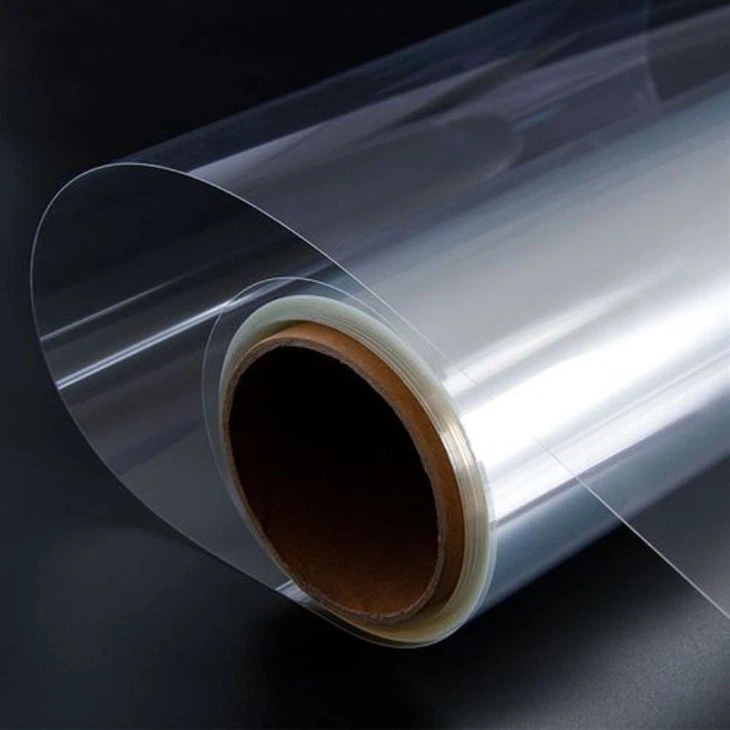
Our safe PVC plastic film has a wide range of applications in the food industry. One of the most common applications is in the packaging of fresh produce. The High Transparency PVC Film in Roll offers excellent clarity, which allows consumers to easily see the quality of the produce inside the package. It also provides a good barrier against moisture and oxygen, which helps to extend the shelf life of the produce.
Another application is in the packaging of processed foods. The Top - grad - printing - pvc - film - in - roll can be printed with high - quality graphics and labels, which not only enhances the visual appeal of the product but also provides important information to the consumers. The film's excellent heat - sealing properties ensure that the package remains sealed and protects the food from contamination.
Our PVC Clear Film is also widely used in the packaging of bakery products. It provides a clear view of the baked goods, while also protecting them from dust and dirt. The film's flexibility allows it to conform to the shape of the product, providing a snug fit.
Conclusion and Call to Action
Ensuring the safety of PVC plastic film in food contact applications is a multi - faceted process that requires a commitment to quality at every stage, from raw material selection to product testing and certification. As a PVC Plastic Film supplier, we are dedicated to providing our customers with safe and high - quality products that meet the strictest regulatory standards.
If you are in the food packaging industry and are looking for a reliable supplier of PVC plastic film, we would be delighted to hear from you. Our team of experts can provide you with detailed information about our products and how they can meet your specific needs. Whether you need a high - transparency film for fresh produce or a printable film for processed foods, we have the solution for you. Contact us today to start a discussion about your PVC plastic film requirements and explore the possibilities of a long - term partnership.
References
- Food and Drug Administration (FDA). Regulations on Food Contact Substances.
- European Food Safety Authority (EFSA). Scientific Opinions on Food Contact Materials.
- EU Framework Regulation (EC) No 1935/2004 on Food Contact Materials.