

Hey there! As a supplier of PU Nylon Film, I often get asked this question: "Is PU Nylon Film waterproof?" Well, let's dive right into it and find out.

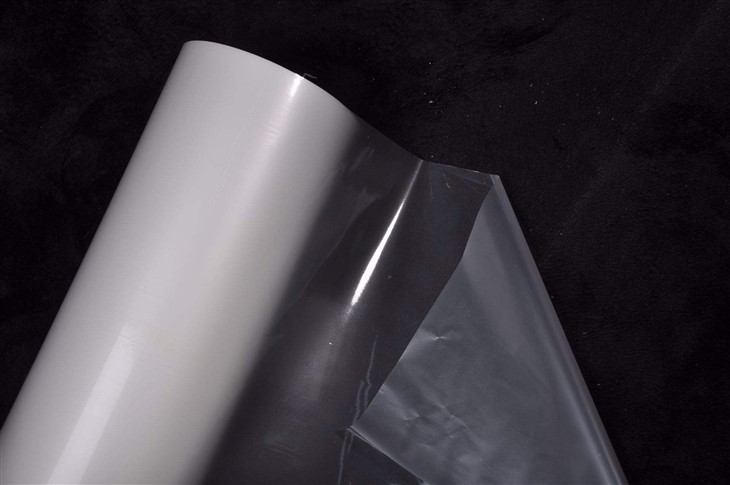
First off, let's understand what PU Nylon Film is. PU stands for Polyurethane, and it's combined with nylon to create this unique film. The Pu-Nylon-Film has a bunch of great properties that make it useful in various industries. It's strong, flexible, and has good abrasion resistance. But when it comes to waterproofing, how does it stack up?
The Science Behind Waterproofing
To figure out if PU Nylon Film is waterproof, we need to look at its structure and composition. Polyurethane is known for its ability to form a dense, continuous layer. This layer acts as a barrier that can prevent water molecules from passing through. The nylon component adds strength and durability to the film, which is important for maintaining the integrity of the waterproof barrier over time.
When water comes into contact with the surface of the PU Nylon Film, the polyurethane layer repels it. The molecules in the polyurethane are arranged in such a way that they don't allow water to penetrate easily. It's like having a shield that keeps the water out. However, it's important to note that the level of waterproofing can vary depending on the quality and thickness of the film.
Factors Affecting Waterproofing
- Thickness: Thicker PU Nylon Film generally provides better waterproofing. A thicker film has more material to form a barrier against water. If you're using the film in an application where it will be exposed to a lot of water or high-pressure conditions, a thicker film might be a better choice.
- Quality of the Polyurethane: Not all polyurethanes are created equal. High-quality polyurethane will have better waterproofing properties. It will be more resistant to water penetration and will last longer. When choosing a PU Nylon Film, make sure to go for a product that uses high-quality polyurethane.
- Seams and Edges: Even if the film itself is waterproof, the seams and edges can be weak points. Water can seep in through these areas if they're not properly sealed. That's why it's important to use proper sealing techniques when installing the film.
Real-World Applications
PU Nylon Film is used in many applications where waterproofing is crucial. Here are some examples:
- Outdoor Gear: It's commonly used in the manufacturing of tents, backpacks, and waterproof clothing. In these applications, the film needs to keep the user dry in all kinds of weather conditions. The PU Transparent FILM can also be used in some outdoor gear to provide a clear view while still keeping the water out.
- Industrial Applications: In industries such as agriculture and construction, PU Nylon Film is used to protect equipment and materials from water damage. It can be used as a cover for storage areas or to line tanks and ponds.
- Automotive Industry: The film can be used in the automotive industry to protect the interior of vehicles from water and moisture. It can be applied to seats, dashboards, and other parts to prevent water damage.
Testing the Waterproofing
To ensure that the PU Nylon Film you're using is waterproof, it's a good idea to conduct some tests. You can do a simple water test by placing a small piece of the film on a flat surface and pouring water on it. Observe how the water behaves. If the water beads up and doesn't penetrate the film, it's a good sign that the film is waterproof.
There are also more advanced testing methods available, such as using a water pressure tester. This can simulate real-world conditions and give you a more accurate assessment of the film's waterproofing capabilities.
Limitations
While PU Nylon Film is generally waterproof, it does have some limitations. If the film is damaged or punctured, water can easily penetrate through the holes. Also, over time, exposure to harsh chemicals, UV rays, and extreme temperatures can degrade the film and reduce its waterproofing properties.
Conclusion
So, is PU Nylon Film waterproof? The answer is yes, it can be. But the level of waterproofing depends on several factors, including the thickness, quality of the polyurethane, and how well the seams and edges are sealed. When used correctly and in the right applications, PU Nylon Film can provide excellent waterproofing protection.
If you're in the market for high-quality PU Nylon Film, I'd love to have a chat with you. Whether you're looking for a film for outdoor gear, industrial applications, or something else, we've got the right product for you. Just reach out, and we can start discussing your specific needs and how our PU Nylon Film can meet them. Let's work together to find the perfect solution for your waterproofing requirements.
References
- Textbook on Polymer Science and Technology
- Industry reports on Polyurethane Films
- Technical data sheets from leading PU Nylon Film manufacturers