

Yo, what's up everyone! I'm a supplier of PU Film, and today I wanna have a chat with you about the abrasion resistance of PU Film.
First off, let's get into what abrasion resistance actually means. In simple terms, it's how well a material can withstand the wear and tear that comes from rubbing, scraping, or friction. For PU Film, having good abrasion resistance is super important. It determines how long the film will last in different applications.
So, why does the abrasion resistance of PU Film matter? Well, think about all the places where PU Film is used. It's in shoes, bags, automotive interiors, and even some industrial equipment. In shoes, for example, the film is constantly being rubbed against the ground and other surfaces as you walk. If it doesn't have good abrasion resistance, it'll start to wear out quickly, and the shoes won't last long. The same goes for bags. When you're carrying your bag around, it gets bumped and rubbed against things. A PU Film with poor abrasion resistance will show signs of damage in no time.
Now, let's dig into what affects the abrasion resistance of PU Film. One of the main factors is the type of raw materials used. Different types of polyurethanes have different properties. Some are more flexible, while others are more rigid. Generally, a more rigid polyurethane can offer better abrasion resistance because it's less likely to deform under friction. But it also depends on the additives that are mixed in with the polyurethane. Additives can enhance the film's strength, flexibility, and of course, its abrasion resistance.
The manufacturing process also plays a huge role. The way the PU Film is made can affect its internal structure, which in turn impacts its abrasion resistance. For instance, if the film is not properly cured during the manufacturing process, it may not have a uniform structure. This can lead to weak spots in the film, making it more prone to abrasion.
Another important aspect is the surface treatment of the PU Film. Some manufacturers apply special coatings or finishes to the film to improve its abrasion resistance. These coatings can act as a protective layer, reducing the direct contact between the film and the abrasive surface.
Let's talk about some of the tests that are used to measure the abrasion resistance of PU Film. One common test is the Taber Abrasion Test. In this test, a sample of the PU Film is placed on a rotating platform, and a pair of abrasive wheels are applied to the surface of the film. The wheels rotate for a set number of cycles, and then the amount of material that has been worn away is measured. The less material that is worn away, the better the abrasion resistance of the film.
There's also the Martindale Abrasion Test. This test uses a different mechanism. The film sample is rubbed against a standard abrasive fabric in a circular motion. Similar to the Taber test, the amount of wear is measured after a certain number of cycles.
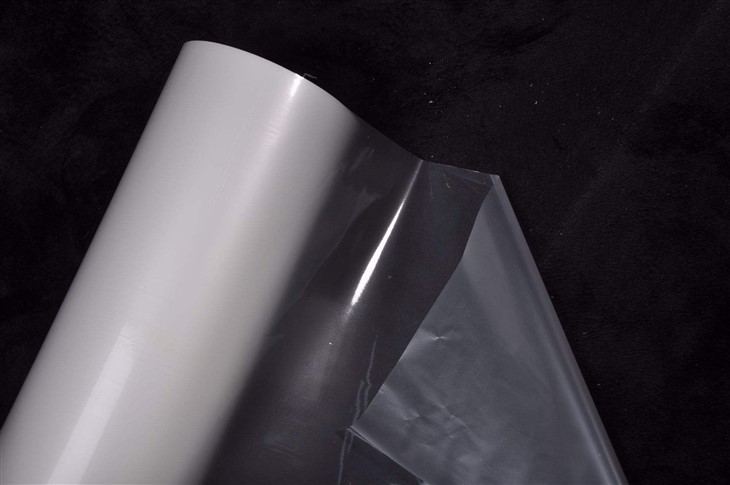
Now, as a PU Film supplier, I know that different customers have different requirements for abrasion resistance. That's why we offer a variety of PU Films with different levels of abrasion resistance. For example, we have the PU Transparent FILM. This film is not only transparent but also has good abrasion resistance, making it suitable for applications where you need both visibility and durability. It can be used in some display cases or protective covers.
We also have the Pu - Nylon - Film. This film combines the properties of polyurethane and nylon, resulting in a film with excellent abrasion resistance. It's often used in high - stress applications, like in the automotive industry for seat covers or in some heavy - duty bags.

If you're in the market for PU Film and you're concerned about abrasion resistance, don't hesitate to reach out to me. I can help you choose the right type of PU Film for your specific needs. Whether you're a small business looking for a cost - effective solution or a large corporation with strict quality requirements, we've got you covered.
When you're considering purchasing PU Film, it's important to not only look at the abrasion resistance but also other factors like flexibility, chemical resistance, and cost. Sometimes, you may need to make a trade - off between different properties. For example, a film with extremely high abrasion resistance may be more expensive or less flexible. But as a supplier, I can work with you to find the best balance for your application.
In conclusion, the abrasion resistance of PU Film is a crucial property that determines its performance and lifespan in various applications. Understanding what affects it and how to measure it can help you make an informed decision when purchasing PU Film. So, if you're interested in our PU Films, just get in touch with me. I'm here to assist you in finding the perfect film for your project.
References:
- "Polyurethane Handbook" by G. Oertel
- Various industry reports on PU Film manufacturing and testing.