

Sound insulation is a crucial factor in various applications, from construction to automotive and consumer products. As a leading PVC film supplier, we often receive inquiries about the sound insulation performance of PVC film. In this blog post, we will delve into the science behind the sound insulation properties of PVC film, explore its influencing factors, and discuss its practical applications.

Understanding Sound Insulation
Before we dive into the specifics of PVC film's sound insulation performance, it's essential to understand the basic principles of sound insulation. Sound is a mechanical wave that travels through a medium, such as air, water, or solids. When sound waves encounter a barrier, such as a wall or a film, part of the sound energy is reflected, part is absorbed, and part is transmitted through the barrier.
The effectiveness of a material's sound insulation is measured by its Sound Transmission Class (STC) rating. The STC rating is a single-number index that represents the ability of a material to reduce the transmission of airborne sound. A higher STC rating indicates better sound insulation performance.
Sound Insulation Performance of PVC Film
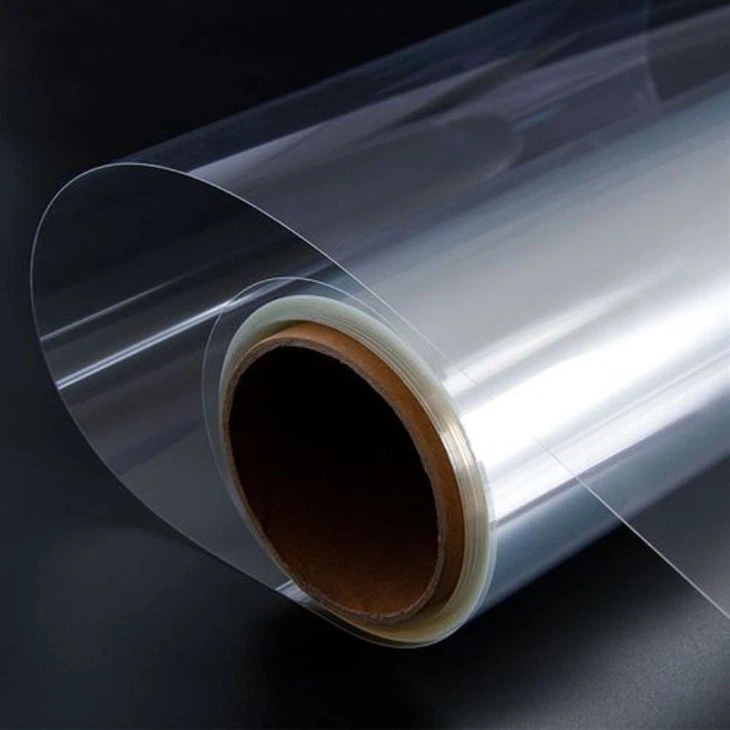
PVC (polyvinyl chloride) film is a versatile material that offers a range of properties, including flexibility, durability, and chemical resistance. When it comes to sound insulation, PVC film can provide a certain level of sound reduction, but its performance depends on several factors.
Thickness
One of the most significant factors affecting the sound insulation performance of PVC film is its thickness. Generally, thicker PVC films have better sound insulation properties than thinner ones. This is because a thicker film has more mass, which can absorb and reflect more sound energy. For example, a 1mm thick PVC film may have a lower STC rating compared to a 2mm thick PVC film.
Density
The density of the PVC film also plays a role in its sound insulation performance. Higher density PVC films tend to have better sound insulation properties because they can absorb and dissipate more sound energy. The density of PVC film can be adjusted during the manufacturing process by adding fillers or changing the formulation.
Structure
The structure of the PVC film can also impact its sound insulation performance. For instance, a multi-layered PVC film may offer better sound insulation than a single-layered film. The additional layers can create more interfaces for sound waves to interact with, increasing the absorption and reflection of sound energy.
Applications of PVC Film for Sound Insulation
PVC film's sound insulation properties make it suitable for a variety of applications. Here are some common examples:
Construction
In the construction industry, PVC film can be used as a soundproofing material in walls, ceilings, and floors. It can be installed between layers of drywall or other building materials to reduce the transmission of sound between rooms. For example, Matte PVC Film in Roll can be used in interior decoration projects where both sound insulation and an aesthetic finish are required.
Automotive
In the automotive industry, PVC film can be used to line the interior of vehicles to reduce road noise and engine noise. It can be applied to the doors, floors, and ceilings of cars, trucks, and buses. High Transparency PVC Film in Roll can be used in areas where visibility is also important, such as around windows.
Consumer Products
PVC film can also be used in consumer products to provide sound insulation. For example, it can be used in the manufacturing of speakers to reduce unwanted sound leakage. Top-grad-printing-pvc-film-in-roll can be used in the production of high-quality audio equipment where both sound insulation and printability are desired.
Comparing PVC Film with Other Sound Insulation Materials
When considering sound insulation materials, it's important to compare PVC film with other options available in the market. Here's a brief comparison with some common sound insulation materials:
Fiberglass
Fiberglass is a popular sound insulation material known for its high sound absorption properties. However, it can be difficult to install and may pose health risks if the fibers are inhaled. PVC film, on the other hand, is easy to handle and install, and it does not pose the same health risks as fiberglass.
Mineral Wool
Mineral wool is another commonly used sound insulation material. It has good sound insulation performance and is fire-resistant. However, it can be heavy and may require special handling. PVC film is lightweight and flexible, making it easier to work with in various applications.
Acoustic Foam
Acoustic foam is a lightweight and effective sound absorption material. It is often used in recording studios and home theaters. However, it may not be as durable as PVC film and may not be suitable for outdoor applications. PVC film can be more durable and can withstand different environmental conditions.
Tips for Maximizing the Sound Insulation Performance of PVC Film
If you're planning to use PVC film for sound insulation, here are some tips to maximize its performance:
- Choose the right thickness: Select a PVC film with an appropriate thickness based on your specific sound insulation requirements. Thicker films generally offer better sound insulation.
- Seal the edges: Make sure to seal the edges of the PVC film properly to prevent sound leakage. You can use tape or adhesive to seal the edges.
- Combine with other materials: For even better sound insulation, consider combining PVC film with other sound insulation materials, such as fiberglass or acoustic foam.
Conclusion
In conclusion, PVC film can provide a certain level of sound insulation, and its performance depends on factors such as thickness, density, and structure. It is a versatile material that can be used in a variety of applications, including construction, automotive, and consumer products. When compared to other sound insulation materials, PVC film offers advantages such as ease of installation, durability, and flexibility.
If you're interested in purchasing PVC film for sound insulation or other applications, we invite you to contact us for more information and to discuss your specific requirements. Our team of experts is ready to assist you in finding the right PVC film solution for your needs.
References
- ASTM International. (n.d.). Standard Classification for Rating Sound Insulation. Retrieved from [ASTM Website]
- Kreuger, J. (2010). Sound Insulation for Dummies. Wiley Publishing.
- White, J. L. (2015). Polymer Processing: Principles and Design. Hanser Publications.