

As a supplier of PVC Jacquard Film, I often encounter customers who are unsure about which type of adhesive is suitable for this specific material. PVC Jacquard Film is a unique product known for its high - quality, intricate patterns, and versatility. Selecting the right adhesive is crucial to ensure a strong, long - lasting bond and maintain the integrity of the film. In this blog, I will delve into the different types of adhesives and help you determine the most appropriate one for your PVC Jacquard Film applications.
Understanding PVC Jacquard Film
Before we discuss adhesives, let's briefly understand what PVC Jacquard Film is. PVC, or polyvinyl chloride, is a widely used plastic material known for its durability, flexibility, and resistance to various environmental factors. The Jacquard process adds a decorative touch by creating complex, detailed patterns on the film. This makes PVC Jacquard Film a popular choice for applications such as packaging, interior decoration, and signage.
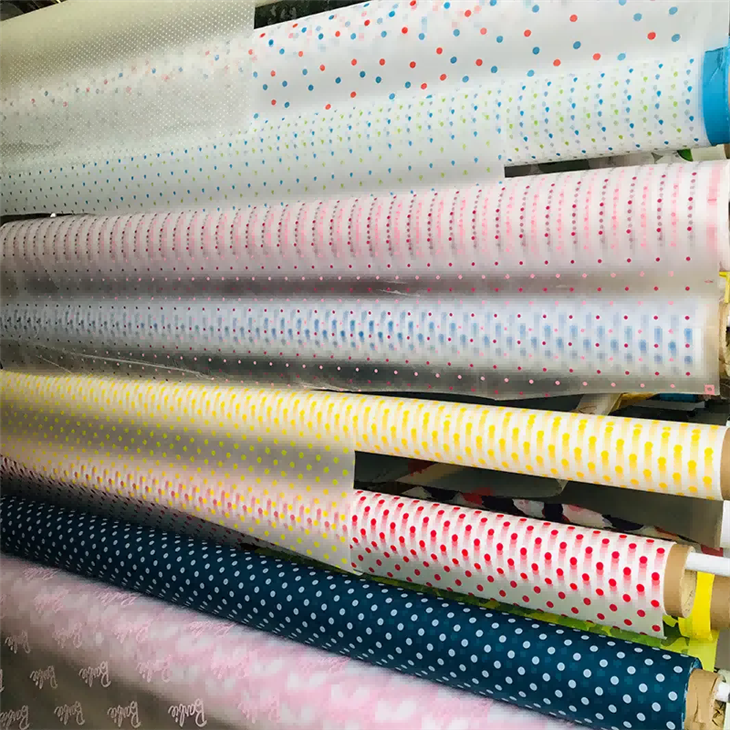
PVC Jacquard Film comes in different forms, including Top - grad - printing - pvc - film - in - roll, PVC Clear Film, and PVC Plastic Film. Each type has its own characteristics, and the choice of adhesive may vary depending on the specific application and the properties of the film.
Types of Adhesives for PVC Jacquard Film
1. Acrylic Adhesives
Acrylic adhesives are a popular choice for PVC Jacquard Film. They offer several advantages, such as excellent clarity, good adhesion to PVC surfaces, and resistance to weathering, UV radiation, and yellowing. These adhesives form a strong bond that can withstand various environmental conditions, making them suitable for both indoor and outdoor applications.
Acrylic adhesives are available in different forms, including solvent - based, water - based, and hot - melt. Solvent - based acrylic adhesives provide high - strength bonding and are often used in applications where a quick - drying and strong bond is required. However, they may emit volatile organic compounds (VOCs), which can be a concern in some environments.
Water - based acrylic adhesives are more environmentally friendly as they have lower VOC emissions. They are also easy to clean up with water, which is a significant advantage during the manufacturing process. These adhesives are suitable for applications where a more flexible bond is needed, such as in the packaging industry.
Hot - melt acrylic adhesives are solid at room temperature and are melted and applied in a molten state. They offer fast bonding and are often used in high - speed production processes. Hot - melt acrylic adhesives can provide a strong bond, but they may be less flexible than solvent - based or water - based acrylic adhesives.
2. Epoxy Adhesives
Epoxy adhesives are known for their high strength, chemical resistance, and durability. They are a good choice for applications where a very strong and permanent bond is required, such as in structural bonding or applications that require resistance to harsh chemicals.
Epoxy adhesives consist of two components: a resin and a hardener. When these two components are mixed together, a chemical reaction occurs, resulting in a hard, rigid bond. Epoxy adhesives can bond well to PVC Jacquard Film, but they may require careful surface preparation to ensure proper adhesion.
One drawback of epoxy adhesives is that they are relatively rigid and may not be suitable for applications where flexibility is required. Additionally, the curing time of epoxy adhesives can be relatively long, which may affect the production speed in some cases.
3. Polyurethane Adhesives
Polyurethane adhesives offer a good balance between strength and flexibility. They can bond well to PVC Jacquard Film and provide excellent resistance to abrasion, impact, and moisture. Polyurethane adhesives are available in both one - component and two - component systems.
One - component polyurethane adhesives are easy to use as they do not require mixing. They cure by reacting with moisture in the air, which makes them suitable for on - site applications. Two - component polyurethane adhesives offer higher strength and can be tailored to specific application requirements by adjusting the ratio of the two components.
Polyurethane adhesives are often used in applications such as automotive interiors, where a combination of strength, flexibility, and durability is needed. However, they may be more expensive than some other types of adhesives.
4. Pressure - Sensitive Adhesives (PSAs)
Pressure - sensitive adhesives are adhesives that form a bond when pressure is applied to the adhesive surface. They are widely used in the packaging and labeling industries as they are easy to apply and can provide a quick and temporary or permanent bond.
PSAs for PVC Jacquard Film are available in different formulations, including acrylic - based, rubber - based, and silicone - based. Acrylic - based PSAs offer good adhesion, clarity, and resistance to aging. Rubber - based PSAs are more flexible and can provide a strong bond on irregular surfaces. Silicone - based PSAs are known for their high - temperature resistance and are suitable for applications where the film may be exposed to high temperatures.
Factors to Consider When Choosing an Adhesive
1. Application Environment
The environment in which the PVC Jacquard Film will be used is an important factor to consider when choosing an adhesive. For outdoor applications, the adhesive should be resistant to UV radiation, weathering, and temperature fluctuations. Acrylic adhesives are often a good choice for outdoor applications due to their excellent weather resistance.

For indoor applications, factors such as VOC emissions and odor may be more important. Water - based adhesives are a better option in indoor environments as they have lower VOC emissions and are less likely to cause odor problems.
2. Bond Strength Requirements
The required bond strength depends on the specific application. For applications where the film will be subjected to high stress or heavy loads, such as in structural bonding, epoxy adhesives or high - strength acrylic adhesives may be more suitable. For applications where a less permanent or flexible bond is needed, such as in packaging or labeling, pressure - sensitive adhesives may be a better choice.
3. Surface Preparation
Proper surface preparation is essential for achieving good adhesion. The surface of the PVC Jacquard Film should be clean, dry, and free of contaminants such as dust, oil, and grease. Depending on the type of adhesive, additional surface treatment such as priming or corona treatment may be required to improve adhesion.
4. Compatibility with the Film
The adhesive should be compatible with the PVC Jacquard Film to ensure a strong and long - lasting bond. Some adhesives may react with the PVC material, causing discoloration, swelling, or loss of adhesion. It is important to test the adhesive on a small sample of the film before using it in a large - scale application.
Conclusion
Selecting the right adhesive for PVC Jacquard Film is crucial for achieving a successful application. Acrylic adhesives, epoxy adhesives, polyurethane adhesives, and pressure - sensitive adhesives all have their own advantages and disadvantages. The choice of adhesive depends on various factors, including the application environment, bond strength requirements, surface preparation, and compatibility with the film.
As a PVC Jacquard Film supplier, I am committed to providing high - quality products and technical support to help you choose the most suitable adhesive for your specific needs. If you have any questions or need further information about PVC Jacquard Film or adhesives, please feel free to contact us for procurement and negotiation. We look forward to working with you to achieve your project goals.
References
- "Handbook of Adhesive Technology", Second Edition, edited by Andrew Pizzi and K. L. Mittal.
- "Adhesives and Sealants Technology: Theory and Practice", by Robert A. White and John D. Petrie.
- Technical data sheets provided by adhesive manufacturers.